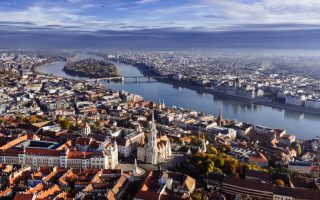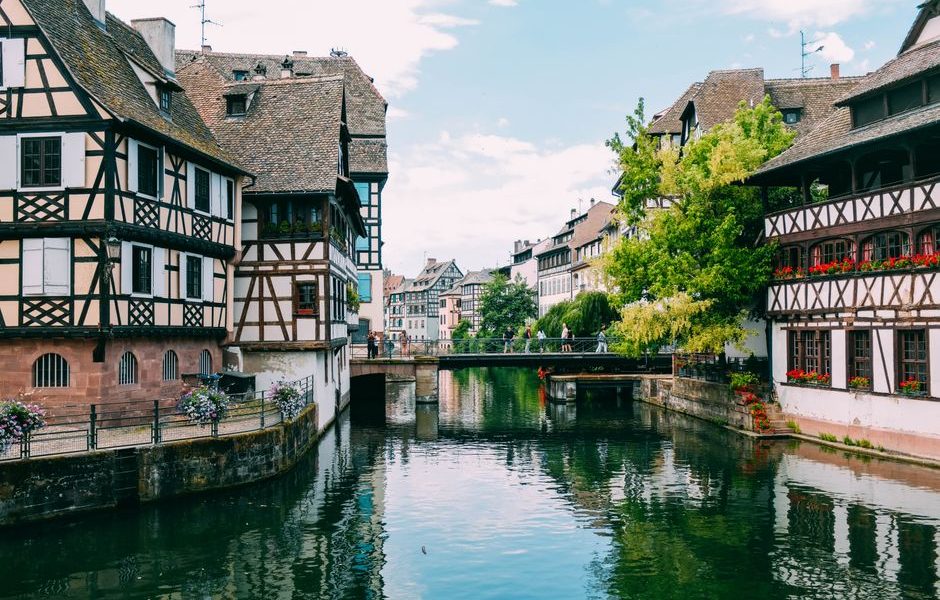
Most people think March is a dead zone for European travel. Too cold for beaches, too early for summer festivals, and that lingering winter chill makes everything seem gray.
That’s wrong. March is actually one of the smartest months to visit Europe. Flights cost 30-50% less than July. Hotels in central locations drop to off-peak rates. Major attractions have zero queues. And the weather? It’s better than you think — especially if you pick the right cities.
This guide covers 7 cities that deliver real value in March. I’ve ranked them by temperature, tourist density, and cost so you can match your priorities.
Why March Is Europe’s Best-Kept Secret for Travelers
The fundamental reason March works: supply and demand. Schools are in session. Offices are busy. Most people save their vacation days for summer. That means airlines and hotels drop prices to fill seats and rooms.
But the real advantage isn’t just cost. It’s experience quality. In July, you wait 2 hours to see the Colosseum. In March, you walk straight in. In August, the Spanish Steps are a wall of selfie sticks. In March, you can actually sit and read a book there.
The tradeoff is weather. You won’t sunbathe on the French Riviera in March. Average highs in Nice hit 15°C (59°F). But you also won’t sweat through your shirt or need to book everything weeks ahead.
Key numbers for March travel in Europe:
- Flight prices: 35-50% below July peak
- Hotel rates: 25-40% below August
- Crowd levels: 60-80% lower than June-August
- Average temperature range: 8°C to 18°C (46°F to 64°F) across southern cities
Bottom line: If your goal is seeing sights without fighting crowds, March is better than any summer month. If you want guaranteed beach weather, come back in June.
Top 7 Cities Ranked: Weather, Cost & Crowds
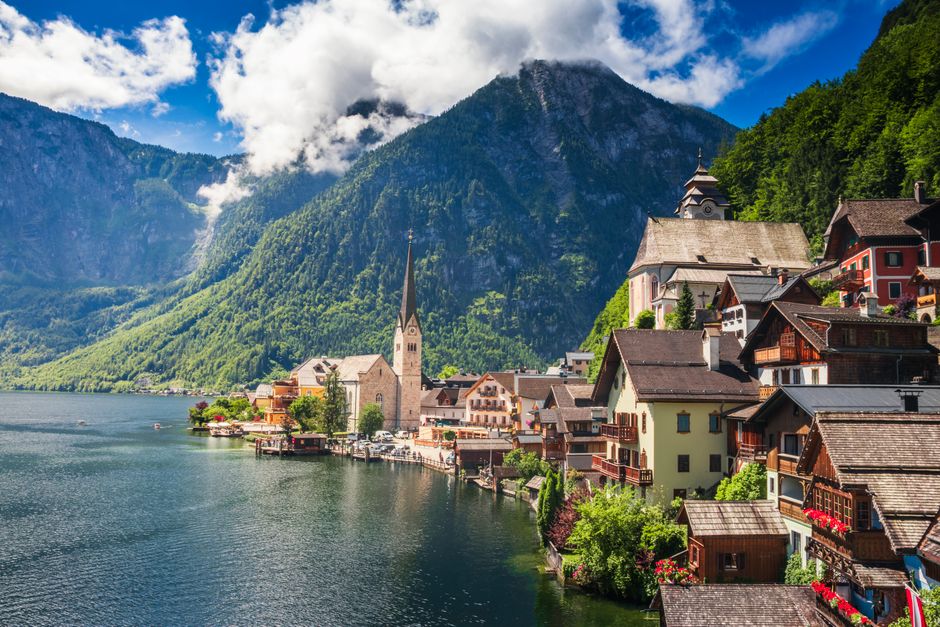
Here’s the structured comparison. These 7 cities consistently rank highest for March travel based on three factors: average daytime temperature, average hotel cost per night (3-star, central), and tourist density on a 1-10 scale (1 = empty, 10 = packed).
| City | Avg Temp (°C) | Avg Hotel ($USD) | Crowd Level | Best For |
|---|---|---|---|---|
| Lisbon | 17°C | $85 | 3/10 | Mild weather + low prices |
| Rome | 15°C | $95 | 4/10 | Sightseeing without queues |
| Barcelona | 16°C | $90 | 4/10 | Architecture + coastal walks |
| Amsterdam | 10°C | $100 | 5/10 | Museums + canals (quiet) |
| Prague | 9°C | $60 | 3/10 | Budget + beer halls |
| Vienna | 11°C | $80 | 3/10 | Culture + coffee houses |
| Paris | 12°C | $120 | 6/10 | Romance + museums (moderate crowds) |
Verdict: For the best balance of weather and budget, Lisbon is the clear winner. For cheapest overall trip, Prague wins by a wide margin. For sightseeing with minimal lines, Rome in March is a completely different experience from Rome in August.
Lisbon: The Goldilocks Choice for March
Lisbon hits the sweet spot. Average highs of 17°C mean you can walk around in a light jacket. Rain is possible but usually short — March averages 7 rainy days, compared to London’s 15.
The city’s hills and tiled facades look better in soft spring light than harsh summer sun. Key spots like Belém Tower and Jerónimos Monastery have almost no wait times in March. You can book a table at Time Out Market without queuing.
One specific tip: The Tram 28 route gets packed in summer. In March, you can actually get a seat and ride through Alfama without being crushed. Ride it early morning (before 9 AM) for the best experience.
Cost breakdown for a 5-day trip:
- Flight (from US East Coast): $450-600 round trip
- Hotel (3-star, central): $85/night
- Meals: $30-40/day (mid-range restaurants)
- Attractions: $50 total for main sights
- Total: ~$1,000-1,300 per person
Tradeoff: Lisbon has cooler evenings (around 11°C). Pack a mid-weight jacket and layers. Also, some beach restaurants in Cascais don’t fully open until April.
Rome in March: Zero Queue Sightseeing
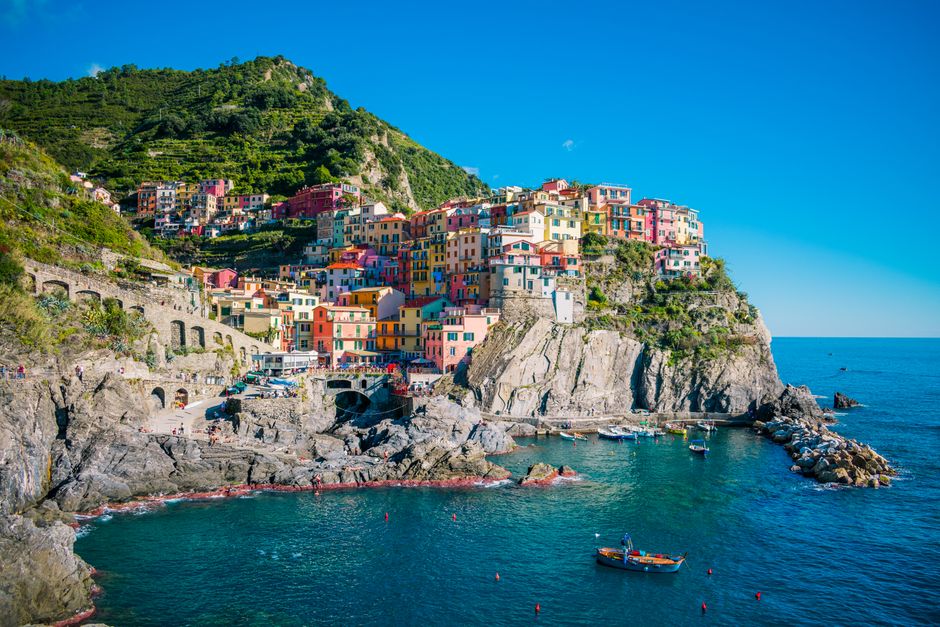
Rome in August is a nightmare. 35°C heat, 2-hour waits for the Colosseum, and fountains surrounded by sweating crowds. Rome in March is the opposite.
Average temperature sits at 15°C. You’ll want a jacket and maybe a scarf. But you can walk from the Colosseum to the Forum to Trastevere without breaking a sweat.
The real advantage is the Vatican. The Sistine Chapel in March has manageable crowds. You can stand and look at Michelangelo’s ceiling without being shoved forward. Book the early morning slot (7:30 AM) and you’ll have near-empty halls for the first 30 minutes.
What to skip: The Trevi Fountain is under renovation in some years. Check current status before going. Also, Roman beaches (Ostia) are too cold in March — stick to the city.
One mistake travelers make: They assume March means no rain. Rome gets about 8 rainy days in March. Bring a compact umbrella. The kind that fits in a jacket pocket. It makes the difference between a ruined afternoon and a pleasant walk through wet cobblestones.
Prague: The Budget Champion
Prague in March is cold. Average highs hit only 9°C. But the city is also stunningly cheap and almost empty.
Hotel prices are the lowest on this list. A decent 3-star near Old Town Square runs $60/night. A pint of Pilsner Urquell costs about $1.50. A full dinner with soup, main course, and beer runs $12-15.
What makes March special here: The absence of stag parties. Prague has a reputation for rowdy bachelor groups in summer. In March, the city belongs to actual travelers and locals. The Charles Bridge at sunrise is genuinely peaceful.
Dress for it: You need a warm coat, hat, and gloves. Thermal layers help. The payoff is seeing Prague Castle without thousands of other people in every photo.
Best indoor option: The Prague Beer Museum (actually a bar with 30+ local beers) is warm, cheap, and educational. Try a taster flight for about $8.
When NOT to go to Prague in March: If you hate cold weather and want to walk around in short sleeves, skip it. Pick Lisbon or Barcelona instead.
Vienna: Culture Without the Summer Price Tag

Vienna in March is for people who love museums, coffee houses, and classical music. The weather is cool (11°C average) but the indoor options are world-class.
The Kunsthistorisches Museum has almost no lines in March. The Albertina museum is similarly quiet. You can spend entire afternoons in the Naschmarkt without fighting through crowds.
The coffee house culture matters here. Vienna’s traditional cafés (Café Central, Café Sperl, Café Hawelka) are warm, atmospheric, and perfect for March afternoons. Order a Melange (Viennese coffee) and read a book for two hours. No one rushes you.
Cost reality: Vienna is not cheap. Hotels average $80/night for basic 3-star options. But that’s still 40% less than July rates. The key is booking early — March is getting more popular with savvy travelers.
One specific recommendation: The Vienna State Opera offers standing-room tickets for about $12. In summer, you queue for an hour. In March, you walk up 10 minutes before curtain and get a spot.
Common Mistakes Travelers Make in March
Three errors I see repeatedly:
1. Underestimating temperature swings. A city like Barcelona can hit 18°C at noon and drop to 8°C by evening. Pack layers, not just a single jacket. A thin sweater + a windproof shell is more versatile than one heavy coat.
2. Assuming all attractions are open. Some seasonal attractions (beach clubs, rooftop bars, open-air swimming pools) don’t open until April. Always check individual venue websites before building your itinerary.
3. Booking non-refundable hotels too early. March weather is unpredictable. A week of rain can make an outdoor-focused city like Barcelona less enjoyable. Book refundable rates when possible, or choose cities with strong indoor options (Vienna, Amsterdam, Paris).
When March is a bad idea: If you want guaranteed sun and swimming, skip Europe entirely in March. Go to the Canary Islands (Tenerife, Gran Canaria) or Morocco instead. Europe in March is for city explorers, not beach bums.
Verdict: Pick Your Priority
Here’s the compressed summary:
- Best weather + value: Lisbon. 17°C, low crowds, moderate prices.
- Cheapest trip: Prague. $60/night hotels, $1.50 beers, cold but empty.
- Best sightseeing: Rome. No queues, 15°C, incredible history.
- Best for culture lovers: Vienna. World-class museums, coffee houses, no crowds.
- Best for architecture: Barcelona. 16°C, Gaudí sites without the summer crush.
- Best for museums: Amsterdam. 10°C, Rijksmuseum and Van Gogh Museum with short lines.
- Best for romance: Paris. 12°C, fewer tourists, still expensive but worth it.
March is the smart traveler’s month. Pick a city from this list, pack layers, and enjoy Europe without the summer madness.