Is February a good time to hike Torres del Paine?
Yes—February is one of the best months for Torres del Paine if you want long daylight, open mountain routes, and the highest chance of completing a multi-day trek. It is also one of the busiest periods, so reserve your campsites and refugios before booking flights.
What weather should you expect?
February is southern summer, but Torres del Paine does not feel like a warm beach destination. Daytime temperatures often sit around 10–18°C, while nights can drop close to freezing at higher camps. Wind is the main issue. Gusts can arrive suddenly across open valleys, and rain can turn into sleet near the passes. A calm morning does not predict a calm afternoon.
Pack for four seasons in one day: a moisture-wicking base layer, fleece or light insulation, waterproof shell, waterproof trousers, gloves, and a warm hat. Wear boots with real grip because wet rock, mud, and exposed roots appear on almost every route.
How much daylight does February provide?
February gives you roughly 13–15 hours of usable daylight, depending on the date. That makes early starts practical without forcing every hiking day into darkness. Start around 7:00 or 8:00 a.m., especially for Base Torres, where the final climb is steep and slower than the distance suggests. My verdict: choose February for the strongest balance of access and daylight, but accept crowds and book the mountain camps first.
How do you plan the Torres del Paine W Trek?
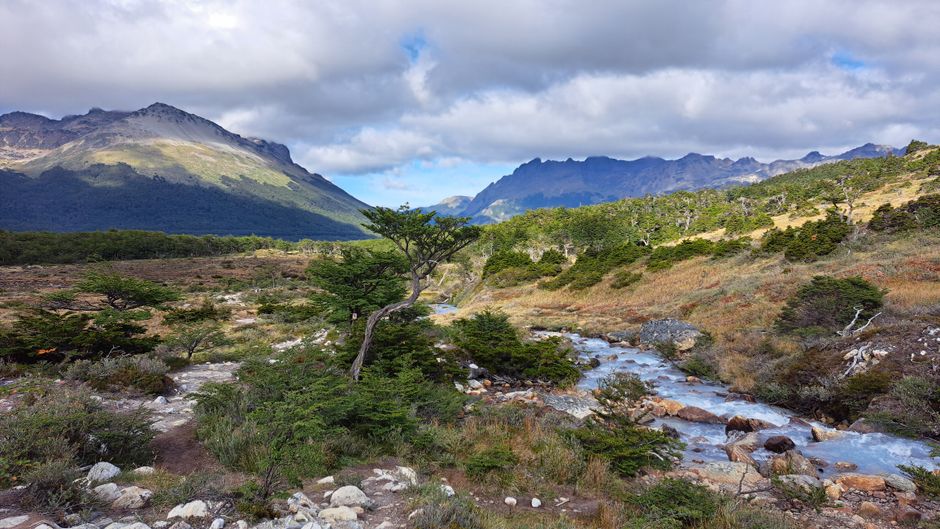
The W Trek works best as a five-day, four-night plan. Build the trip around confirmed mountain accommodation, then fit transport around those bookings. Do not arrive in Puerto Natales assuming you can find a bed inside the park during February.
Step 1: Reserve the route in the correct order
- Choose your direction. East to west starts with Base Torres and finishes near Paine Grande; west to east starts near Grey and finishes at the towers.
- Reserve every night at the official refugio or campsite operator before buying non-refundable transport.
- Buy the park entry pass at least 24 hours before entering. The official reservation guidance states that W Trek and Macizo Paine hikers need accommodation reservations inside the mountain area.
- Book the Puerto Natales bus, catamaran, or transfer only after the route nights are confirmed.
Step 2: Use realistic daily distances
A typical five-day W Trek covers about 70–80 kilometers, depending on side trips and transport connections. The French Valley and Base Torres days feel harder than their raw distance because of steep climbs, loose rock, and wind exposure. Keep one spare night in Puerto Natales before your flight. That buffer protects the trip if a ferry, road, or mountain trail closes.
The best plan is the one with confirmed beds, short transport connections, and enough time to stop when weather changes.
Which Torres del Paine route fits your trip?
The W Trek is the clear choice for a first multi-day visit with limited time. The O Circuit offers more solitude but needs more days, stronger logistics, and greater tolerance for weather delays. Base Torres works for travellers who want the park’s signature viewpoint without carrying a pack between camps.
| Route | Typical time | Main effort | Best for |
|---|---|---|---|
| Base Torres day hike | 7–10 hours | Steep final ascent, about 18–22 km round trip | One full day in the park |
| W Trek | 4–6 days | Long valley hikes and several steep side trips | First-time trekkers with limited time |
| O Circuit | 7–10 days | Longer distances, Paso John Gardner, remote camps | Experienced hikers seeking a full circuit |
| Scenic road and boat day | 1 day | Little hiking, weather-dependent viewpoints | Visitors who cannot complete a trek |
Pick the W Trek for a first visit
The W gives you the park’s three famous zones: the granite towers, the French Valley, and Grey Glacier. You can carry less because refugios and campsites sit along the route, though food and bedding rules vary by operator.
Choose the O Circuit only with extra time
The O Circuit is not simply a longer W. It adds a remote northern section, fewer services, and a pass that can close in poor weather. In February, choose it only if you can spare at least one weather buffer day. For most visitors, the W delivers the better first-trip result.
What should you pack for February hiking?
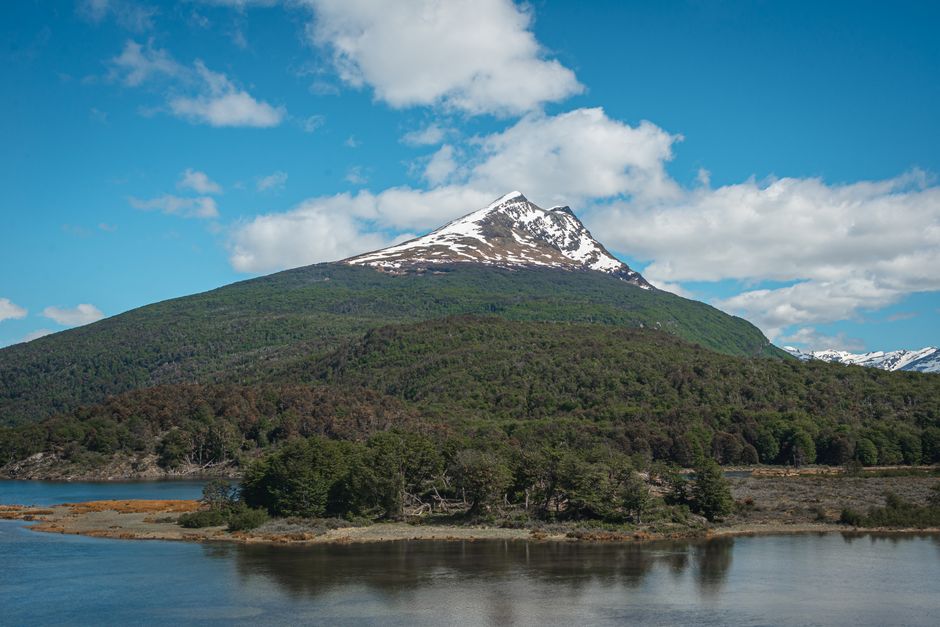
Pack for wind management, not warm-weather comfort. The biggest packing mistake is bringing one thick jacket instead of several layers. A flexible system dries faster, handles temperature swings, and lets you remove insulation during climbs without soaking your shirt.
Clothing and shelter that earn their weight
Use a synthetic or merino base layer, a fleece mid-layer, a waterproof shell rated for sustained rain, and waterproof over-trousers. Bring two pairs of hiking socks, not five bulky pairs. Your sleeping bag should match expected nighttime temperatures at your highest camp, not the average temperature in Puerto Natales.
Both are common choices, but neither replaces campsite reservations.
Navigation, water, and emergency gear
Download offline maps before entering the park because interior trails often have no reliable phone or internet signal. Do not treat it as a substitute for telling someone your route.
The winning setup is simple: waterproof layers, reliable footwear, navigation, and enough food to handle one delayed day.
How much time and money should you allow?
How many days should the whole trip take?
Allow seven to nine days for a comfortable first trip: one day to reach Puerto Natales, one day for park logistics, four or five hiking days, one weather buffer, and one departure day. A five-day trek squeezed between flights looks efficient on paper but leaves no protection against delayed buses, high winds, or a closed trail.
What costs should you budget?
Your main costs are park entry, transport from Puerto Natales, mountain accommodation, food, equipment rental, and optional boat transfers.
Food costs rise inside the park. Bringing meals from Puerto Natales lowers the bill, but every extra kilogram affects your knees on steep climbs. A sensible compromise is to carry breakfast, trail food, and emergency snacks while buying only what the route makes difficult to transport. Keep Chilean pesos for small purchases, but do not assume every mountain facility accepts cards or has a working signal.
What mistakes ruin a February Torres del Paine trek?
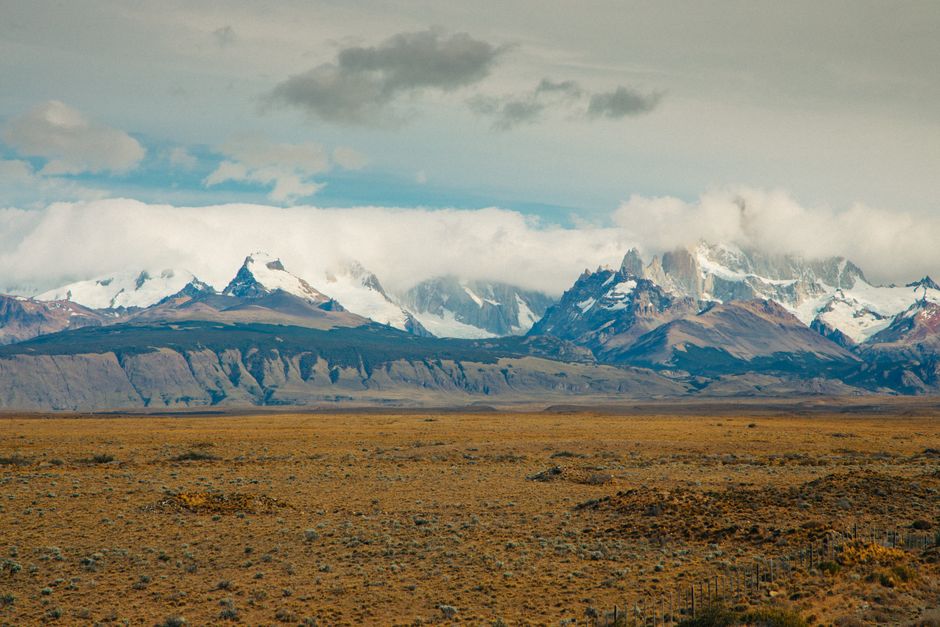
Do not treat February as guaranteed sunshine. The safest itinerary leaves room for wind, rain, and a slow hiking day.
Five failures to prevent
- Booking flights before securing every campsite and refugio.
- Planning the final bus or catamaran connection with no delay buffer.
- Carrying cotton clothing that stays wet for hours.
- Starting Base Torres late and rushing the descent before weather worsens.
- Leaving the marked trail, camping outside authorized sites, or lighting a stove where regulations prohibit it.
When should you skip the multi-day trek?
Choose a scenic road trip, a guided day hike, or a single Base Torres day instead if you dislike exposed wind, cannot carry a pack for six to eight hours, or have no flexibility for a weather delay. The park still rewards a shorter visit. A clear view from the road or a carefully planned day hike is better than forcing a full circuit after your energy and weather window have both disappeared.
If your February plan begins with a backpack in Puerto Natales and a forecast that changes every few hours, use the practical answer: reserve the W Trek early, pack for rain and wind, start before the crowds, and keep one spare day. That turns Patagonia’s uncertainty from a trip-ending problem into part of a manageable plan.