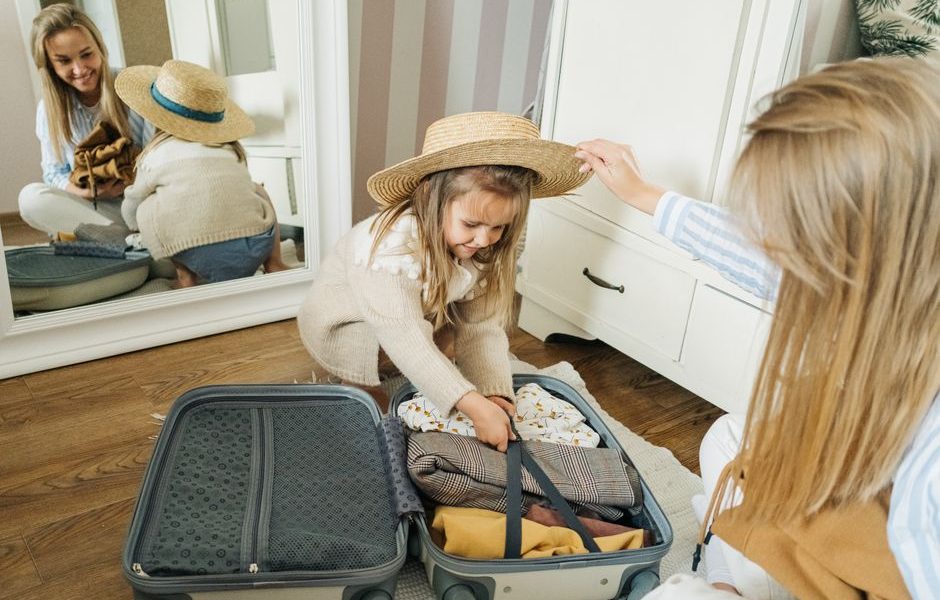
A typical 20-inch carry-on holds roughly 35 to 40 liters, yet many travelers fill it with clothes for three different climates. June creates that problem because the forecast may show heat, rain, cool evenings, and strong air conditioning in the same week. The answer is not packing less at random. It is building a list around repeatable rules.
No state laws are discussed here because this is travel planning, not legal guidance. This is not legal advice — consult a licensed attorney.
Why June packing lists get bloated
June has two real weather problems
June packing fails when travelers treat every possible condition as a separate outfit. A warm destination may still bring 60-degree evenings, sudden rain, chilly trains, or cold hotel rooms. A city trip can also involve more walking than expected, which makes footwear and fabric choice more important than an extra shirt.
The first principle is simple: pack for the weather you are likely to experience, then add one controlled backup for a weather change. Do not pack for every imaginable event. If the forecast shows daytime temperatures from 72 to 84 degrees Fahrenheit and a 30 percent rain chance, that usually calls for breathable clothing, one light layer, and compact rain protection. It does not call for a coat, a fleece, two sweaters, and three pairs of shoes.
Build around activities, not days
A seven-day trip does not require seven unique outfits. Most June itineraries repeat the same movement patterns: walking, casual meals, sightseeing, transit, and one slightly dressier occasion. A single pair of clean trousers can cover dinner and travel. A lightweight overshirt can cover a plane, a restaurant, and a cool morning. The goal is a small set of pieces that work in several combinations.
Start with the largest predictable activity. If the trip includes four days of walking, select shoes and socks first. If it includes beach time, select swimwear and a quick-drying layer first. Clothing comes after the activity map.
Use five rules to stop overpacking
Rule one: set a weather floor
- Check the daytime high, nighttime low, rain probability, and wind for each destination.
- Pack one layer for the lowest likely evening temperature, not the coldest record ever measured.
- Use a compact umbrella or shell only when the forecast or itinerary makes rain exposure plausible.
- Plan to wash small items after three or four wears instead of carrying a full week of duplicates.
- Choose two shoes at most unless the itinerary includes a formal event, hiking, or specialized sport.
Rule two: assign every item two jobs
Before an item enters the bag, name its second use. A button-up shirt can work for dinner and sun coverage. Athletic shorts can work for exercise and sleep. A thin scarf can provide warmth on a train and cover shoulders at a religious site. Items with only one narrow purpose need a strong reason to come along.
The verdict on the just-in-case pile
Keep one backup category, not one backup item for every fear. For most June city trips, the best backup is a light layer or rain shell. A second heavy layer, extra formal outfit, and spare pair of “maybe” shoes usually add weight without solving a likely problem.
How many clothes belong in a seven-day June bag?
The seven-day carry-on formula
For a normal city or resort trip with access to laundry, the strongest starting point is five tops, three bottoms, one light layer, two pairs of shoes, seven pairs of underwear, and seven pairs of socks. Reduce the total if laundry is easy. Increase it only when the itinerary creates a real need, such as remote travel or formal events.
| Item | Base quantity | Reason |
|---|---|---|
| Breathable tops | 5 | Enough rotation for seven days with one wash |
| Bottoms | 3 | Two casual options plus one cleaner or lighter option |
| Light layer | 1 | For evenings, transit, and strong air conditioning |
| Shoes | 2 pairs | One walking pair and one alternate pair |
| Swimwear | 1 or 2 | Two only when daily swimming is central to the trip |
| Sleepwear | 1 set | Wash or air out as needed |
When the formula should change
Add one top for a formal dinner, one pair of trousers for a dress code, or one technical layer for a mountain destination. Do not add clothing simply because the trip lasts seven days. Duration affects laundry planning more than it affects the number of unique outfits.
The clear packing decision
For a seven-day June city trip, five tops and three bottoms are the best default. This ratio gives variety without asking the suitcase to carry a separate solution for every day.
The best June fabrics and organizers earn their space
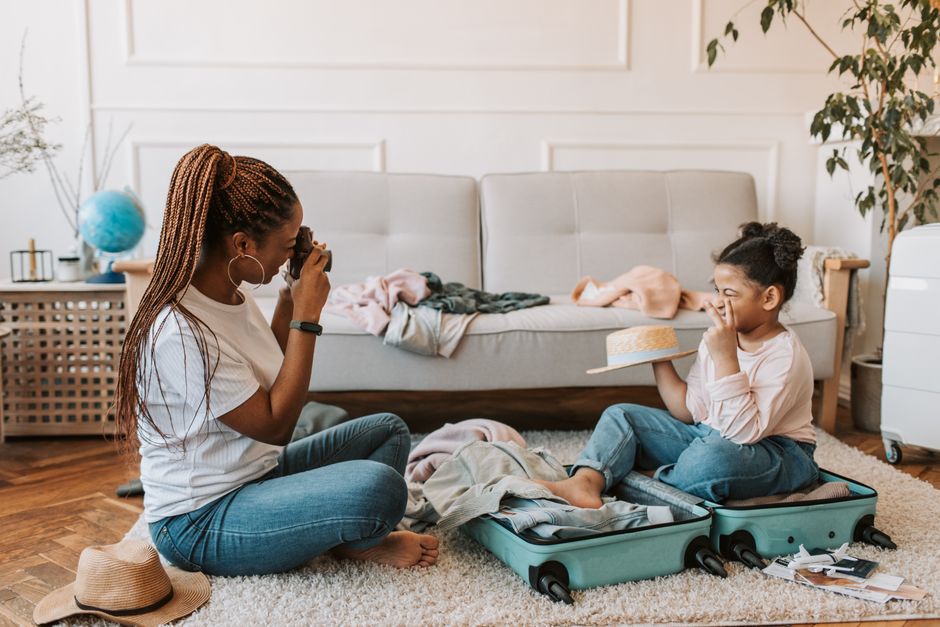
My strongest pick is a breathable synthetic or merino-blend capsule with one soft layer. Cotton feels comfortable at first, but it can stay damp after sweat or rain. Linen dries faster and feels cool, but it wrinkles easily. Synthetic shirts often dry fastest, while merino resists odor well but costs more.
Clothing picks with a clear purpose
Organizers that solve specific problems
Neither item creates more luggage capacity. They earn their place only if separation or moisture control prevents a real problem.
What not to buy
Do not buy compression cubes to justify packing more clothes. Compression reduces volume, not weight, and a dense cube can make a carry-on exceed airline limits. If your bag is already heavy, remove two garments before buying another organizer. For most travelers, one medium cube and a simple laundry bag are enough.
Common packing mistakes and the gear that fixes them
Mistake: packing for the coldest possible day
This creates the classic June pile: a thick sweater, a coat, and extra trousers that never leave the bag. Check the forecast three days before departure and choose the lowest likely temperature. If the risk is a cool plane or train, wear the layer during transit instead of packing it.
Mistake: bringing fabrics that cannot recover overnight
A heavy cotton hoodie may feel comfortable but can take a full day to dry after washing. A lightweight polyester shirt or merino blend usually gives you a better hand-wash option. Test the fabric at home: wash it, roll it in a towel, hang it overnight, and check whether it is ready by morning.
Mistake: buying gear before solving the list
A new toiletry case, shoe bag, or compression cube can make a full suitcase look organized while preserving the original excess. Use a floor layout first. Remove every item with no second use. Then buy only the tool that solves the remaining issue.
The hard line
Leave home any item that needs a special event, special weather, and special care to become useful. The exception is safety equipment, medication, required documents, and gear tied to a confirmed activity. Those items have a defined job. A third “maybe” shirt does not.
The final June packing ruling
Use a compact decision record
Before closing the bag, write four facts: the lowest likely temperature, the wet-weather plan, the longest walking day, and the laundry point. Those facts control the layer, rain protection, shoes, and clothing quantity. Everything else should pass the two-job test.
Keep the final list visible
- Five breathable tops.
- Three bottoms.
- One light layer.
- Two pairs of shoes at most.
- Seven underwear and sock pairs, reduced when laundry is available.
- One compact rain solution when the forecast supports it.
- Only the toiletries, medication, documents, and activity gear with a defined purpose.
Return to the carry-on
That 35-to-40-liter carry-on can handle a June week when the list follows the itinerary instead of every possible fear. The traveler who once packed for heat, rain, cold, formal dinners, and imaginary emergencies can close the bag with room left over. The resolution is not a trick or a promise of perfect weather. It is a documented decision: pack for the likely conditions, prepare for one credible change, and leave the rest at home.