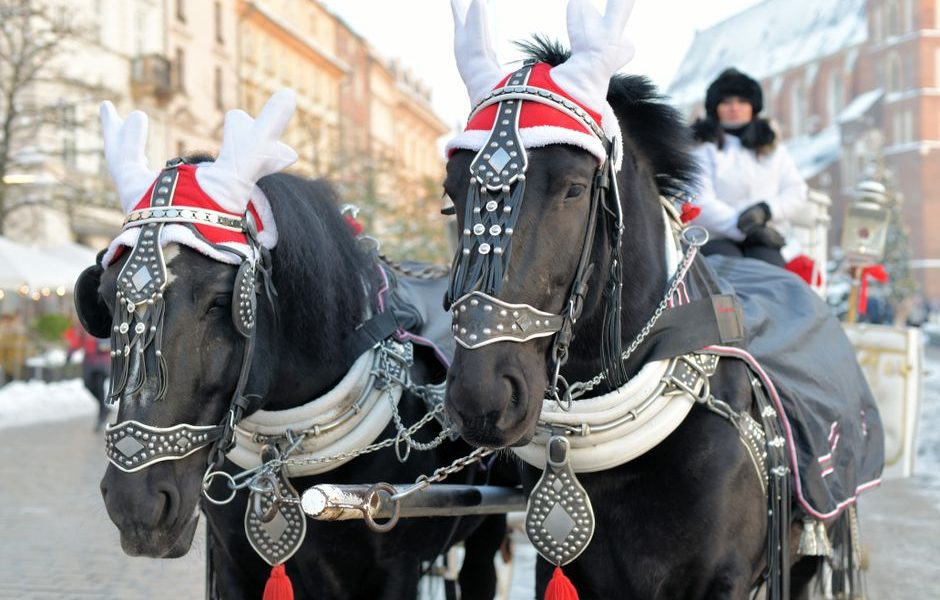
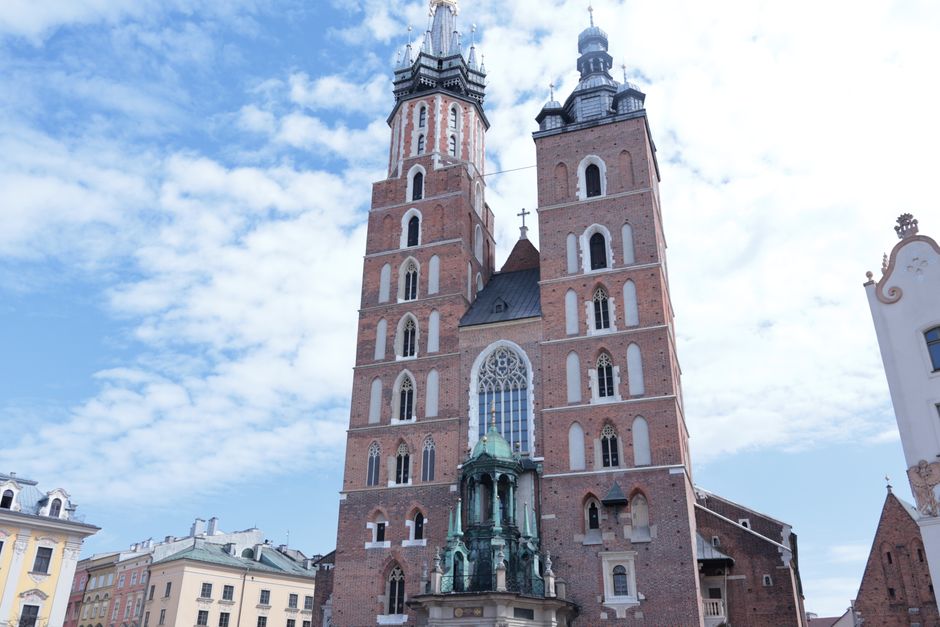
You arrive in Kraków after dark, your shoes are damp, and the wind across Rynek Główny feels colder than the forecast promised. Five minutes later, the towers of St Mary’s Basilica appear above the Christmas lights, and someone nearby is carrying a paper cup of hot grzaniec. That is Kraków in winter: cold, atmospheric, walkable and much better when you plan your indoor stops instead of trying to sightsee outside all day.
I prefer Kraków from late November through February for one simple reason. The Old Town feels more local once the summer crowds thin out, while the city’s best winter food makes sense in freezing weather. You can see the Main Market Square, Wawel Hill and Kazimierz in two full days, but only if you group them by area and leave time for soup, coffee and dry socks.
What is the best winter route through Kraków?
The best route starts in the Old Town, moves south to Wawel, then crosses the river only after you have warmed up. Do not begin with a long walk to Kazimierz at 8 a.m. in January. The streets may look beautiful, but the light is weak, many places are closed and you will spend your first hour searching for an open café.
A practical two-day plan
| Time | Winter plan | Why it works |
|---|---|---|
| Day 1, 9:30 | Barbican, St Florian’s Gate and Floriańska Street | Start outside while the pavements are less busy |
| Day 1, 11:00 | Rynek Główny, Cloth Hall and St Mary’s Basilica | Keep the Main Square together before lunch |
| Day 1, 13:00 | Warm Polish lunch near the centre | Use lunch as your first long indoor break |
| Day 1, 14:30 | Rynek Underground Museum | A reliable indoor activity in bad weather; adult tickets are listed at 45 PLN |
| Day 2, 9:00 | Wawel Hill and the castle exhibitions | Go early because timed tickets and winter daylight limit flexibility |
| Day 2, 13:00 | Kanonicza Street, Planty and a café | A short historic walk with several escape points indoors |
| Day 2, 16:00 | Kazimierz, Plac Nowy and an early dinner | Explore the district after the main sights, not before them |
How long should each walk take?
Allow 25 minutes from the central railway station to Rynek Główny, around 10 minutes from the square to Wawel Hill, and roughly 20 minutes from Wawel to Plac Nowy in Kazimierz. Those are dry-weather times. In snow, ice or heavy rain, add ten minutes and use a tram or taxi for the longer connection. The point of a winter itinerary is not to prove that you can walk everywhere. It is to keep moving without becoming miserable.
For a first visit, my clear choice is two full days based between the railway station and the Old Town. That location lets you reach the main sights on foot and return to your room quickly when the temperature drops.
How should you explore Kraków’s Old Town in winter?
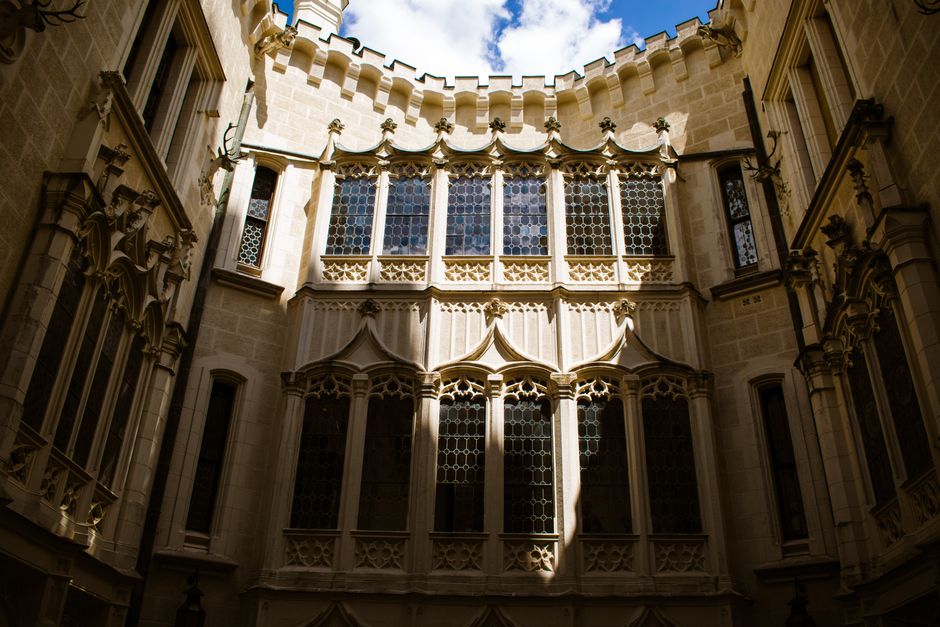
See the Old Town early, then go underground before the cold wins. Kraków’s historic centre is compact, but its most rewarding details sit outside: the defensive walls, the Planty park, the narrow streets around the square and the route down toward Wawel. Winter changes how you read the city. The low sun catches the brick of St Florian’s Gate, snow softens the Planty and the huge square feels spacious between tour groups.
Start at the northern edge
Begin at the Barbican and walk through St Florian’s Gate along Floriańska Street. This gives you a clear visual arrival at Rynek Główny instead of dropping straight into the busiest part of the centre. Look up at the façades, but keep your hands free and your phone inside a pocket. Slush collects beside the kerbs, and polished paving stones become slippery after sunset.
On the square, walk around the Cloth Hall before entering it. The outside arcade gives you a good view of the square, while the stalls inside are useful for browsing amber, woodwork and winter gifts. I would not buy the first souvenir you see. Prices rise around the square, and the same type of item may cost less on a side street.
Use indoor sights strategically
Rynek Underground is one of the smartest winter stops because it explains the medieval city below the modern square. The museum’s route uses archaeological remains, models and displays to show how trade, roads and daily life shaped Kraków. Allow at least 90 minutes. The last entry is well before closing, and Tuesday is commonly the free-admission day, but the museum’s schedule can change around holidays, so check the official calendar before you build the day around it.
St Mary’s Basilica gives you a shorter indoor break, but dress respectfully and check service times. The hourly trumpet call from the taller tower is a quick outdoor moment, not a full attraction that needs a long queue. If snow is falling, walk one circuit of the square, step into a café and save your energy for Wawel.
When should you visit Kazimierz?
Go to Kazimierz in the late afternoon. The old Jewish quarter is more atmospheric when the lights come on, and the restaurants are ready for dinner. See Szeroka Street, the synagogues from the outside and Plac Nowy, but do not treat every bar as a museum of local life. Kazimierz has become a busy nightlife district, and some venues serve a more international menu than a Polish one. For a quieter walk, use the streets near the Old Synagogue before the evening crowds arrive.
Which Polish foods are best for warming up in Kraków?
Order soup first, then choose one substantial Polish dish. That is my strongest food rule in Kraków during winter. A bowl of żurek or barszcz gives you warmth quickly, while pierogi, gołąbki or maczanka make a better main course than trying to sample five heavy dishes at once.
Start with the soups
Żurek is a sour rye soup often served with sausage, potato and egg. It has a sharp, fermented flavour and feels built for a cold evening. Recent Kraków menus list a 300 ml portion around 29 PLN, with some casual restaurants charging less. Barszcz czerwony is lighter and more beet-forward; order it with a mushroom pastry if you want a small meal rather than a heavy one. A clear rosół is the safer choice for children or anyone who dislikes sour flavours.
Choose the right main dish
Pierogi are not all the same. Ruskie pierogi contain potato and twaróg cheese, meat pierogi are richer, and cabbage-and-mushroom pierogi work especially well in winter. Eight pieces often cost around 34 to 39 PLN in casual restaurants, while a more formal restaurant may charge 50 PLN or more for five larger dumplings. My choice is a mixed plate only when the restaurant makes each filling separately; otherwise, order one traditional filling and judge the kitchen by that.
Maczanka po krakowsku is Kraków’s own slow-cooked pork sandwich tradition, usually served with gravy, onions, pickles and mustard. It is heavier than pierogi and better after a long day outside. Gołąbki, potato pancakes and bigos are also worth trying, but do not assume every market stall represents the best version of the dish.
Where should you eat?
For named, practical options, Stara Zajezdnia Kraków lists żurek at 29 PLN, duck pierogi at 49 PLN and maczanka at 54 PLN on its current menu. TuŻurek lists sour rye soup with smoked meat, mushrooms and egg at 28 PLN, while its Kraków-style maczanka is listed at 47 PLN. Smakołyki is a useful casual choice near the centre, with pierogi listed around 36 to 39 PLN. These prices show the real spread: a simple meal can stay under 50 PLN, while a central restaurant with larger portions can push a main course above that.
For a Christmas-market visit, try grilled oscypek with cranberry, a hot drink and one savoury snack, but treat the stalls as an experience rather than a bargain. The market is convenient and atmospheric; a neighbourhood restaurant usually gives you better value and a calmer meal.
Is Kraków worth visiting in winter?
The short verdict
Yes: Kraków is one of the best European city breaks for winter if you want history, compact sightseeing and serious comfort food rather than outdoor adventure. The Old Town and Wawel are close enough to explore without daily transport, Rynek Underground gives you a dependable escape from bad weather, and dishes such as żurek, pierogi and maczanka make the cold feel useful.
The plan I would use
Stay near the Old Town, spend the first morning on the Barbican and Main Market Square, visit an underground museum after lunch, then reserve the next morning for Wawel. Finish the second day in Kazimierz with soup and one substantial main course. Bring waterproof shoes, gloves and enough flexibility to change the order of the day. For a first visit, that combination is the clear winner: two full days, one major indoor sight each day, Wawel before lunch, and Polish food chosen by dish rather than by the most photographed restaurant. Kraków in winter is at its best when the itinerary leaves room for the weather.