Wondering if Namibia is still worth visiting when rain turns up in the forecast? Yes, but only if you understand what the green season changes. Sossusvlei becomes more dramatic after storms, Etosha becomes greener and harder for wildlife viewing, and dirt roads can turn a relaxed self-drive into a long recovery job.
Namibia’s green season usually runs from November to April, with the heaviest rain often arriving between December and March. The country does not turn into a wet jungle. Rain falls in short, intense storms, then the light changes, the grass responds and the desert can look completely different within hours.
Is Namibia’s green season worth the risk?
Yes, if you want landscapes, birds and fewer visitors more than guaranteed wildlife sightings. The green season is not a cheaper copy of the dry season. It is a different trip. You trade predictable waterhole viewing for storm light, fresh grass, migrant birds and the rare spectacle of water moving through places that usually look empty.
What rain changes in the Namib Desert
Sossusvlei does not fill every time rain falls. The drainage system is large, and a storm near the dunes may produce no visible pool at all. When the right rain reaches the upper Tsauchab River, though, the salt and clay pan can hold shallow water against the orange dunes. Dead Vlei may remain dry while Sossusvlei reflects the sky, so do not treat the two names as interchangeable.
Rain also brings short-lived plants, pale grass and small flowers around Sesriem. The dunes keep their shape, but the colour contrast becomes sharper. Red sand, green shrubs, dark storm clouds and white salt make better photographs than the usual cloudless blue sky.
What rain changes in Etosha
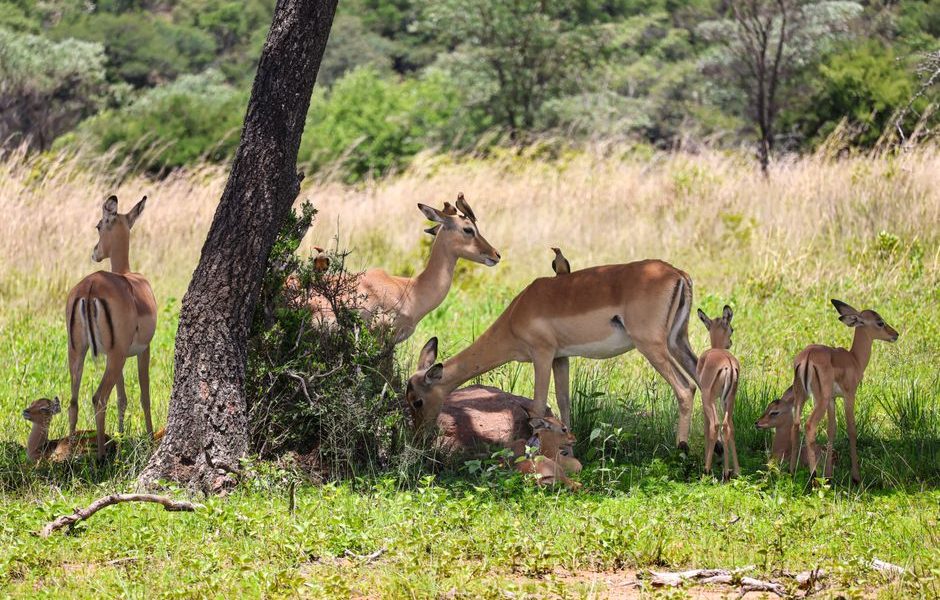
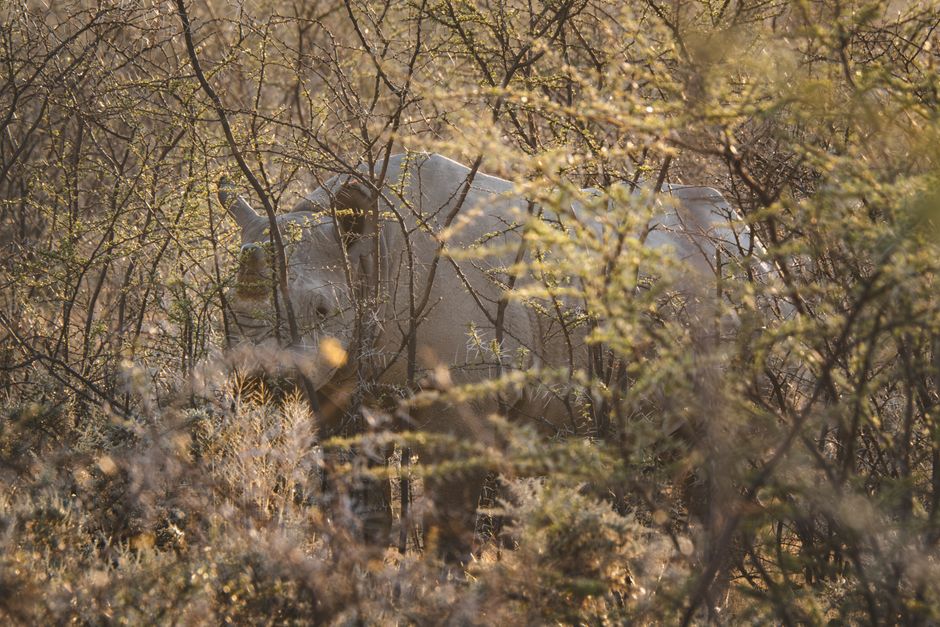
Etosha is the harder sell for first-time safari visitors during this period. Once temporary pools form, animals can spread away from the permanent waterholes. You may drive farther and see fewer large mammals. The reward is a greener park, more birds, young animals and dramatic weather over the pan. For a first Namibia trip built around lions and elephants, keep Etosha in the route but allow extra days. For a landscape-first trip, the green season is the stronger choice.
What changes between Sossusvlei and Etosha after rain?
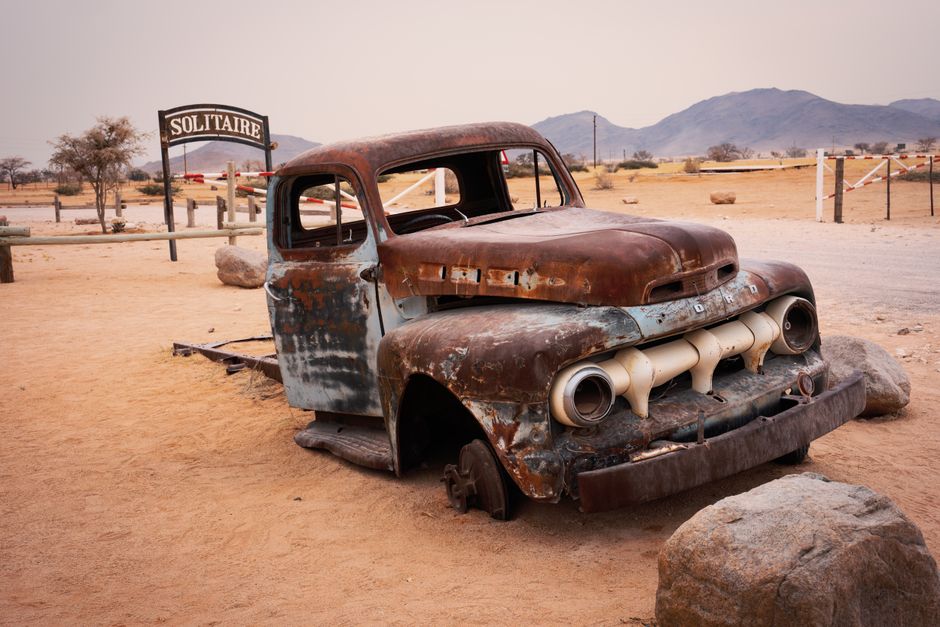
The same storm can improve one stop and complicate the next. Sossusvlei benefits visually from rain, while Etosha often becomes less predictable for game viewing. Build the itinerary around that difference instead of expecting one simple “best season.”
Green-season conditions by destination
| Destination | Best green-season reward | Main drawback | Practical response |
|---|---|---|---|
| Sossusvlei | Storm light, fresh grass and occasional water in the pan | Access roads can become slippery or temporarily closed | Stay near Sesriem and keep one flexible morning |
| Etosha National Park | Green scenery, migrant birds and newborn animals | Wildlife spreads across the park after rain | Stay at least three nights and check several waterholes |
| Naukluft | Clear pools, greener valleys and stronger hiking scenery | Flash floods can affect river crossings and trails | Ask staff about conditions before walking |
| Long gravel routes | Quiet roads and changing light | Ruts, mud and slow driving after storms | Plan shorter daily distances than the map suggests |
The route choice that saves time
Do not schedule a fixed sunrise at Sossusvlei immediately after a 500-kilometre driving day. Windhoek to Sesriem is roughly 330 to 340 kilometres, but gravel, fuel stops and photo stops make the day longer than the distance suggests. Arrive the afternoon before your dune visit. That gives you a chance to check the road, buy water and ask about rain upstream.
The route choice that improves Etosha
Use Etosha as a slow section, not a drive-through. Entering at one gate and leaving at another can look efficient on a map, but it reduces the number of waterholes you can revisit. After rain, a place that was empty at 8 a.m. may hold animals at 3 p.m., while the famous permanent waterhole may be quiet. Three nights beats one rushed circuit.
When should you visit Namibia in the green season?
Choose late November to early December for the best balance of green landscapes, manageable road risk and rising bird activity. Choose February to April for the strongest chance of lush scenery and young animals, but accept heavier storms and a greater chance of changed road conditions. Do not book the green season for guaranteed Etosha sightings. Book it for a more varied Namibia.
Best timing for Sossusvlei
December through March gives you the best chance of dramatic cloud and fresh vegetation, but the rain remains local. A forecast for Sesriem does not prove that Sossusvlei will contain water. Ask where the storm fell, not just how many millimetres reached the campsite.
Best timing for Etosha
January through April is the stronger window for green scenery and birds. If big mammals are your priority, add nights rather than moving the whole trip to the dry season. The dry months make waterhole viewing easier. They do not automatically make the whole safari better.
How do you plan a safe green-season self-drive?
Build the trip around road recovery time, not the maximum distance a rental car can cover. Namibia rewards slow planning. It punishes optimistic maps.
Use this green-season checklist
- Check the forecast for the exact area, including Sesriem, Solitaire, Okaukuejo and your next overnight stop.
- Ask the lodge or campsite about road conditions before leaving. Staff hear about washed-out sections faster than most weather apps report them.
- Keep the fuel tank above half full on long gravel sections. Fuel stations are not evenly spaced.
- Carry at least 3 litres of drinking water per person per day, plus extra water for delays.
- Reduce speed on wet gravel. A road that feels firm can develop deep ruts around a bend.
- Never drive through flowing water just because another vehicle crossed first. Water depth and current can change quickly.
- Start early for wildlife drives, but do not force a road departure during active thunderstorms.
- Leave one unscheduled day in a 10-day itinerary. Use it at Sossusvlei or Etosha when weather closes a plan.
What the vehicle must handle
A high-clearance vehicle with two spare tyres is the sensible minimum for a serious self-drive route. A 4×4 gives more control on rough tracks, but it does not make floodwater safe. Tire pressure, recovery gear and local advice matter more than the badge on the bonnet. If the rental company cannot explain its roadside support process, choose another company.
Where should you sleep near Sossusvlei and Etosha?
For a first green-season trip, spend money on location before luxury. Being close to the gate gives you more usable daylight and more flexibility after a storm. The best room far from the entrance is still a poor choice when the road adds two hours to every activity.
Best base for Sossusvlei
It sits by the gateway to Sossusvlei and Sesriem Canyon, which makes an early start practical. The same listing gives a shuttle to Deadvlei at N$180 per person and a guided morning drive at N$600 without breakfast. Those are useful reference prices when comparing private lodges.
Its location inside the park is the clear advantage. You get more time near the dunes and less pressure to reach the gate before the morning queue.
Best base for the southern Naukluft section
Naukluft Camp works when hiking matters as much as dunes. The area is greener after rain, but trails and dry riverbeds need local checks before you walk. Pick Naukluft over an extra night near Sesriem when you want mountain scenery and a quieter day.
What can go wrong after rain?
Green-season problems are predictable. The mistake is treating them as bad luck instead of planning for them.
Can rain cancel Sossusvlei?
Yes. The road from Sesriem toward the vlei can close after heavy rain, and a temporary closure may last longer than the storm itself. Do not demand a refund from the landscape because the pan stayed dry. Book two nights near Sesriem, check conditions at the gate and keep the following morning open. That is the practical fix.
Will Etosha be worse for wildlife?
It can be. Temporary water spreads animals across a much larger area, and tall grass makes small predators harder to spot. The answer is not to remove Etosha from the route. Stay longer, drive slowly and revisit permanent waterholes at different times. One afternoon with fewer sightings does not define the park.
Should you cancel when the forecast shows rain?
No. Cancel only when the operator or park authority confirms unsafe roads, closed gates or a major route problem. A storm forecast can mean one wet hour followed by clear light. The real failure is carrying a rigid schedule into a country where roads and weather can change faster than your booking calendar.