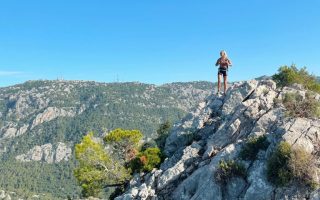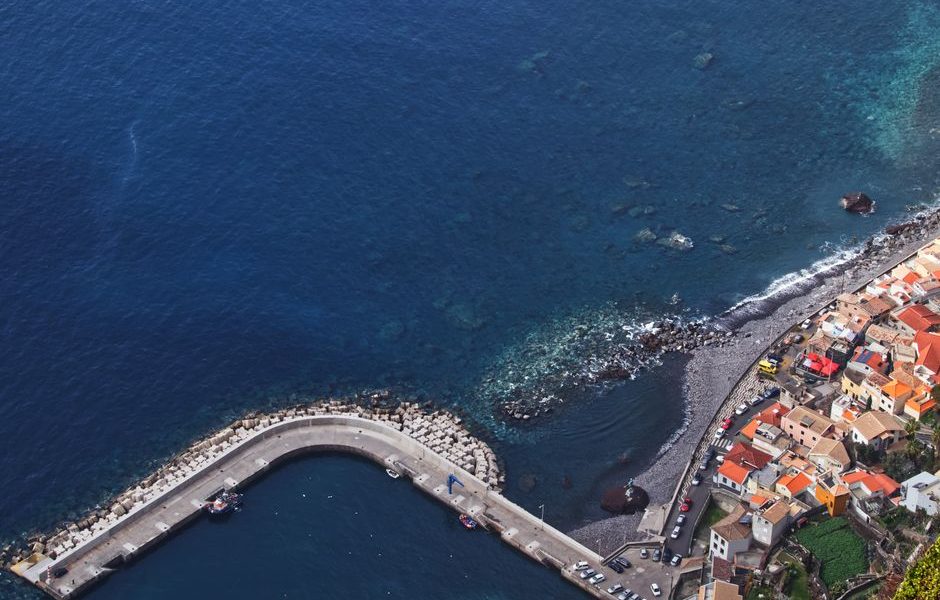
You wake up in Funchal under blue sky, drive uphill toward Rabaçal, and find the trail wrapped in cloud and light rain. That is Madeira in March. The island can give you warm streets, wet forest, sharp mountain wind and bright flowers on the same day.
March is a strong month for walking if you plan around altitude and keep one backup route. It is quieter than summer, the hills are intensely green, and spring colour is already showing in gardens and villages. The mistake is treating Madeira as one weather zone.
Which Madeira walks work best in March?
Best wet-weather choice
Choose a forest levada when the high peaks disappear into cloud. PR11 Vereda dos Balcões is the safest short option: the official route is 3 km round trip, takes about 1 hour 30 minutes and stays around 870–880 metres. PR10 Levada do Furado gives you a longer forest day at 11 km and about five hours, but it needs more energy and a transport plan.
Best clear-day choice
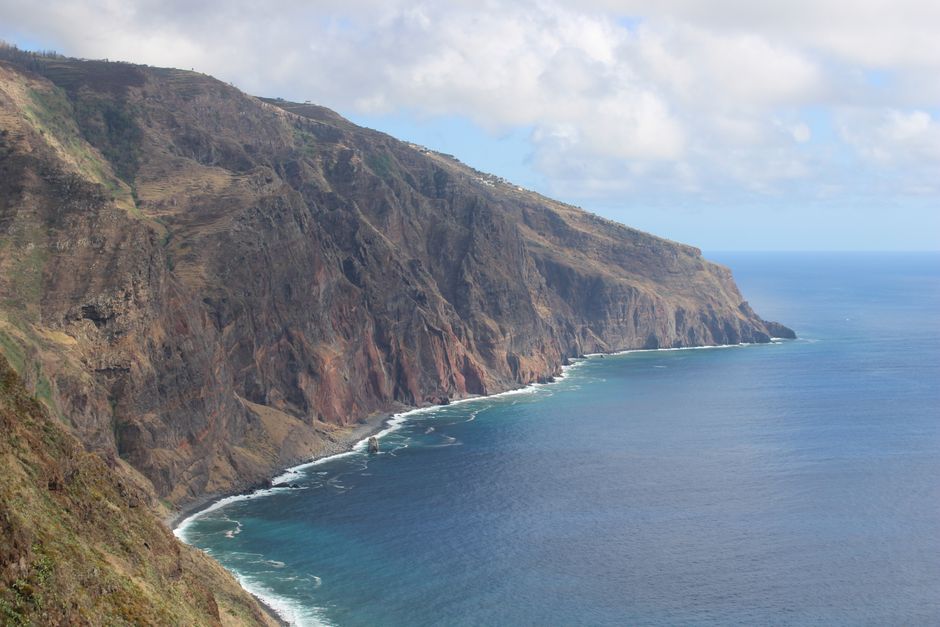
Save exposed routes for a stable forecast. PR8 Ponta de São Lourenço gives wide ocean views and low elevation, while PR6 Levada das 25 Fontes delivers waterfalls and Laurissilva forest. Check the official trail page before leaving because Madeira can restrict or close routes after rain, rockfall or maintenance.
| Walk | Distance | Time | March verdict |
|---|---|---|---|
| PR11 Vereda dos Balcões | 3 km return | 1h 30m | Best short forest walk and weather backup |
| PR6 Levada das 25 Fontes | 8.6 km return | About 3h | Best waterfall and lush-forest combination |
| PR10 Levada do Furado | 11 km | About 5h | Best full levada day through Laurissilva |
| PR8 Ponta de São Lourenço | 8 km return | About 2h 30m | Best dry-day coast walk; exposed to wind |
For most visitors, PR6 is the clear winner. It gives you the classic Madeira picture without committing to a high mountain route.
What does Madeira weather feel like in March?
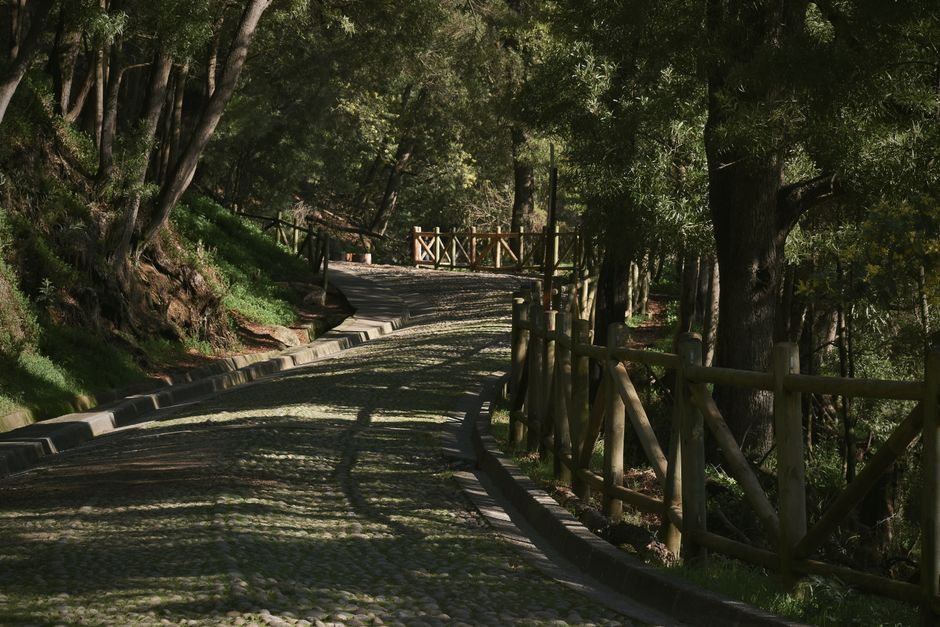
Funchal is mild, but the mountains are not
That sounds easy. It is easy at sea level. A levada can sit hundreds of metres higher, where cloud, drizzle and wind change the walk completely. The IPMA climate normal for Funchal describes the city, not every ridge and forest on the island.
Rain is a planning problem, not a reason to cancel
Rain makes Madeira’s waterfalls stronger and its forests brighter. It also creates slick stone, muddy steps and sudden water flow beside narrow paths. After heavy rain, do not force a route because the forecast says the afternoon will clear. Trail conditions can lag behind the weather. A path that looks fine at the car park may be dangerous around a tunnel, cliff edge or waterfall.
Use a simple rule: if the route is exposed, high or dependent on a viewpoint, give it the best forecast window. If the route sits in forest, use it on a cloudy morning. PR6 and PR11 can still be rewarding without a clear mountain panorama. PR8 loses much of its appeal in strong wind, and PR1 across the central peaks is a poor March gamble for casual walkers.
Why March is better for green scenery than guaranteed views
March gives you fresh growth, running water and soft light. It does not promise blue skies. The best itinerary leaves one flexible day for a clear viewpoint and one short walk for poor weather. That small change prevents the classic failure: spending a whole day driving to a cloud-covered summit, then missing the forest and flowers that made March attractive in the first place.
Book walks around the weather, not around an ambitious checklist. Madeira rewards flexibility with better scenery.
How should you plan a levada day in March?
Use this five-step plan
- Look at altitude and exposure. A low coastal route and a 1,000-metre forest route can have completely different weather on the same morning.
- Start early. Early departures give you cooler temperatures, better parking and more time to change routes if rain arrives.
- Build in transport time. PR10 is a point-to-point walk from Ribeiro Frio to Portela. A parked car at the wrong end turns a pleasant hike into a logistics problem.
- Carry a real light. Several Madeira walks use tunnels or shaded sections where a phone torch is awkward and unreliable.
Three mistakes that ruin March hikes
- Wearing smooth trainers on wet stone. The problem is grip, not fashion.
- Assuming an “easy” levada has no exposure. Some paths are flat beside steep drops, narrow channels or fast-moving water.
- Leaving the rain shell in the car because Funchal is sunny. The car park is not the mountain.
A guide is not mandatory on classified PR trails, but a guide earns their fee on routes with tunnels, route changes or difficult transport. Go independently on PR11 or PR8 if you are comfortable reading signs. Use a guided day for a longer, unfamiliar route when weather is unstable.
What hiking gear is actually worth buying?
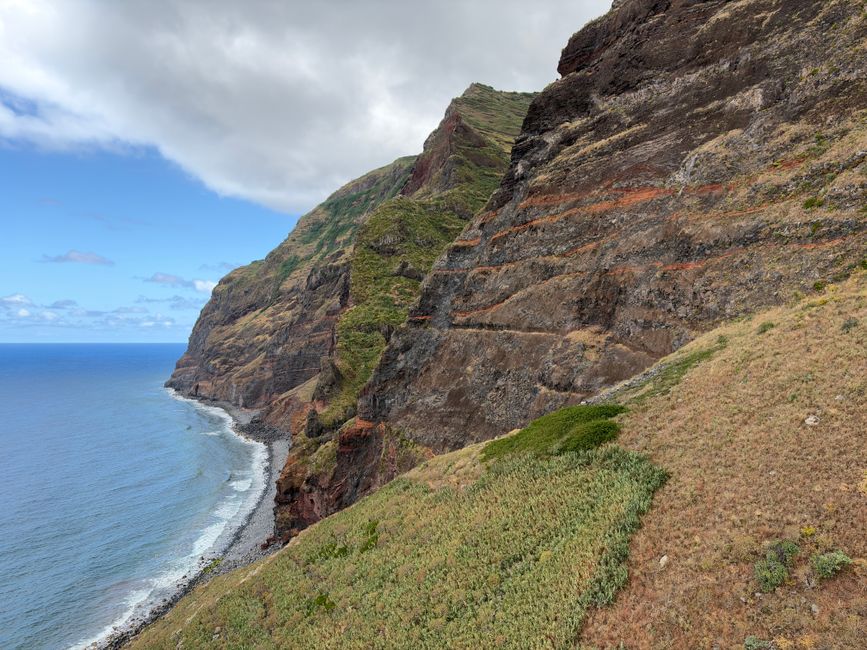
Buy footwear and rain protection first. Skip the expensive travel wardrobe. Madeira in March punishes poor grip and weak waterproofing faster than it punishes old hiking trousers.
Best footwear for wet levadas
It typically costs about €160–€180 in Europe, uses a waterproof membrane and has a sole built for uneven, wet ground. A low shoe is fine for PR11 in dry weather, but the mid-height version gives more ankle protection on muddy steps.
Best rain layer
The Patagonia Torrentshell 3L costs about €200 and gives you a proper three-layer waterproof shell with a hood and pit zips. It is more jacket than most city travellers need, but March showers are short, heavy and badly timed. For a cheaper option, the Decathlon Quechua MH500 waterproof jacket is usually around €60–€80 and packs smaller. The Patagonia wins for repeated hiking; the Quechua wins for one holiday on a tighter budget.
Small items that earn their space
You do not need either premium item for every walk. You do need a headlamp for long tunnels and a pack that keeps both hands free near exposed paths.
Where do spring flowers fit into a March itinerary?
Are Madeira’s flowers already out in March?
Yes, but do not book March expecting the main Madeira Flower Festival. March is the quieter pre-festival season: gardens, roadsides and villages show colour, while the island still feels like a hiking destination rather than a large event venue.
For flowers, pair a morning walk with an afternoon garden visit. PR11 gives you native and endemic plants in the Laurissilva setting. Funchal’s botanical areas add camellias, azaleas, palms and cultivated subtropical plants with more reliable viewing conditions. The contrast matters: the forest shows Madeira’s ecology; the gardens show what thrives in its mild climate.
What is the best five-day March mix?
Use PR6 on a clear or lightly cloudy day, PR11 when the forecast is uncertain, PR8 on a dry and calmer day, and PR10 when you want a longer forest hike. Keep one day for Funchal gardens, markets and a coastal walk. If late-March weather turns wet, move the flower-focused day into town and save the levada for the next stable morning.
Do not chase every famous viewpoint. The best March trip has green forest, one waterfall route, one coastal route and enough spare time to respect trail closures.
Madeira in March is best for travellers who choose flexible levada days over guaranteed sunshine: pack for rain, check the official status, and make PR6 your first serious walk.