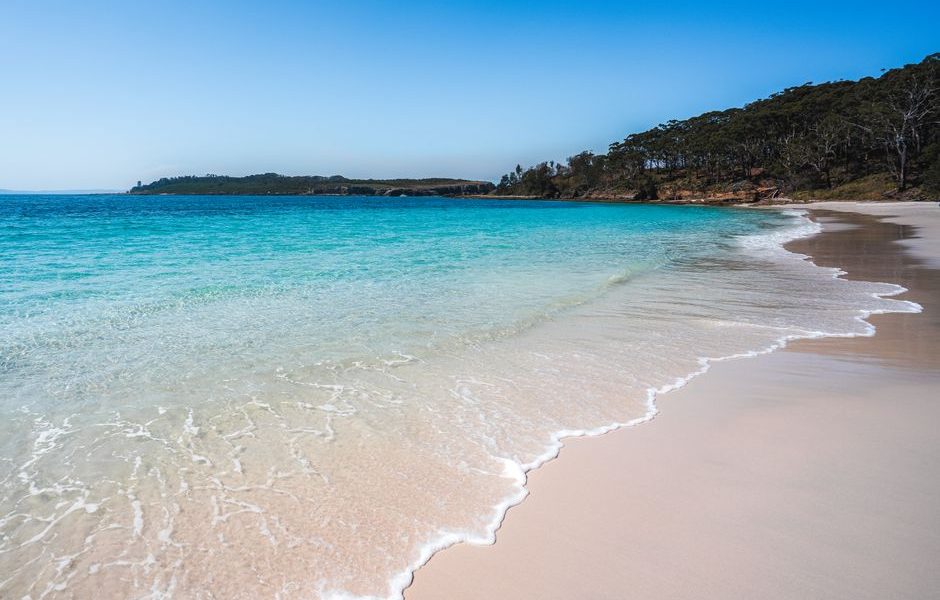
The common mistake is treating Oceania as one winter destination. July can mean ski conditions in New Zealand, whale-watching weather in Tasmania, dry days in northern Australia, and rain or strong winds elsewhere. The best escape starts with your school calendar, then matches the dates to the climate and travel time you can handle. For 2026, the strongest family window is the July break, but the best destination changes by state, country, and whether you want snow, wildlife, warmth, or a low-stress city trip.
Where should families go in Oceania during winter?

Verdict: choose the South Island for snow, northern Australia for warmth, and Tasmania for a compact wildlife-and-food escape. The map is less useful than the seasonal pattern. A short flight to a warm region can produce a better family holiday than a longer journey to a famous winter destination with poor weather.
| Destination | Typical winter appeal | Best for | Main tradeoff |
|---|---|---|---|
| Queenstown and Wānaka | Snow sports, crisp days, alpine scenery | Active families and teenagers | Peak prices and changeable mountain weather |
| Christchurch and Canterbury | Easy road access, museums, gardens, nearby ski fields | Mixed-age groups | Less dramatic than the deep South Island |
| Hobart and southern Tasmania | Cool-weather food, wildlife, short drives | Families wanting variety without constant packing | Cold rain and limited daylight |
| Cairns and the Great Barrier Reef | Warm, mostly dry winter conditions | Sun-seeking families | Marine tours can be cancelled in rough weather |
| Darwin and Kakadu | Dry-season walks, wildlife, outdoor dining | Warmth and nature | Long distances between sights |
For a first family trip, Christchurch is the strongest all-round base. It gives you city activities, day trips, and access to winter scenery without forcing every traveller to ski. Queenstown wins for a group that already wants snow. Cairns wins for travellers who dislike cold mornings more than they value alpine views.
How do you match the itinerary to winter weather?
Winter travel works best when the itinerary has a weather-proof core. Build around one activity that can survive rain, wind, or a cancelled tour, then add outdoor plans around it. This matters in Oceania because weather can change quickly across short distances. A clear morning in Queenstown does not guarantee an open alpine road, and a calm sea forecast in Cairns does not promise a comfortable reef crossing.
Use a two-zone itinerary
Stay in one main base for three or four nights, then add one nearby zone. In Tasmania, that could mean Hobart plus the Huon Valley or Bruny Island. In New Zealand, it could mean Christchurch plus Arthur’s Pass or Hanmer Springs. In northern Australia, combine Cairns with the Atherton Tablelands rather than driving across the entire region.
This structure reduces the failure mode that ruins short school breaks: moving every night. A family loses time packing, checking out, finding food, and learning a new route. Two bases create enough variety without turning the holiday into a transport project.
Protect the important booking
Put the most weather-sensitive activity in the middle of the trip, not on the final day. If a whale cruise, scenic flight, ski lesson, or reef tour is cancelled, you still have a spare day to move it. Keep the final day near the airport or ferry terminal. Winter delays become more likely when mountain roads, sea crossings, or regional flights are part of the plan.
Allow at least one indoor anchor in every destination: a museum, aquarium, food market, thermal pool, wildlife centre, or cultural venue. This is not wasted time. It is what keeps a family itinerary usable when the forecast turns.
Use daylight as a planning limit
In southern destinations, schedule outdoor activities between roughly 9 a.m. and 3:30 p.m. in midwinter. Driving after dark on unfamiliar roads is tiring, and frost or rain can slow mountain routes. Northern destinations give you more comfortable outdoor time, but heat is still possible around midday in Darwin and Kakadu. The best itinerary follows the season instead of pretending every day offers summer conditions.
What transport choices prevent expensive mistakes?
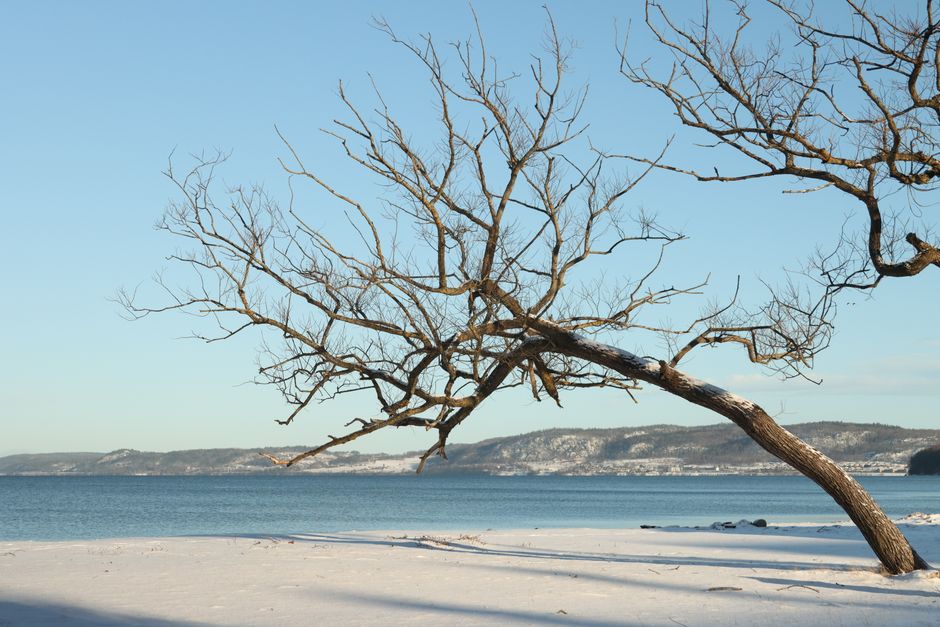
Verdict: compare the total door-to-door cost, not the headline airfare. A cheap seat can lose its advantage after baggage, airport transfers, car hire, and a missed connection are added. Transport choice also sets the pace of the holiday.
- Use Jetstar for light packers and simple routes. A Jetstar Starter fare includes a combined 7kg carry-on allowance for two items on current eligible services. That works for a short city break, but a family carrying ski clothing can face extra fees. Measure the bag before leaving home; the stated main-bag limit is 56cm by 36cm by 23cm.
- Choose Qantas when checked baggage and schedule resilience matter. Qantas Economy lists a 7kg standard carry-on allowance, with a 56cm by 36cm by 23cm size limit for one standard piece. The fare can make more sense for a longer winter trip where every traveller needs bulky layers and checked bags.
- Use Air New Zealand for a New Zealand-focused itinerary. Economy carry-on is limited to 7kg, while higher cabins and some status tiers allow more. Air New Zealand is the cleaner choice when the trip connects several New Zealand airports and a single booking protects the onward itinerary.
- Treat the Interislander ferry as a half-day journey. The Wellington–Picton crossing takes about three to three and a half hours, before check-in and terminal transfers. It is scenic, but it is not a quick hop. Put it on a daylight travel day and keep the next activity flexible.
The biggest transport mistake is booking separate tickets with a short connection during a winter school break. A delay on the first leg can leave you paying for a replacement flight. For a complex route, the extra cost of one protected booking is easier to justify than a fragile itinerary.
Which winter escape works for different family types?
Is Queenstown right for families who do not ski?
Yes, but only if you plan around more than the slopes. Queenstown suits mixed groups when the itinerary includes lakefront walks, scenic gondola rides, indoor attractions, and a day trip to Arrowtown. Non-skiers should not pay peak ski-town prices for a week built around an activity they will not use. For a snow-focused family, Queenstown is the strongest choice because lessons, equipment hire, and restaurants are concentrated in one compact area.
Is Cairns better than Tasmania for young children?
Usually. Cairns offers warmer mornings, shorter clothing lists, and attractions that work for several ages. The tradeoff is that reef and island tours rely on sea conditions. Tasmania is better for families that prefer wildlife parks, food, short hikes, and museums over water activities. Its roads and weather need more care, but Hobart makes a calmer base than a resort town during a busy school break.
When should you skip a multi-city trip?
Skip it when the holiday lasts five nights or less, when children are under school age, or when the group has different energy levels. A single-base trip to Hobart, Cairns, Christchurch, or Queenstown will feel longer because fewer hours disappear into transfers. Multi-city travel becomes worthwhile at seven nights or more, especially when one city supplies culture and the second supplies nature.
The practical answer is not the destination with the longest attraction list. It is the place that gives your group one strong reason to go, one reliable backup plan, and enough unscheduled time to recover from travel.
What is the clearest 2026 recommendation?
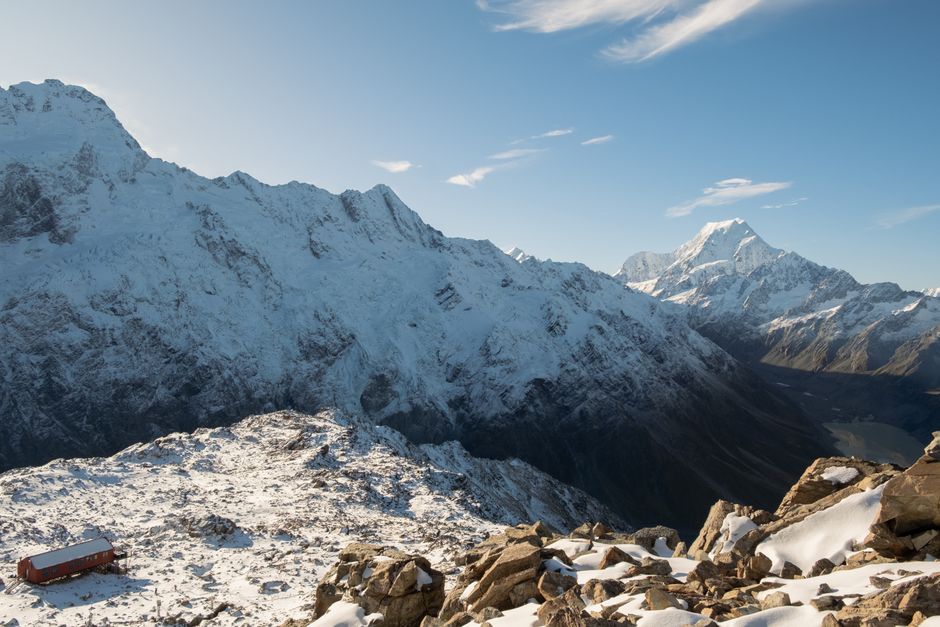
For most families, Christchurch and Canterbury are the best Oceania winter escape for the July 2026 school break. The region balances winter scenery, museums, food, road access, and activities for people who do not want to ski every day. Choose Queenstown or Wānaka when snow is the main purpose. Choose Cairns when warmth matters more than alpine scenery. Choose Tasmania when you want a slower trip built around wildlife, local food, and short drives.
Do not force a long South Island road trip into a five-night break. Do not book an exposed ferry or reef cruise on the final day. Do not assume every school follows the state or national calendar. Those three mistakes create most of the avoidable stress.
| Trip goal | Best pick | Why it wins |
|---|---|---|
| Snow and ski lessons | Queenstown or Wānaka | Reliable access to alpine activities and a strong winter atmosphere |
| Warm weather | Cairns | Dry-season conditions and easy family-friendly day tours |
| Wildlife and food | Hobart and southern Tasmania | Compact distances with strong indoor and outdoor options |
| Mixed ages and first visit | Christchurch and Canterbury | Balanced activities without constant hotel changes |
| Island-to-island New Zealand trip | Wellington plus Picton | Culture, harbour scenery, and a memorable Cook Strait crossing |