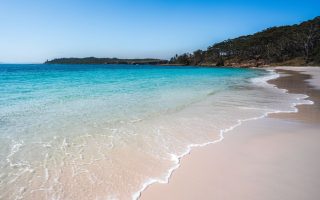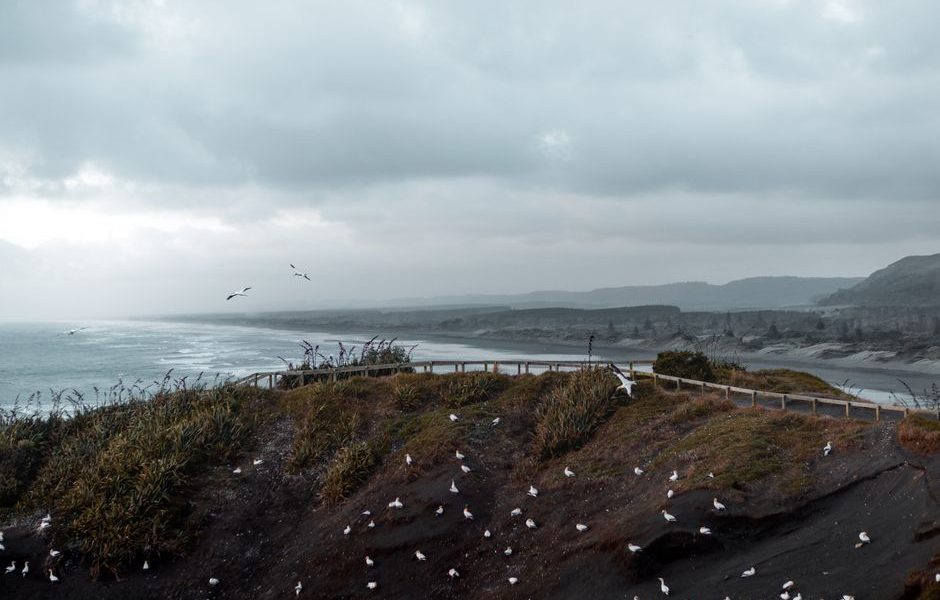
Trying to plan a North Island road trip in January without spending half the holiday behind the wheel? That was my main problem the first time I drove south from Auckland. The map looked manageable, but summer traffic, one-lane roads, ferry timings, short walks that became long walks, and fully booked campsites changed the maths quickly.
My strong view is simple: do not try to cover every famous stop. A good January route gives you beaches, geothermal country, volcanic scenery, and Wellington without turning the trip into a driving test.
Drive this eight-day route, not the whole island
The route I would choose
For a first North Island January road trip, I would land in Auckland, head east to the Coromandel, cut south through Rotorua, spend time near Tongariro, and finish in Wellington. This route has variety, sensible driving legs, and enough spare time for weather changes. I would not add New Plymouth, Napier, and the Bay of Islands unless you have at least twelve days.
| Day | Base | Drive from previous stop | Best use of the day |
|---|---|---|---|
| 1 | Auckland | Arrival day | Recover, walk the waterfront, collect the car |
| 2 | Coromandel | 2 hours 30 minutes | Drive Thames to Whitianga and visit a beach |
| 3 | Coromandel | Local driving | Cathedral Cove area, Hahei, or a coastal walk |
| 4 | Rotorua | 3 hours 15 minutes | Geothermal sites and an evening lake walk |
| 5 | Rotorua | Local driving | Redwoods, Māori cultural experience, or rafting |
| 6 | National Park village | 2 hours 30 minutes | Move south and check the mountain forecast |
| 7 | Wellington | 4 hours 30 minutes | Drive carefully, then eat and walk around the harbour |
| 8 | Wellington | None | Museum, Zealandia, or departure |
What I would cut first
If your trip drops below eight days, cut the Coromandel before cutting Rotorua or Wellington. The Coromandel is beautiful, but January traffic can make a short route feel slow. If beaches are your main reason for visiting, keep it and remove Wellington instead. That is a real tradeoff, not a scheduling trick. You cannot fit every landscape into one relaxed week.
Keep the middle of the trip flexible
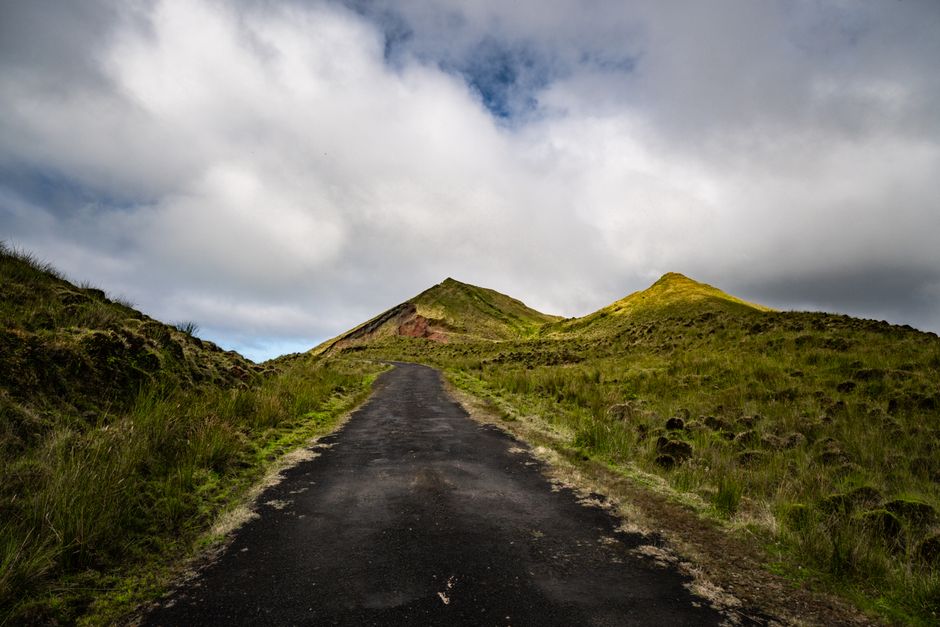
Book the fixed points first
January is the busiest part of the New Zealand summer. Reserve the rental car, first Auckland night, Coromandel accommodation, and final Wellington night before you arrive. Those are the pieces that cause the most trouble when left until the last minute.
- Book popular holiday parks and small Coromandel stays several weeks ahead.
- Keep at least one night near Tongariro uncommitted until you check the mountain forecast.
- Reserve the Wellington accommodation before the route begins, especially around weekends.
- Choose accommodation with parking. Searching for street parking after a long drive is a poor use of an evening.
- Leave 20 to 30 percent of each day open for viewpoints, food stops, or a walk that takes longer than the sign suggests.
Use weather as a route tool
January often brings warm, bright days, but the North Island can switch from dry to wet quickly. The Coromandel may have perfect beach weather while Tongariro is cloudy and windy. Check MetService before committing to a mountain walk, then move the walk to the clearest day. This works better than building the whole trip around one photograph.
The decision I would make is firm: protect outdoor days, not driving distances. If rain settles over Tongariro, spend the day in Rotorua and move south the next morning. A flexible route produces better memories than ticking off a trail in poor visibility.
Pack for four seasons in one summer day
The small kit that earns its space
North Island summer packing is not beach-only packing. You need sun protection, quick-drying layers, and one warm waterproof layer for exposed tracks. The merino shirt handles repeated wear better than a heavy cotton tee.
It is large enough for water, lunch, a shell, and a camera without encouraging you to carry your entire suitcase. I would not buy it for city walking alone; the aggressive sole is unnecessary on pavements.
When a satellite messenger earns its cost
I would not buy one for a standard hotel-based route with good mobile coverage. I would carry it for remote campsites, solo hiking, long backcountry walks, or a trip where your emergency contact needs reliable two-way messages.
For ordinary sightseeing, spend that money on a better rain jacket, a proper day pack, or an extra night near the places you actually want to explore.
Do not let these five mistakes wreck the route
The mistakes I see most often
- Driving after every activity. A two-hour drive looks harmless on a map, but a beach walk, lunch stop, and summer traffic can turn it into a full day. Keep your longest drive on a transfer day.
- Treating Google Maps time as a promise. Curving roads, roadworks, cyclists, and one-lane bridges can add an hour. Add a buffer instead of arriving late and irritated.
- Underestimating the sun. New Zealand’s summer sun can burn exposed skin quickly. Carry SPF 50, sunglasses, a hat, and more water than you think you need.
- Booking the cheapest rental car without checking luggage space. Two large suitcases in a small hatchback leave little room to hide valuables. Choose a car that lets the luggage disappear under the cover.
- Planning Tongariro as a guaranteed highlight. Weather, transport slots, fitness, and trail conditions all matter. Keep a lower-level backup walk ready.
The expensive shortcut I would reject
I would not pay for a premium rental vehicle just for comfort on the main highways. Put that money toward an extra night in the Coromandel or Rotorua instead. Those choices remove daily stress; a larger engine usually does not.
Also, do not treat every scenic pull-off as a safe place for a long stop. Lock the car, keep passports out of sight, and take valuables with you. Small habits matter more than travel gadgets.
North Island January road trip questions answered
Is January the best month for this route?
January is the easiest month for long daylight, swimming, and warm evenings, but it is not the quietest or cheapest month. Accommodation fills faster, beaches feel busier, and rental cars cost more than in shoulder season. My verdict: choose January if outdoor time matters more than low prices. Choose March if you want warmer water than winter, fewer crowds, and a calmer driving rhythm.
How many days do you need?
Eight days is the minimum I would use for Auckland, Coromandel, Rotorua, Tongariro, and Wellington. Ten to twelve days is much better because it gives you two weather buffers and stops the route from becoming a chain of hotel check-ins. With five or six days, stay north of Taupō or choose Auckland, Rotorua, and one coastal area. Do not force the full island into a short trip.
Should you camp or use hotels?
Camping works well if you enjoy early starts and have already reserved legal sites. Hotels and small lodges win if your priority is a reliable shower, dry luggage, and an easy morning departure. I prefer a mix: simple accommodation in cities, a holiday park near the coast, and a comfortable room before the final Wellington drive. That balance keeps costs sensible without making every night a packing exercise.
The best North Island January road trip is not the one with the most pins on a map. It is the one that leaves enough time to stop when the light is good, change plans when the weather turns, and remember the road between the destinations.