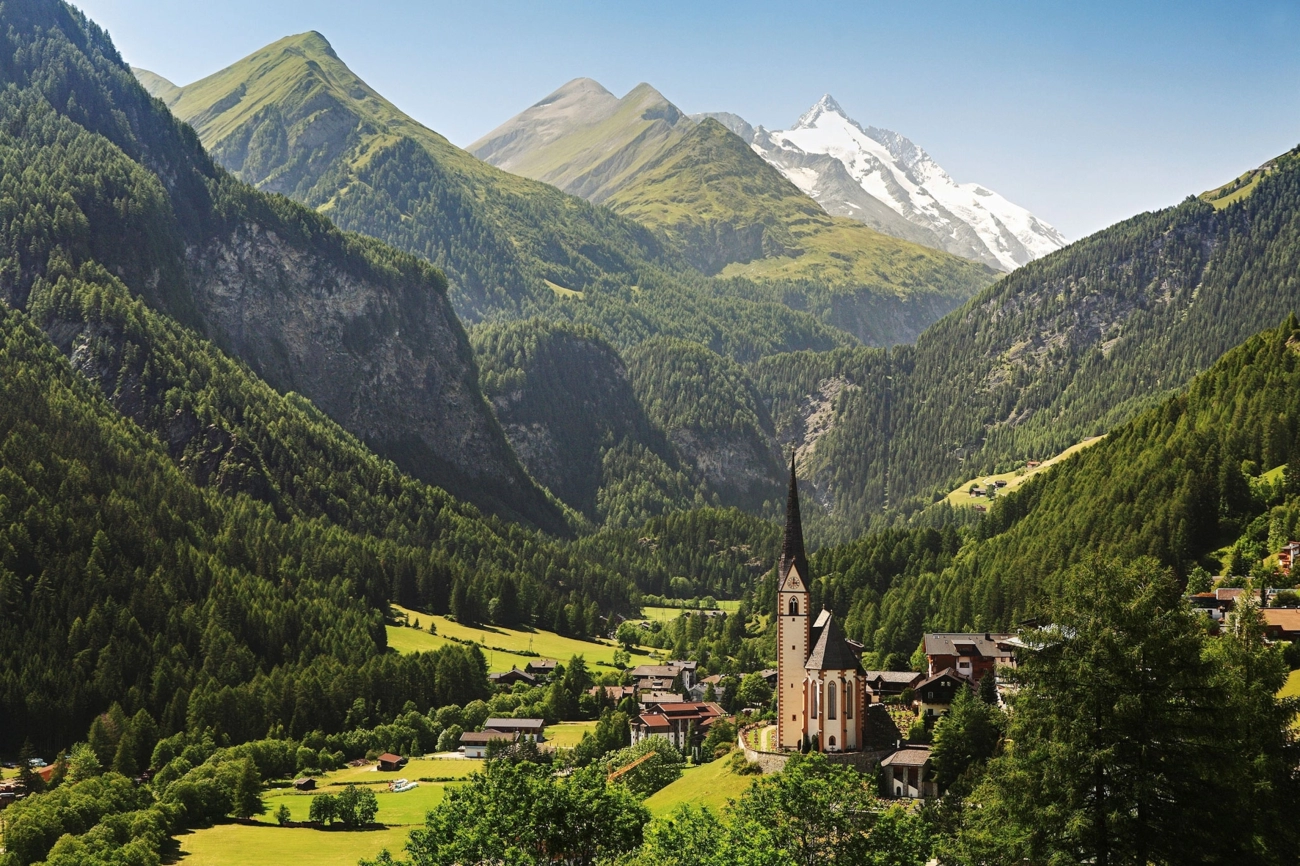
What Makes a Trail \”Hidden\” and Perfect for Adventure Seekers
Hidden hiking trails are off the beaten path hikes Europe lovers dream of — places where crowds are scarce, and nature feels untouched. These trails often lie in underrated countries or remote corners, waiting quietly for the curious explorer.
What Defines a Hidden Gem?
| Feature | Description |
|---|---|
| Few Visitors | Trails less known to tourists and hikers |
| Remote Locations | Far from major cities or popular spots |
| Underrated Regions | Countries or areas overlooked by most |
Why Adventure Seekers Choose Hidden Trails
- Rugged Terrain: Expect challenging paths that require scrambling, rock-hopping, or navigating narrow ridges.
- Dramatic Landscapes: Think deep gorges, towering peaks, wild coasts — nature in its rawest form.
- Multi-day Treks: Many hidden routes offer immersive multi-day experiences, perfect for those hungry for solitude and adventure.
Hidden vs. Popular Trails
| Aspect | Popular Trails | Hidden Trails |
|---|---|---|
| Crowds | Busy, social experience | Quiet, peaceful solitude |
| Accessibility | Easily reached and marked | Remote, sometimes harder to access |
| Instagram Appeal | Highly photographed | Less visual hype, more authenticity |
| Reward | Scenic but often commercial | Wild beauty, unique challenges |
Hidden trails may not flood your feed, but they deliver equal or greater rewards — jaw-dropping views and a real sense of discovery. For adventurers craving secret hiking trails Europe and remote wilderness walks Europe, these paths offer the ultimate escape.
Top 10 Hidden Hiking Trails in Europe
1. Lousios Gorge, Peloponnese, Greece
Located in the heart of the Peloponnese, Lousios Gorge is a rugged path weaving through wild rivers and ancient olive groves. The trail stretches about 10 km with moderate elevation, taking roughly 4-5 hours to complete. Highlights include centuries-old monasteries clinging to cliff faces and refreshing river spots. It’s moderately difficult, best hiked in spring or autumn to avoid summer heat. This trail stays quiet because it’s tucked away in a less-traveled part of Greece, offering a real sense of adventure.
2. Alpe-Adria Trail (Select Sections), Austria-Slovenia-Italy
This multi-day trail crosses borders between Austria, Slovenia, and Italy, showcasing stunning alpine lakes and cultural mix along the way. Sections vary in length but often involve challenging terrain with steady climbs and descents. Spring to early autumn is ideal for hiking here. The trail remains a hidden gem as most hikers tackle only parts of it, missing its full adventurous breadth across diverse landscapes and traditions.
3. Peaks of the Balkans, Albania-Montenegro-Kosovo
The Peaks of the Balkans trail forms a remote loop through rugged, pristine mountains. Covering roughly 150 km, most hikers spend 7-10 days exploring alpine meadows and authentic mountain villages untouched by mass tourism. The trail is moderately to highly challenging, with best hiking conditions from June to September. Hidden by its location in the less-visited Balkans, it’s perfect for those seeking wild Europe trekking spots away from crowds.
4. Vikos Gorge, Zagori Region, Greece
Vikos Gorge boasts the world’s deepest canyon relative to its width, located in the Zagori region. The main hike covers about 12 km, descending steep cliffs to the riverbed. Stone villages with traditional architecture dot the surroundings, adding cultural interest. Moderate to hard difficulty means it’s suited for fit hikers; spring and autumn are best to avoid extreme heat or snow. Its remote location keeps the trail off typical tourist routes, making it an underrated European trail.
5. High Tatras Trails (e.g., Palenica Białczańska to Morskie Oko), Poland/Slovakia
Crossing the border between Poland and Slovakia, these trails navigate jagged peaks, crystal-clear lakes, and waterfalls. The popular Palenica Białczańska to Morskie Oko route is about 9 km but has side trails accessible only to prepared hikers, including ladders and chains to aid scrambles. Summer and early autumn provide the best weather. Despite being near well-known national parks, these rugged paths remain lesser-known mountain treks due to challenging terrain.
6. Aurlandsdalen Valley, Norway
This historic valley hike offers a dramatic descent through fjord views, abandoned farms, and lively rivers. Stretching around 20 km, it takes 7-9 hours and involves steep parts and varied landscapes. The trail is best tackled in late summer to early autumn. It\’s off the beaten path since most visitors focus on Norway’s famous fjords, allowing hikers to enjoy solitude amid wild wilderness walks.
7. Queyras Valley Circuit, French Alps
The Queyras Valley circuit is a peaceful hut-to-hut alpine loop approximately 70 km long. Hikers traverse flower-filled meadows, clear lakes, and border areas with Italy, blending cultural and natural wonders. Moderate to difficult in sections, the trail is best from July to September, when mountain huts are open. Its low profile among Alps routes makes it a secret hiking trail in Europe worth exploring.
8. Thakgil Canyon and Trails, Southern Iceland
Thakgil Canyon features volcanic landscapes with green valleys near glaciers. Trails are around 10 km, with options to explore hidden caves and rugged terrain. Summer months offer the best accessibility and longer daylight. Being located in southern Iceland yet off the main tourist path, it remains under the radar for most visitors, perfect for adventure hiking hidden gems.
9. Liechtenstein Panorama Trail (Route 66), Liechtenstein
Route 66 in Liechtenstein is a ridge walk spanning about 75 km across forested sections and alpine panoramas. The varied landscapes offer moderate difficulty with some steep climbs, suited for multi-day hikes. Spring through autumn is best. This small country\’s trails often go unnoticed but offer rewarding views and peaceful solitude.
10. Cape Kamenjak and Učka Trails, Istria, Croatia
Along Croatia’s Istrian coast, these trails combine coastal cliffs, turquoise coves, and forested peaks. Distances vary from short coastal hikes to longer mountain routes, suitable for all levels. Spring and early autumn avoid the summer crowd and heat. These coastal secret paths Europe holds are underrated for their blend of sea views and rugged terrain, far from the busy Dalmatian coast.
For those interested in uncovering more European outdoor experiences, exploring Lanzarote’s outdoor adventures adds a volcanic twist to your journey across the continent’s hidden gems.
Essential Planning Tips for Hidden Trail Adventures
Planning ahead is key when tackling Europe’s hidden hiking trails. Here’s what to keep in mind for a safe and enjoyable adventure:
Best seasons and weather:
Most hidden trails are best hiked in late spring to early autumn (May to September) when the weather is stable and trails are clear. Mountain and high-altitude routes, like those in the High Tatras or Queyras Valley, often open fully in summer. Always check local weather forecasts since conditions can change rapidly, especially in remote wilderness areas.
Gear essentials: Sturdy boots: Rugged terrain demands durable, comfortable hiking boots with good ankle support. Navigation tools: GPS devices, maps, and a compass are crucial—hidden trails can be poorly marked. Weather layers: Pack waterproof jackets, warm layers, and sun protection; the weather can shift from sun to storms quickly. Permits, access, and safety:
Some lesser-known trails may require permits or have specific access rules. Research in advance, especially for routes crossing borders like the Alpe-Adria Trail or Peaks of the Balkans. Carry a first aid kit and be aware of potential wildlife encounters. Since these are remote areas, inform someone of your plans, and consider emergency communication devices.
Sustainable hiking:
Respect the environment by following Leave No Trace principles: stay on marked paths, pack out all trash, avoid disturbing wildlife, and minimize campfire use. These trails remain hidden partly because of their pristine condition, so it’s everyone\’s job to keep them that way.
Accommodation options:
Depending on the trail, options vary from basic mountain huts and refuges to camping grounds or local homestays. Multi-day treks like those in the Balkans or French Alps often have established huts, but some remote paths require self-supported camping. Planning accommodations ahead helps ensure a smooth trek.
For more on making the most of your hiking plans in Europe, you might find useful tips in comprehensive travel guides like the Vienna city break travel guide, which covers nearby regions and local conditions.