
You’re standing in front of a restaurant in Trastevere at 7:45 PM. The menu is entirely in Italian. The waiter looks impatient. The couple next to you is eating something that smells incredible, but you have no idea what it is or how to order it. You point at a random pasta dish, pay €18, and get something… fine. Not bad. Not memorable. Just fine.
That’s the exact moment people start Googling “Rome food tour worth it.” Because the alternative — wandering around hoping to stumble into authenticity — usually fails.
Here’s the short answer: Yes, a food tour in Rome is worth it if you pick the right neighborhood and the right operator. No, it’s not worth it if you book a generic “Taste of Rome” tour in the city center near the Trevi Fountain. The difference is everything.
What You’re Actually Paying For
A Rome food tour costs between €45 and €120 per person. That’s not cheap. But you’re not paying for food — you’re paying for access, curation, and time.
Here’s the breakdown of what a good tour gives you:
- Restaurant selection: Rome has over 13,000 restaurants. Maybe 300 are genuinely excellent. A good guide has already done the trial-and-error for you.
- Language and cultural translation: Knowing that carciofi alla giudia (Jewish-style fried artichokes) is seasonal and only available from February to April changes what you order.
- Skip-the-line or reserved tables: At places like Roscioli or Da Enzo al 29, you’ll wait 45-90 minutes without a reservation. Tours often bypass this.
- Context: Why does Roman pasta use pecorino instead of parmigiano? Why is there no “spaghetti carbonara” with cream in Rome? A guide explains this in 30 seconds. You’d need hours of research to piece it together yourself.
The food itself on a €75 tour might cost €30-40 at menu prices. You’re paying the extra €35-45 for the curation and access. Whether that’s worth it depends on how much you value your limited vacation time.
What a Bad Tour Looks Like
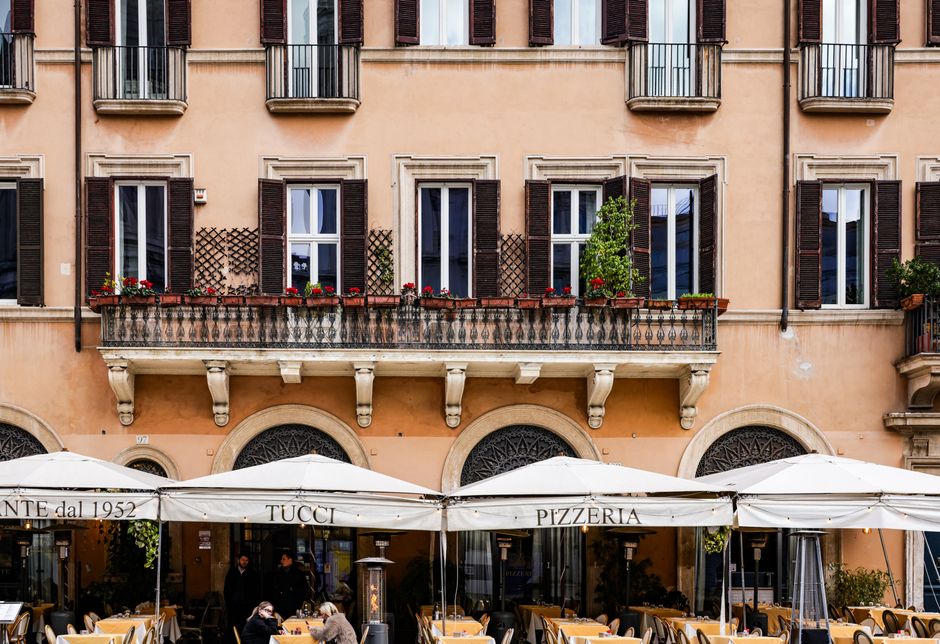
A bad tour takes you to 5 places near Campo de’ Fiori that all cater to tourists. You get small portions of mediocre pizza, a scoop of gelato, and a glass of house wine. The guide reads from a script. You leave full but unsatisfied, having paid €60 for food you could have found yourself with a 10-minute Google search.
These tours exist because they’re profitable. The restaurants pay the tour company to bring groups. The food cost is minimal. If a tour’s marketing emphasizes “unlimited wine” or “10 tastings,” be suspicious. Quality over quantity.
Which Neighborhoods Actually Deliver

Not all Rome food tours are equal because not all Rome neighborhoods are equal for food. Here’s the honest breakdown:
| Neighborhood | What You Get | Tour Price Range | Worth It? |
|---|---|---|---|
| Testaccio | Traditional Roman cuisine, offal dishes, local markets, zero tourist traps | €65-€95 | Yes — best value in Rome |
| Trastevere | Trendy but increasingly touristy. Good food if you go 2 blocks off the main square | €55-€85 | Yes, with a good operator |
| Jewish Ghetto | Specialized, historic, unique dishes like carciofi alla giudia | €70-€110 | Yes, if you want depth not breadth |
| Campo de’ Fiori / Centro Storico | Tourist central. Most generic tours operate here | €45-€70 | No — DIY instead |
| Prati / Vatican area | Residential, solid food, fewer tourists | €60-€90 | Yes, if staying nearby |
Testaccio is the answer. It’s where Romans actually eat. The Mercato Testaccio is full of stalls selling porchetta, fresh pasta, and tripe sandwiches. A tour here — like the ones run by Eating Italy or Devour Tours — takes you to places you would never find on your own, like a 100-year-old offal specialist or a pastry shop that only makes one thing.
DIY vs. Guided: The Real Tradeoff
If you’re on a tight budget, you can absolutely DIY a Rome food crawl. It’s not hard. But you’ll make mistakes. Here’s what that looks like:
You plan to hit 5 spots in Testaccio. You arrive at the first one at 3 PM. It’s closed — Romans don’t eat lunch after 2:30 PM. You walk to the second spot. It’s a tourist trap with a laminated menu in 6 languages. You eat there anyway because you’re hungry. You’ve now spent €15 on mediocre pasta and wasted an hour. The third spot is excellent, but you’re too full to order properly. You get one dish instead of three.
That’s the failure mode of DIY. It’s not that you can’t find good food — it’s that the timing, ordering, and pacing are hard to get right without local knowledge.
When to DIY: You’re staying in Rome for 5+ days, you’ve done research, you’re comfortable with Italian menus, and you don’t mind a few misses.
When to book a tour: You have 2-3 days in Rome, you want to maximize every meal, and the €75 is not a significant part of your travel budget.
The Operators Worth Your Money
Not all tour companies are equal. Some are excellent. Some are factories. Here’s my honest take on the main players in Rome in 2026:
Eating Italy (Testaccio and Trastevere tours)
This is the gold standard. Their Testaccio tour runs about €79 and includes 8-9 stops. The guides are Roman, the portions are generous, and they don’t rush you. You’ll eat things like trapizzino (a triangular pizza pocket filled with braised oxtail) and real Roman carbonara. Book this if you only do one tour.
Devour Tours (Trastevere and Jewish Ghetto)
Devour is owned by Walks, which runs excellent small-group experiences across Italy. Their Rome food tours focus on family-run spots and include wine pairings. The Jewish Ghetto tour is particularly good because that neighborhood is dense with history and specific dishes you won’t find elsewhere. Expect €85-€95.
The Roman Food Tour (Prati)
This one operates near the Vatican and gets excellent reviews. It’s a good choice if you’re staying in Prati and don’t want to trek across the city. About €75. Includes a sit-down pasta course, which many walking tours skip.
Avoid any tour that’s under €45 or that advertises “unlimited wine.” Those are volume operations. The food will be forgettable.
What a Good Food Tour Actually Feels Like
You meet at 10:30 AM at a specific corner in Testaccio. The guide — let’s call her Giulia — is holding a small sign. There are 8 of you. She asks about allergies, then walks you to a bakery that’s been operating since 1920. You eat a slice of pizza bianca that’s still warm. It costs €1.50 if you bought it yourself. But Giulia tells you why the dough is different here (long fermentation, high hydration) and why Romans eat this for breakfast, not lunch.
Over the next 3.5 hours, you hit 8 stops. A salumeria where you taste 4 types of pecorino. A market stall with porchetta stuffed into a fresh roll. A tiny restaurant where the owner comes out and tells you — through Giulia — that his grandmother started the place and the carbonara recipe hasn’t changed since 1952. You end with gelato from a place that makes it fresh every morning.
You paid €79. You ate about €40 worth of food. But you now know what to order for the rest of your trip. You know that cacio e pepe should be creamy but not heavy, that amatriciana uses guanciale not bacon, and that the best gelato has muted colors, not neon green pistachio.
That knowledge pays off for every subsequent meal. That’s the real value.
When NOT to Book a Rome Food Tour
Some situations make a food tour a bad idea:
- You’re traveling with picky eaters or kids. Most tours are 3-4 hours with set tastings. A 7-year-old who only eats plain pasta will be miserable. Skip it.
- You have dietary restrictions beyond vegetarian. Vegan, gluten-free, or severe allergies limit what a tour can serve. You’ll get substitutes, but you’re paying full price for half the experience.
- You’re on a strict budget. If €75 per person means you’ll skip a museum or a train ticket, DIY instead. The Colosseum is more important than a guided food crawl.
- You’ve already done a food tour in Italy. If you did one in Florence or Bologna, you’ve learned the patterns. A second one in Rome has diminishing returns.
In those cases, spend your money on one excellent restaurant meal instead. A €50 dinner at a place like Flavio al Velavevodetto in Testaccio will teach you more about Roman food than a rushed tour.
Here’s the single most important takeaway: A Rome food tour is worth it only if it takes you to Testaccio or the Jewish Ghetto with a reputable operator — anything in the city center is a tourist tax.