Most first-timers think street food in Mexico City is a gamble. You either get the best meal of your life or spend the next 48 hours regretting it. That’s not how it works.
The reality is simpler. Street food markets in CDMX follow rules. Learn the rules, and you eat like a local without the side of Pepto-Bismol. Ignore them, and yeah, you’ll have a bad time.
This guide covers exactly what to look for, what to skip, and how to navigate the chaos. No fluff. Just what works.
Why Street Food Markets Are Safer Than You Think
The misconception: street food is dirty. The truth: most stalls are cleaner than sit-down restaurants because they have nothing to hide. They cook in front of you. You see the meat, the oil, the prep. That transparency matters.
Three things separate a safe stall from a risky one:
- High turnover. A stall that moves 200 orders of tacos before 2 PM isn’t holding onto old meat. The ingredients are fresh because they need to be.
- Visible cooking. If the tortillas are griddled in front of you and the meat is sizzling, you’re fine. Avoid anything pre-plated and sitting under a heat lamp.
- Clean hands, clean surfaces. Watch the vendor for 30 seconds. Are they handling money then touching food without wiping? Walk away.
Markets like Mercado de San Juan and Mercado Roma have higher hygiene standards because they cater to tourists and locals alike. Mercado de la Merced is grittier but has some of the best food in the city — you just need to be pickier about which stall you pick.
What to Order (And What to Skip) as a Beginner
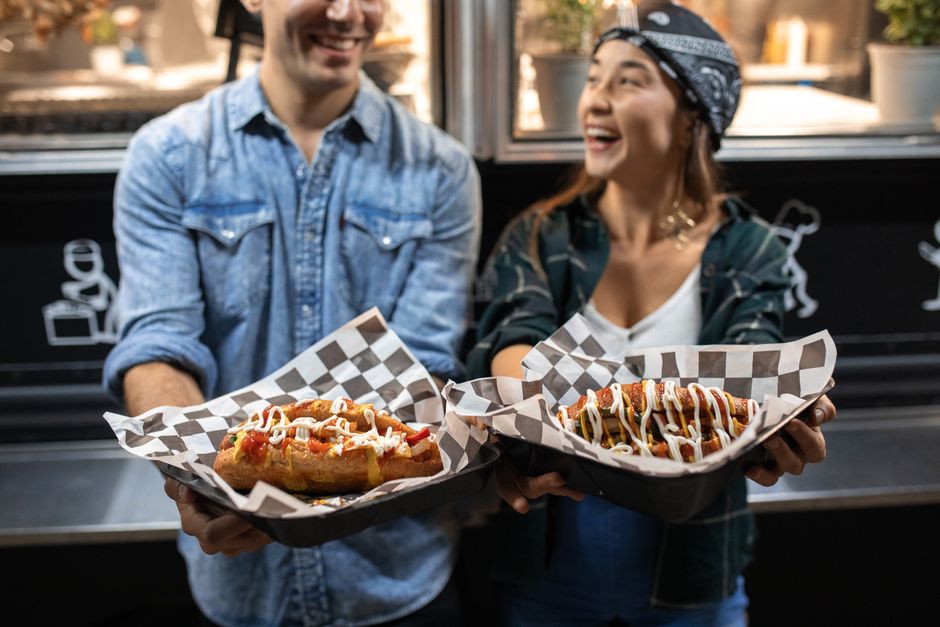
Tacos al Pastor — The Non-Negotiable First Meal
This is Mexico City’s signature street food. Spit-roasted pork, pineapple, cilantro, onion, and salsa on a small corn tortilla. A good al pastor taco costs about 15–20 pesos ($0.75–$1.00 USD).
Look for a stall with a vertical spit (trompo) where the meat is being shaved off fresh. If the trompo looks dry or the meat is sitting in a pool of grease, skip it. The best stalls have a line of locals at lunchtime. Join that line.
Elotes and Esquites — Corn Done Right
Grilled corn on the cob (elote) or corn in a cup (esquite) with mayo, chili powder, lime, and cotija cheese. Cheap, filling, and vegetarian-friendly. The risk here is low because the corn is boiled or grilled to order. Just make sure the vendor uses clean utensils to apply the toppings.
Tlacoyos — The Underrated Street Snack
Thick, oval-shaped masa cakes stuffed with beans or cheese, topped with nopales (cactus), salsa, and cream. These are harder to find outside Mexico City. They’re also a good test of a stall’s quality — if the masa is fresh and not dry, the rest of the menu is probably solid.
What to Skip
- Raw seafood ceviche from stalls that don’t look busy. Ceviche needs to be cold and fresh. If it’s sitting out in warm weather, pass.
- Pre-made tortas (sandwiches) that have been sitting under plastic wrap. Order made-to-order only.
- Anything with crema (cream) from a stall that doesn’t refrigerate it. Sour cream goes bad fast in heat.
How to Pay and Handle Money at Markets
Cash is king. Most market stalls don’t take cards. ATMs are everywhere in the city, but avoid the ones inside small convenience stores — they charge high fees and sometimes skim cards. Use bank ATMs inside malls or major metro stations like Bellas Artes or Insurgentes.
Break your bills. Vendors hate accepting 500-peso notes for a 20-peso taco. Keep smaller denominations: 20, 50, and 100 peso notes. Coins are even better.
One wallet hack: keep your main cash in a front pocket or money belt, and carry a small amount (200–300 pesos) in an easy-access pocket. That way you’re not flashing your full wallet every time you buy a taco.
If you’re worried about pickpockets in crowded markets like La Merced, don’t keep your phone in your back pocket. Cross-body bags with zippers are the standard for locals. A simple cloth bag with a zippered compartment works fine.
Timing Your Market Visits — When to Go for the Best Food
| Market | Best Time to Visit | Why |
|---|---|---|
| Mercado de San Juan | 11 AM – 2 PM | Lunch rush means fresh ingredients and hot food. Many stalls close by 4 PM. |
| Mercado Roma | 1 PM – 4 PM | More of a food hall vibe. Stalls stay open later, but lunch is peak freshness. |
| Mercado de la Merced | 8 AM – 11 AM | Early morning is when the produce and meat are freshest. Afternoon gets chaotic and crowded. |
| Street stalls (Calle Regina, Calle de López) | 7 PM – 10 PM | Evening street food is a thing. Vendors set up around 6 PM and cook through the night. |
General rule: eat when the locals eat. Lunch is between 1 PM and 4 PM. Dinner is late — 8 PM or later. If you show up at 5 PM to a market, you’ll find half the stalls closed and the other half serving leftovers.
Common Mistakes First-Timers Make (And How to Avoid Them)
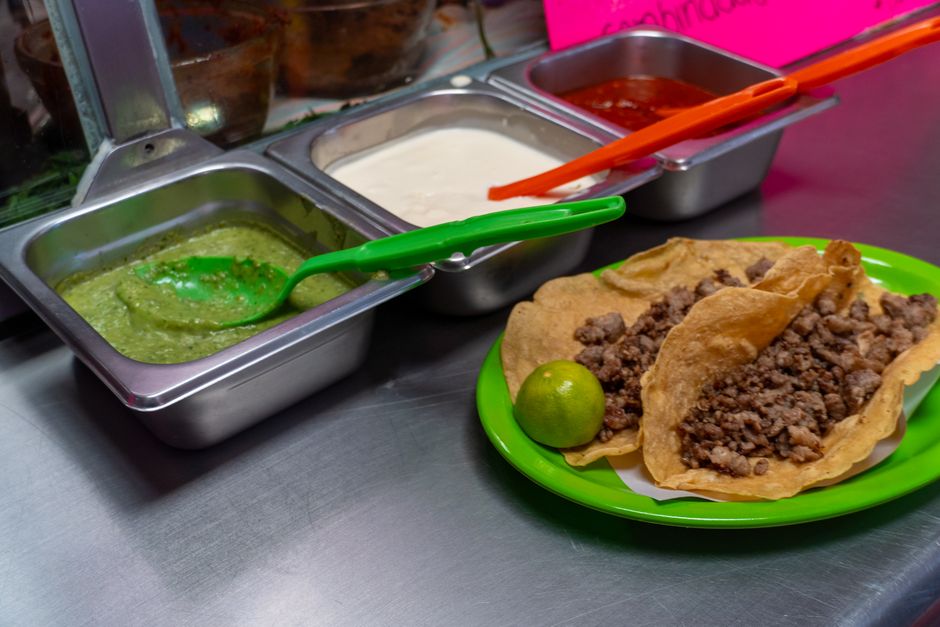
Mistake 1: Ordering everything with extra salsa. Mexican salsas vary wildly in heat. A salsa verde that looks harmless can be nuclear. Taste a tiny bit first on the edge of your taco. Then add more if you can handle it.
Mistake 2: Drinking tap water or ice made from tap water. This is the #1 cause of stomach issues for tourists. Stick to bottled water (agua embotellada). Most stalls sell 500ml bottles for 10–15 pesos. Ice at reputable stalls is made from purified water — but if you’re unsure, skip the ice.
Mistake 3: Eating at the first stall you see. Don’t settle. Walk the entire market first. See which stalls have the longest lines. See which ones look clean. Then decide.
Mistake 4: Not carrying hand sanitizer or wipes. Not all stalls have running water for handwashing. Carry a small bottle of sanitizer. Use it before you eat. That simple habit eliminates most contamination risk.
Mistake 5: Assuming all markets are the same. Mercado de San Juan is upscale with exotic meats (crocodile, lion). Mercado Roma is trendy and pricey. La Merced is chaotic, cheap, and real. Know which vibe you want before you go.
When You Should NOT Eat at a Street Stall
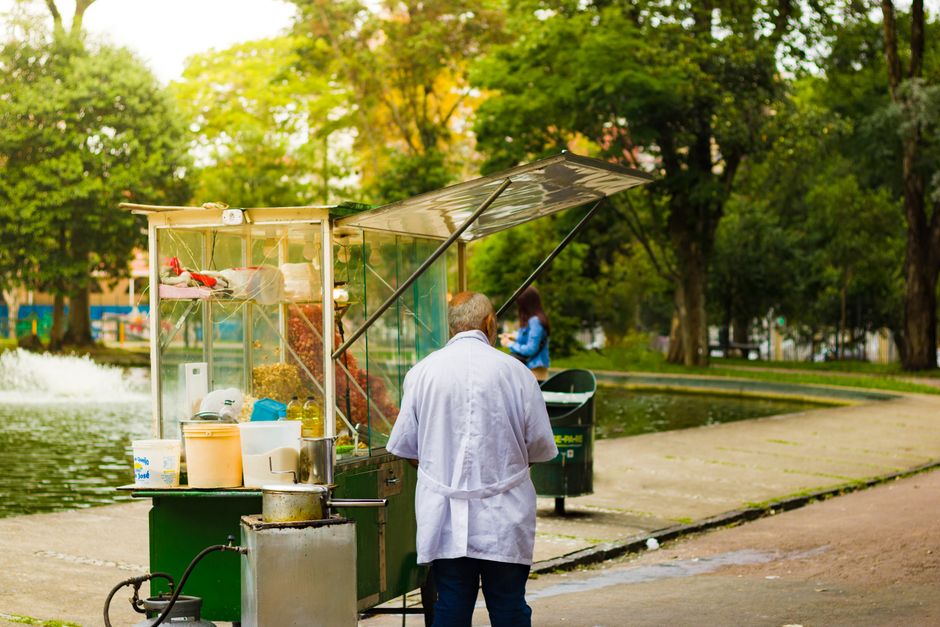
Sometimes it’s smarter to walk away. Here’s when:
- No visible customers. If a stall is empty during lunch rush, there’s a reason. Locals know something you don’t.
- Flies around the food. A few flies are normal in open-air markets. A swarm is a red flag.
- The vendor looks sick. This sounds obvious, but people ignore it because they’re hungry. If the person handling your food is coughing without covering their mouth or looks unwell, find another stall.
- You’re already feeling off. If your stomach is iffy, don’t test it. Stick to cooked, simple foods: tortas, quesadillas, or tamales. Skip raw salsas and dairy until you’re back to normal.
The alternative: hit a market like Mercado Roma where the food court is more controlled. You’ll pay double the street price, but you get air conditioning, seating, and higher kitchen standards. That tradeoff is worth it on a bad day.
Street food in Mexico City isn’t a risk. It’s a system. Learn how it works, and you’ll eat better here than at most restaurants in the world. The markets are loud, messy, and overwhelming — and that’s exactly why they’re worth your time.