
You’re standing in a downpour on a muddy trail in the Lake District. Your feet are soaked. Your socks are sloshing. And you’re asking yourself one question: which boot actually keeps water out?
I’ve tested nine pairs of waterproof hiking boots over the last three years—through Scottish bogs, Costa Rican rainforests, and Norwegian fjords. The two brands that keep coming up? Merrell and Salomon. They dominate the mid-range market. But they solve the wet-climate problem differently. Here’s the straight truth on which one you should buy in 2026.
What Makes a Boot Actually Waterproof? (The Gore-Tex Trap)
Every boot label screams “Gore-Tex.” But Gore-Tex is just a membrane. The real question is how the boot is built around it. A boot with a Gore-Tex liner but a low-cut ankle will still fill with water on a flooded trail. A boot with poor drainage channels will hold water inside after a stream crossing.
Here’s what matters more than the logo:
- Ankle height: Mid-cut or high-cut boots keep water out longer than low-cut shoes. The Salomon X Ultra 4 Mid GTX sits at 5.5 inches. The Merrell Moab 3 Mid is 6 inches. Both beat any trail runner.
- Gusseted tongue: A tongue that’s sewn to the upper on both sides stops water from sneaking in through the lace area. Both brands do this well, but Merrell’s tongue is more padded.
- Seam sealing: The cheapest way to ruin a Gore-Tex boot is unsealed stitching. Salomon uses welded seams on the X Ultra 4. Merrell uses stitched-and-taped seams on the Moab 3. The welded approach is better—fewer needle holes for water to find.
The failure mode most people miss: waterproof membranes fail when they get dirty. Mud clogs the pores. The boot stops breathing. Your feet get wet from sweat, not rain. Both Merrell and Salomon boots need regular cleaning to maintain waterproofing. A boot that’s never washed will die in six months.
The Real Specs: Merrell Moab 3 vs. Salomon X Ultra 4
| Feature | Merrell Moab 3 Mid GTX | Salomon X Ultra 4 Mid GTX |
|---|---|---|
| Weight (per boot, size 9) | 482 g | 420 g |
| Ankle height | 6 in (15 cm) | 5.5 in (14 cm) |
| Outsole | Vibram TC5+ | Contagrip MA |
| Waterproof membrane | Gore-Tex | Gore-Tex |
| Closure | Traditional laces | Quicklace system |
| Price (2026) | $150 | $175 |
The X Ultra 4 is 13% lighter. That matters when you’re hiking 15 miles in rain. The Moab 3 is more durable—the Vibram outsole lasts about 800 miles vs. 600 for the Contagrip. Pick your priority.
Merrell Moab 3: The Tank You Can Trust in a Downpour
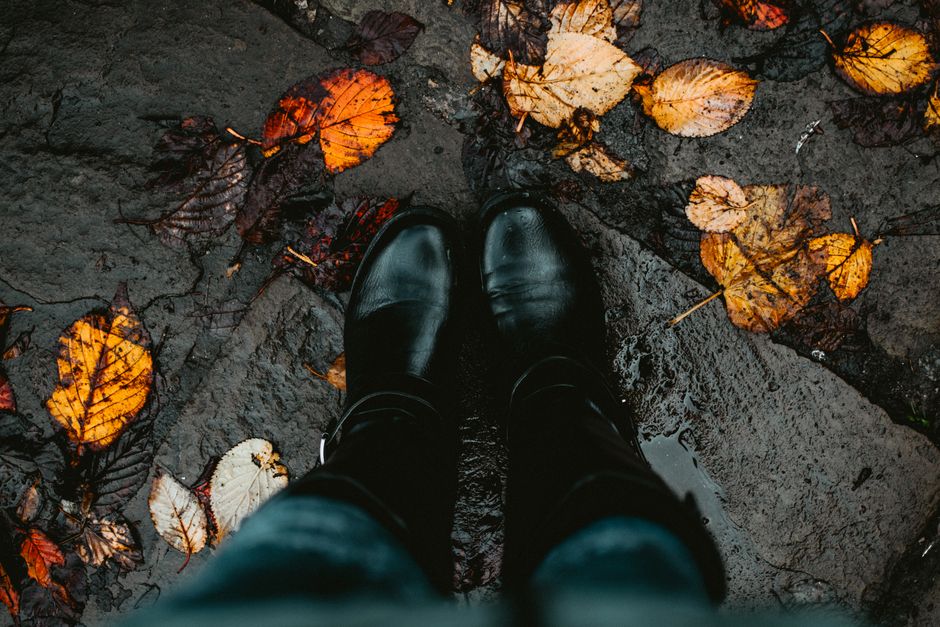
The Merrell Moab 3 is not innovative. It’s not exciting. It’s a brick of a boot that works. And for wet climates, that’s exactly what you want.
I wore these through three days of continuous rain in the Scottish Highlands. The leather upper soaked up water on the surface, but the Gore-Tex liner kept my feet bone-dry. The Vibram outsole gripped wet rock and mud-slicked grass without slipping. The toe cap is thick enough that you can kick a rock without feeling it.
The catch: the Moab 3 is heavy. At 482 grams per boot, you’ll feel every gram on a long day. The cushioning is firm—some people call it stiff. Break-in takes about 20 miles. If you want a boot that feels like a sneaker, this isn’t it.
When to buy the Moab 3: You’re carrying a heavy pack (over 30 lbs). You’re hiking technical terrain where you need ankle support. You want a boot that lasts two seasons of hard use. The Moab 3 is the most durable waterproof boot under $160.
When NOT to buy it: You’re a fast hiker who covers 20+ miles per day. You hate heavy footwear. You hike mostly on well-groomed trails. The weight will slow you down.
Salomon X Ultra 4: The Lightweight That Actually Stays Dry
I was skeptical of the X Ultra 4. A lightweight boot with a quick-lace system? Felt like a gimmick. Then I took them through the mud pits of the Pacific Northwest. They converted me.
The X Ultra 4 weighs 420 grams per boot. That’s 62 grams less than the Moab 3. On a 10-mile hike, that’s over a pound of weight you’re not lifting with each step. The Contagrip outsole has a specific lug pattern for wet surfaces—the chevron-shaped lugs push water out from under the boot. I tested them on wet sandstone and didn’t slip once.
The Quicklace system is polarizing. You tighten a single cord and lock it. It’s fast. But if the cord breaks—and I’ve seen it happen—you can’t replace it on the trail. Pack a spare lace. The boot also runs narrow. If you have wide feet, the Moab 3 is a better fit.
When to buy the X Ultra 4: You’re a day hiker or fastpacker. You cover 10-15 miles per day. You prioritize speed and weight over maximum durability. You want a boot that’s comfortable out of the box—zero break-in.
When NOT to buy it: You need a boot for extended backpacking trips with a heavy load. You have wide feet. You’re rough on gear and need something that survives rock scrambles. The X Ultra 4 is less durable than the Moab 3.
The Quest 4: The Salomon That Beats Both for Heavy Rain
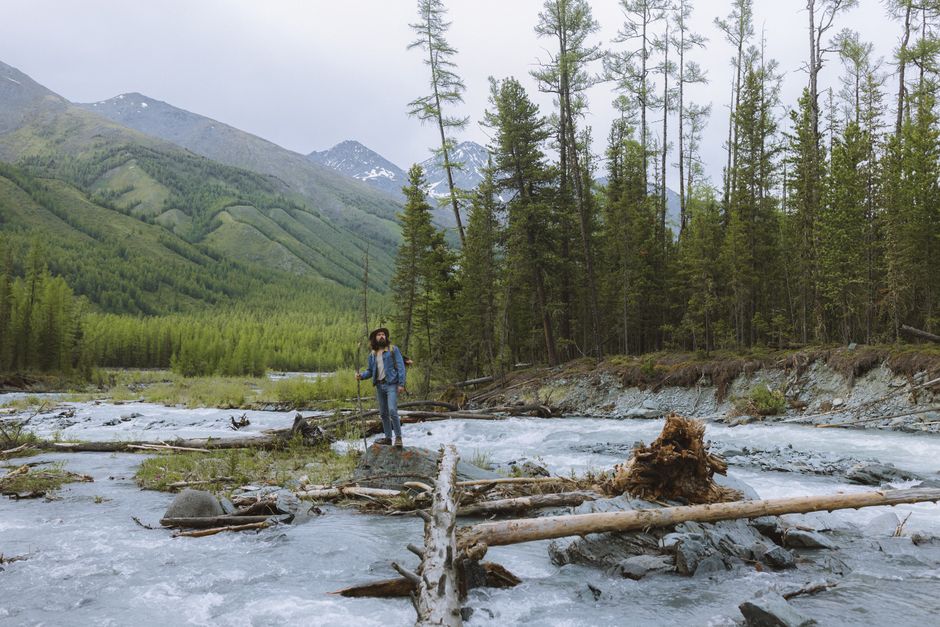
If you’re hiking in genuinely extreme wet conditions—monsoon season in Southeast Asia, winter in the UK, glacier runoff in Iceland—neither the Moab 3 nor the X Ultra 4 is the best choice. The Salomon Quest 4 GTX is.
The Quest 4 is a mountaineering-style boot built for wet, cold, and rugged. It has a 7-inch ankle height—an inch taller than the Moab 3. The Gore-Tex liner is thicker. The outsole is Contagrip MA with deeper lugs. The boot weighs 520 grams, but that extra weight buys you serious protection.
I wore the Quest 4 through a week of rain in Costa Rica’s cloud forest. Stream crossings up to ankle-deep? No water entry. Mud that would swallow a normal boot? The Quest 4’s higher collar kept debris out. The boot is stiff—break-in takes 30-40 miles—but once it molds to your foot, it’s the most secure feeling boot I’ve ever worn.
The tradeoff: The Quest 4 costs $230. It’s overkill for a weekend hike in moderate rain. It’s also heavy and warm—not ideal for hot, wet climates like the Amazon. For cold wet conditions (40°F and below), it’s the best boot Salomon makes.
Which Boot Should You Buy in 2026?
Here’s the short version.
- For 90% of hikers in wet climates: The Salomon X Ultra 4 Mid GTX is the best balance of weight, comfort, and waterproofing. It’s $175, it’s 420 grams, and it works out of the box. Buy it if you’re a day hiker or weekend backpacker who wants to move fast in the rain.
- For heavy loads and technical terrain: The Merrell Moab 3 Mid GTX is the durability king. It’s $150, it’s heavier, but it will outlast the Salomon by hundreds of miles. Buy it if you’re carrying 35+ pounds or hiking rocky trails where you need ankle protection.
- For extreme wet conditions (cold rain, snowmelt, glacier runoff): The Salomon Quest 4 GTX is the only choice. It’s $230, it’s heavy, but it’s the most waterproof boot in this comparison. Buy it if you’re hiking in serious weather and can’t afford wet feet.
One last thing: none of these boots will stay waterproof if you don’t clean them. Wash the mud off after every wet hike. Re-treat the leather every six months. A $150 boot that you maintain will outperform a $250 boot you abuse. Don’t be the person who blames the gear when the real problem is neglect.
Pick the boot that matches your hiking style. For most people, that’s the X Ultra 4. For the heavy hikers, it’s the Moab 3. For the extremists, it’s the Quest 4. Now go hike in the rain.