
A traveler arriving in Addis Ababa for the first time often experiences a sharp departure from their expectations of East African geography. Standing at an elevation of 2,355 meters (7,726 feet), the air is thin, crisp, and significantly cooler than the coastal plains of neighboring Djibouti or Somalia. This high-altitude reality dictates every aspect of Ethiopian travel, from the timing of the harvest to the accessibility of remote monastic sites. Determining the best time to visit Ethiopia requires a nuanced understanding of its complex topography, which ranges from 125 meters below sea level in the Danakil Depression to the 4,550-meter peak of Ras Dashen.
While many sub-Saharan destinations follow a predictable wet-and-dry cycle, Ethiopia’s size and verticality create distinct microclimates. A strategy that works for trekking the Simien Mountains in the north will be entirely unsuitable for exploring the tribal lands of the Omo Valley in the south. To maximize the utility of a visit, one must balance the desire for clear skies against the cultural significance of religious festivals, which often occur during transitional weather periods. This analysis breaks down the calendar year into functional segments based on meteorological data, logistical feasibility, and cultural value.
Understanding Ethiopia’s Three Meteorological Seasons
The Ethiopian climate is categorized into three primary seasons: the Bega (long dry season), the Belg (small rainy season), and the Kiremt (heavy rainy season). For the vast majority of travelers, the Bega, which runs from October to February, represents the optimal window for exploration. During these months, the country experiences consistent sunshine and minimal precipitation, making it the peak season for tourism. The landscape remains lush and green immediately following the rains in October, providing the most photogenic conditions for the northern highlands.
The Belg season (March to May) introduces sporadic showers. While these rains are rarely heavy enough to derail travel plans entirely, they can make unpaved roads in the south difficult to navigate. Conversely, the Kiremt (June to September) brings intense rainfall, particularly to the highlands. During this period, many trekking routes in the Simien and Bale Mountains become treacherous or entirely inaccessible due to mud and low visibility. However, this is also the time when the Blue Nile Falls are at their most powerful, offering a trade-off for those willing to brave the damp.
| Month | Season | Avg. Temp (Addis) | Travel Conditions |
|---|---|---|---|
| Oct – Feb | Bega (Dry) | 16°C – 18°C | Peak; clear skies, ideal for trekking and festivals. |
| Mar – May | Belg (Small Rains) | 18°C – 20°C | Shoulder; occasional rain, warmer temperatures. |
| Jun – Aug | Kiremt (Heavy Rains) | 15°C – 17°C | Low; heavy rain in highlands, lush green scenery. |
| September | Transition | 16°C | Excellent; rains subside, wildflowers bloom. |
When preparing for the varying temperatures of the highlands, technical layering is necessary. A high-quality rain shell is a prudent investment, even during the dry season, as mountain weather remains unpredictable. The Patagonia Torrentshell 3L (approx. $179) is a recommended choice for its H2No performance standard, which provides exceptional waterproofing and breathability. While it can feel somewhat stiff compared to softshell alternatives, its durability against abrasive highland scrub is a significant advantage. For carrying gear across uneven terrain, the Osprey Farpoint 40 (approx. $185) remains a standard-setter. Its harness system is robust enough for long walks between transport hubs, though users should note the limited number of external pockets for quick-access items.
Aligning Travel with the Ethiopian Orthodox Calendar
For many, the best time to visit Ethiopia is defined not by the weather, but by the liturgical calendar. The Ethiopian Orthodox Tewahedo Church follows the Coptic calendar, which places religious holidays on different dates than the Western Gregorian calendar. These festivals are massive, colorful, and deeply moving spectacles that transform cities like Lalibela, Gondar, and Aksum. If a trip coincides with these events, it is essential to book accommodation and domestic flights at least six months in advance, as capacity is reached rapidly.
Timket (Ethiopian Epiphany) – January 19
Timket is arguably the most significant festival in the country, commemorating the baptism of Jesus in the Jordan River. The most iconic celebrations occur in Gondar, where the 17th-century Fasilides’ Bath is filled with water for a communal reenactment of the baptism. Thousands of pilgrims dressed in white shamma robes gather to witness the Tabots (replicas of the Ark of the Covenant) being carried in procession. The photographic opportunities are unparalleled, particularly during the dawn ceremonies. To capture these moments, a versatile camera body like the Sony Alpha a7 IV (approx. $2,498) is highly effective. Its 33MP sensor and advanced real-time eye autofocus ensure sharp images in the low-light conditions of early morning rituals. A potential drawback for some users is the complex menu system, which requires a learning curve before the trip.
Meskel (Finding of the True Cross) – September 27
Meskel occurs just as the rainy season ends, coinciding with the blooming of the yellow Meskel daisies across the highlands. The festival is centered around the burning of a large bonfire, known as a Demera, topped with a cross. The largest celebration takes place in Meskel Square in Addis Ababa, but the atmosphere in rural villages is often more intimate and authentic. Because this festival marks the transition to the dry season, it is an excellent time to begin a longer trekking itinerary, as the air is clear and the ground is starting to firm up.
Genna (Ethiopian Christmas) – January 7
Genna is most famously celebrated in the rock-hewn churches of Lalibela. Thousands of white-clad worshipers descend into the trenches surrounding the churches, creating a sea of devotion that spills out into the surrounding hills. Unlike the Western focus on gift-giving, Genna is a somber and spiritual event focused on prayer and a traditional game similar to field hockey, also called Genna, which is said to have been played by the shepherds on the night of Jesus’ birth.
Regional Nuances: From the Simien Mountains to the Danakil Depression
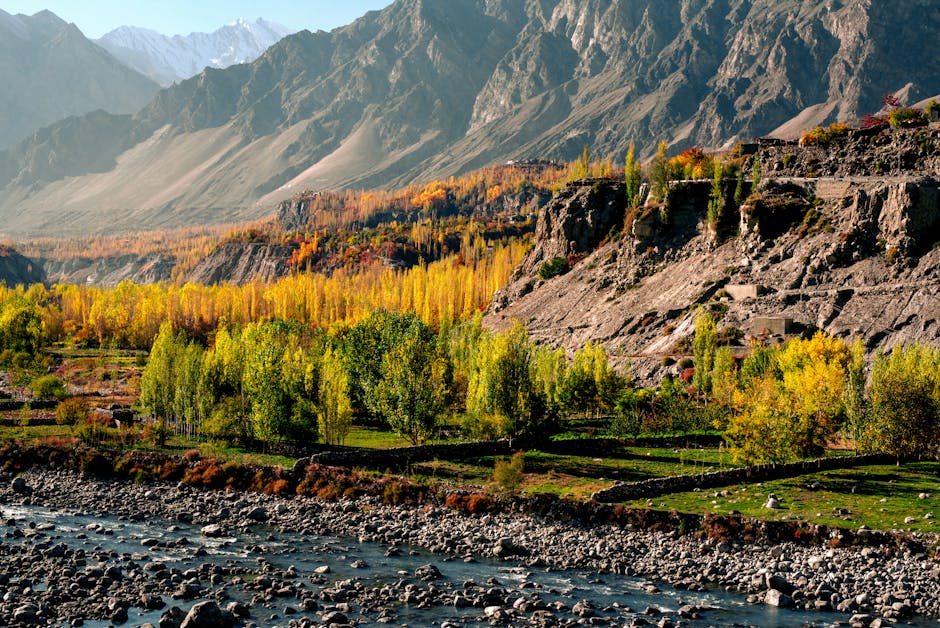
Ethiopia is a land of extremes, and the “best time” varies wildly depending on which corner of the country is being prioritized. The northern circuit, including the historical sites of the Tigray region and the Simien Mountains, is best served by the October to March window. During these months, the night temperatures in the mountains can drop below freezing, but the daytime skies are almost perpetually blue, providing the visibility required for the dramatic escarpment views that define the region.
Note: The Danakil Depression is one of the hottest places on Earth. Visiting outside the window of November to February is not recommended for most travelers, as temperatures regularly exceed 45°C (113°F).
In contrast, the Omo Valley in the south has a different rainfall pattern. The main rains here fall in April and May, with a shorter rainy season in October and November. Heavy rain in the Omo Valley is more than just an inconvenience; it can turn the black cotton soil into an impassable sludge, effectively cutting off access to many of the ethnic villages that travelers come to visit. Therefore, the best time for the south is June to September or December to March. During these drier windows, the dirt tracks are navigable, and the weekly markets—the heartbeat of the region—operate at full capacity.
Logistical preparation for these diverse regions involves managing both connectivity and finances. For mobile data, an Airalo eSIM (prices vary, typically ~$15 for 3GB) is a convenient way to maintain a basic connection in urban centers like Addis Ababa or Bahir Dar, though coverage in the deep south or the Danakil will be non-existent. For financial transactions, using a multi-currency card from a provider like Wise or Revolut is advisable to manage the official exchange rate and minimize ATM fees. While Ethiopia is still largely a cash-based economy, these cards offer better security and lower conversion costs than traditional bank cards when paying for mid-to-high-end hotels or domestic flights with Ethiopian Airlines.
Strategic Planning for an Ethiopian Itinerary

Once the timing is selected, the physical execution of the trip requires attention to detail regarding health and transport. Ethiopia is a massive country, and while the domestic flight network is excellent, the road conditions vary. If visiting during the shoulder seasons (March or September), a 4×4 vehicle is mandatory for any travel outside the main asphalt highways. Travelers should also be aware that the high altitude of the northern circuit requires a period of acclimatization. It is recommended to spend at least two nights in Addis Ababa before heading to the higher elevations of Gondar or the Simien Mountains to mitigate the risk of altitude sickness.
- Health and Vaccinations: Consult a travel clinic at least eight weeks before departure. Yellow Fever certification is often required if arriving from a country with risk of transmission. Malaria prophylaxis is generally not needed in the high-altitude north but is essential for the Omo Valley and Gambella regions.
- Visa Requirements: Most nationalities can obtain an e-visa through the official Ethiopian government portal. Ensure you use the official site (evisa.gov.et) to avoid inflated fees from third-party agencies.
- Domestic Flights: If you fly into the country with Ethiopian Airlines, you are eligible for significant discounts on domestic legs. This is the most efficient way to cover the vast distances between the historic sites of the north.
- Packing for Extremes: Even in the height of the dry season, the temperature variance is significant. A lightweight down jacket is essential for the highlands, while breathable, sun-protective clothing is required for the lowlands.
The decision of when to visit Ethiopia ultimately hinges on a hierarchy of priorities. If the goal is a comprehensive tour of the historic north and trekking in the Simiens, the November to January window is unbeatable. The air is clear, the festivals are frequent, and the temperature is manageable. For those focusing on the Omo Valley, the European summer months provide the dry weather necessary for road travel. Regardless of the chosen month, Ethiopia demands a level of flexibility and preparation that few other destinations require, but the reward is access to one of the most culturally distinct and geographically dramatic nations on the planet.
By aligning your visit with the end of the rains in late September or early October, you capture the country at its most vibrant. The fields are golden with Teff, the mountains are carpeted in yellow flowers, and the dust of the deep dry season has not yet settled over the landscape. It is a period of renewal that perfectly mirrors the spirit of the Ethiopian New Year (Enkutatash), making it an ideal starting point for any exploration of this ancient land.