Patagonia in winter isn’t a vacation. It’s a negotiation with wind, rain, and 40-degree temperature swings. Pack wrong and you’ll be cold, wet, or carrying a bag that weighs more than your dignity. I’ve been three times. Here’s exactly what goes in my bag and why.
The Three-Layer System Is Not Optional
Forget fashion. Patagonia winter is about managing moisture and heat. The three-layer system—base, mid, shell—is the only way to stay dry and warm without sweating yourself into hypothermia.
Base Layer: Merino or Synthetic, Never Cotton
Cotton kills in Patagonia. It soaks up sweat, stays wet, and pulls heat off your skin. Use merino wool or a synthetic blend. Icebreaker 200 Oasis ($90) is my go-to for the base layer. It doesn’t stink after a week and dries fast. For budget, the REI Co-op Midweight Base Layer ($45) works nearly as well.
Mid Layer: The Insulation Trap
Most people over-insulate. A thick puffy jacket under a shell makes you sweat, then you freeze when you stop moving. I use a Patagonia Nano Puff Hoody ($279). It’s 60g PrimaLoft Gold insulation—warm enough for 20°F while hiking, compresses to the size of a football. If you run cold, swap to a Mountain Hardwear Ghost Whisperer ($325, 800-fill down) but keep it dry. Down is useless wet.
Shell Layer: Wind and Water Proofing
Patagonia’s wind is the real enemy. A $200 rain jacket won’t cut it. You need Gore-Tex or an equivalent membrane. Arc’teryx Beta AR ($650) is overkill for most. The Marmot Minimalist ($250) uses Gore-Tex Paclite and handles 95% of Patagonia conditions. I’ve worn mine through horizontal rain on the W Trek. It held.
Footwear: The Single Most Common Mistake
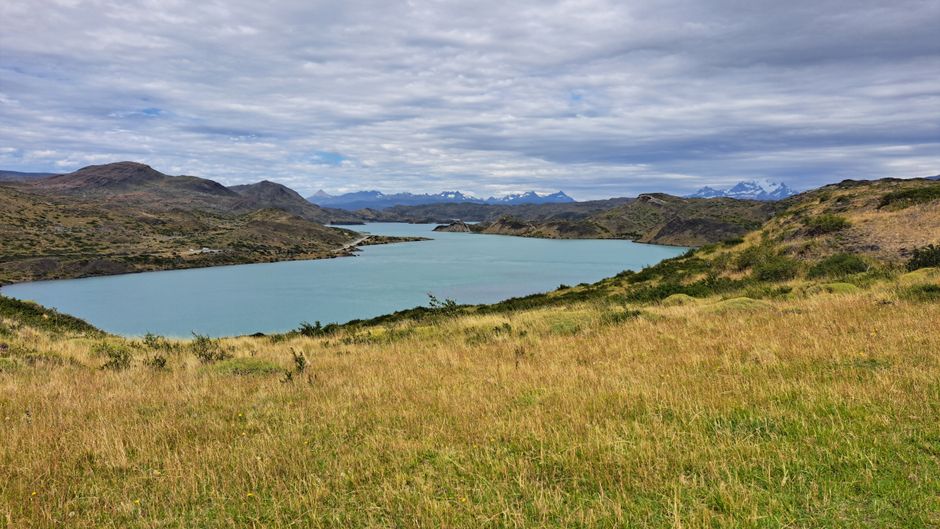
I see people on the trail in trail runners or fashion boots. They’re miserable. Patagonia trails are mud, rock, and stream crossings. You need ankle support and a stiff sole for scree.
My pick: Lowa Renegade GTX Mid ($260). Full-grain leather, Gore-Tex, Vibram sole. They’re heavy (2.2 lbs each) but I’ve never slipped in them. For lighter duty, Merrell Moab 3 Mid GTX ($150) is decent but wears out in one season. Darn Tough Hiker Micro Crew Cushion ($25) socks. Lifetime warranty. Buy three pairs. Rotate. Your feet will thank you.
Technical Accessories That Earn Their Weight
Don’t cheap out on gloves, hats, or neck gaiters. These small items make or break a day.
| Item | Model I Use | Price | Why |
|---|---|---|---|
| Gloves | Black Diamond Lightweight Wool | $40 | Touchscreen compatible, merino blend, not bulky |
| Hat | Smartwool Merino 250 Beanie | $28 | Warm, breathable, doesn’t itch |
| Neck Gaiter | Buff Merino Wool | $30 | Covers neck and face in wind, dries fast |
| Headlamp | Black Diamond Spot 400 | $50 | 400 lumens, waterproof, 6-hour battery on high |
Black Diamond Spot 400 headlamp is non-negotiable. Winter days end at 5 PM. You’ll hike in the dark. Don’t rely on your phone.
Packing Strategy: How to Fit 2 Weeks Into a Carry-On
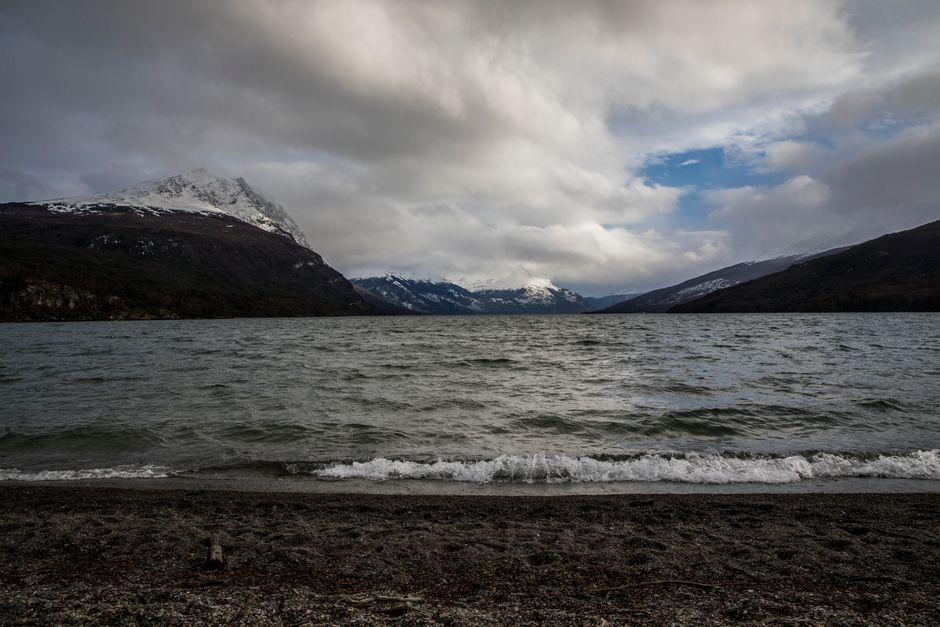
I use an Osprey Farpoint 40 ($185). It’s 40 liters, fits under most airline seats, and has a proper hip belt for carrying 20+ lbs. Here’s my exact packing list:
- 2 base layer tops (one worn, one spare)
- 1 mid layer (Nano Puff)
- 1 shell (Marmot Minimalist)
- 2 long-sleeve shirts for town (merino or synthetic)
- 1 pair hiking pants (Prana Stretch Zion, $89)
- 1 pair thermal leggings (for sleep and cold days)
- 3 pairs Darn Tough socks
- 1 pair waterproof gloves
- 1 beanie, 1 Buff
- 1 pair sunglasses (polarized, $30 cheap pair—you’ll lose them)
- Toiletries: travel-size Dr. Bronner’s, sunscreen, lip balm with SPF
- Electronics: phone, Sony WH-1000XM5 ($350), charging cables, 10,000mAh power bank
That’s it. Wash your base layer in a sink with Dr. Bronner’s every third day. It dries in two hours.
Electronics: What You Actually Need vs. What You’ll Leave in the Hostel
You don’t need a laptop, a camera, or a Kindle. You need a phone, noise-canceling headphones, and a power bank. Patagonia hostels and refugios have limited outlets. A 10,000mAh Anker PowerCore ($26) charges your phone twice. That’s enough for 4 days between towns.
The Sony WH-1000XM5 ($350) is the best noise-canceling headphone. Period. On the bus from Puerto Natales to Torres del Paine (3 hours of gravel road noise), they cut the rumble to nothing. Battery life is 30 hours with ANC on. They fold flat. I pack them in a padded case clipped to my backpack strap.
Skip the camera unless you’re a pro. An iPhone 15 Pro takes photos good enough for Instagram. I’ve seen people hauling DSLRs and tripods. They regret it on the first uphill mile.
When to Break the Rules and Pack Extra
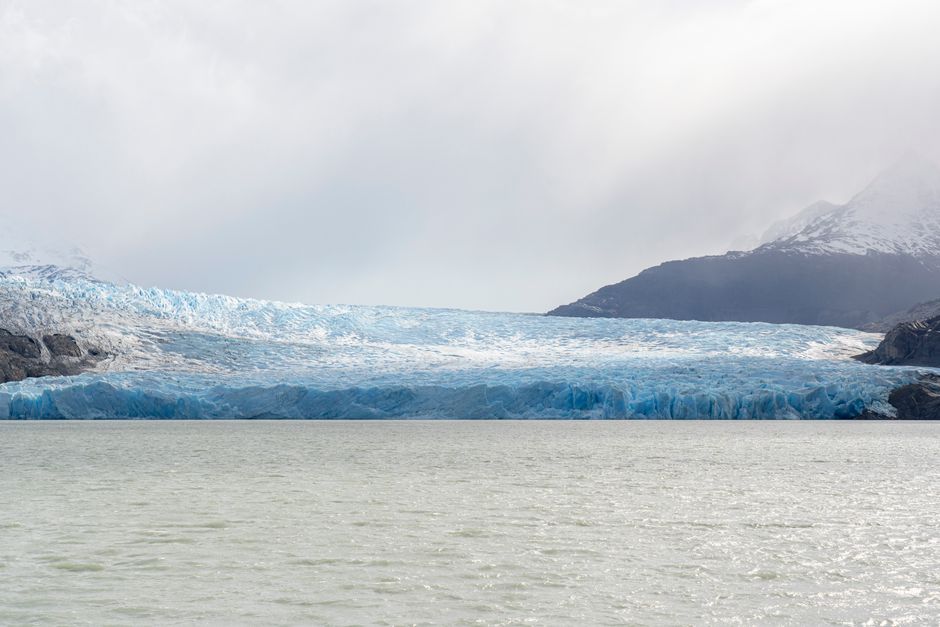
Some things are worth the weight penalty. If you’re doing the W Trek or O Circuit, bring a Sea to Summit Ultra-Sil Dry Sack ($25, 8 liters) for your sleeping bag. Condensation in refugios is real. A dry sleeping bag is a good night’s sleep.
Also pack a Platypus SoftBottle 1L ($12). It folds flat when empty. Water sources are everywhere in Patagonia. You don’t need to carry 3L of water. Fill up at streams (treat with Aquatabs or a SteriPen if you’re paranoid).
One luxury I allow: a Therm-a-Rest Z Lite Sol ($45) foam pad. It’s bulky but weighs only 14 oz. Refugios have mattresses, but they’re thin. The pad adds warmth and comfort. I sleep better, hike harder.
Common Mistakes That Wreck Patagonia Trips
I’ve made every mistake so you don’t have to.
Mistake 1: Overpacking clothes. You wear the same three layers every day. Nobody cares. Patagonia is not a fashion show. Packing extra shirts means a heavier bag and sore shoulders.
Mistake 2: Not testing gear before the trip. New boots cause blisters. New rain jackets leak if you don’t test the zippers. Wear everything for a week at home. Hike in rain. Sit in a cold room. Find the weak spots.
Mistake 3: Ignoring the wind. A windbreaker is not a shell. Patagonia wind hits 50 mph regularly. Your breathable softshell won’t stop it. You need a hard shell with pit zips for venting.
Mistake 4: Forgetting sunscreen and lip balm. The ozone hole over southern Chile is real. You’ll burn in 20 minutes on a glacier. I use Supergoop Play SPF 50 ($20). It’s water-resistant and doesn’t sting eyes. Lip balm with SPF 30 is mandatory. Cracked lips in cold wind are a special kind of misery.
Patagonia winter isn’t a gear test. It’s a discipline test. Pack light, pack smart, and the landscape will reward you. The rest is just stuff.