You’ve seen the TikTok clips: a bowl of noodles for $0.50, a beach bungalow for $10 a night. But that was 2019. By 2026, the math has shifted. I spent six weeks tracking real prices across Thailand, Vietnam, Laos, and Cambodia — not what the blogs from 2026 say, but what you’ll actually pay today.
Here’s the short answer: yes, it’s still affordable compared to Europe or North America. But the gap is narrowing. A daily budget of $25–$35 is realistic if you’re smart. If you’re careless, you’ll spend $50+ without noticing. This article breaks down where the money goes, what’s changed, and how to keep your trip cheap without sleeping in a ditch.
What $30 Actually Buys You in 2026 — Country by Country
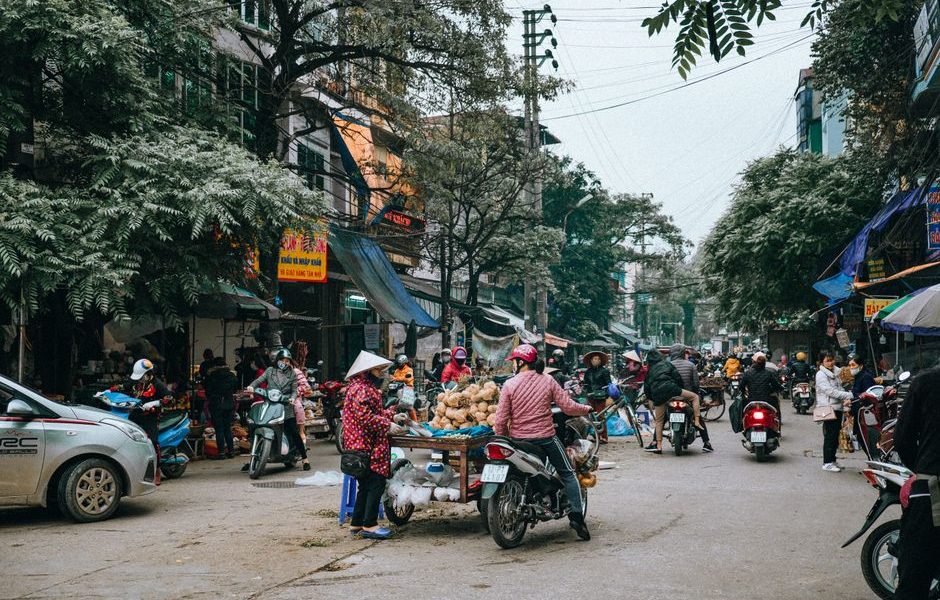
The biggest mistake backpackers make is assuming every country costs the same. They don’t. Thailand’s popular islands now price a dorm bed at $12–$18. In rural Laos, the same bed is $4. Here’s the real breakdown from my notebook.
| Country | Dorm bed (avg) | Street meal | Local beer | Daily budget (low) |
|---|---|---|---|---|
| Thailand (Bangkok/Phuket) | $14 | $2.50 | $1.80 | $35 |
| Thailand (Chiang Mai/Pai) | $8 | $1.80 | $1.20 | $25 |
| Vietnam (HCMC/Hanoi) | $6 | $1.50 | $0.80 | $22 |
| Laos (Luang Prabang/Vang Vieng) | $5 | $1.20 | $0.70 | $20 |
| Cambodia (Siem Reap/Phnom Penh) | $6 | $1.50 | $0.90 | $22 |
Notice the pattern. Thailand’s tourist hubs are 40% more expensive than Vietnam or Laos. If your budget is tight, skip Phuket and Koh Samui. Head to Chiang Mai or Pai in the north. Vietnam still delivers the best value for food and accommodation by a clear margin.
The Three Biggest Budget Killers (and How to Avoid Them)
Backpackers don’t go broke on noodles. They go broke on three things: transport, tours, and alcohol. Here’s the ugly truth.
Transport: The Hidden Tax
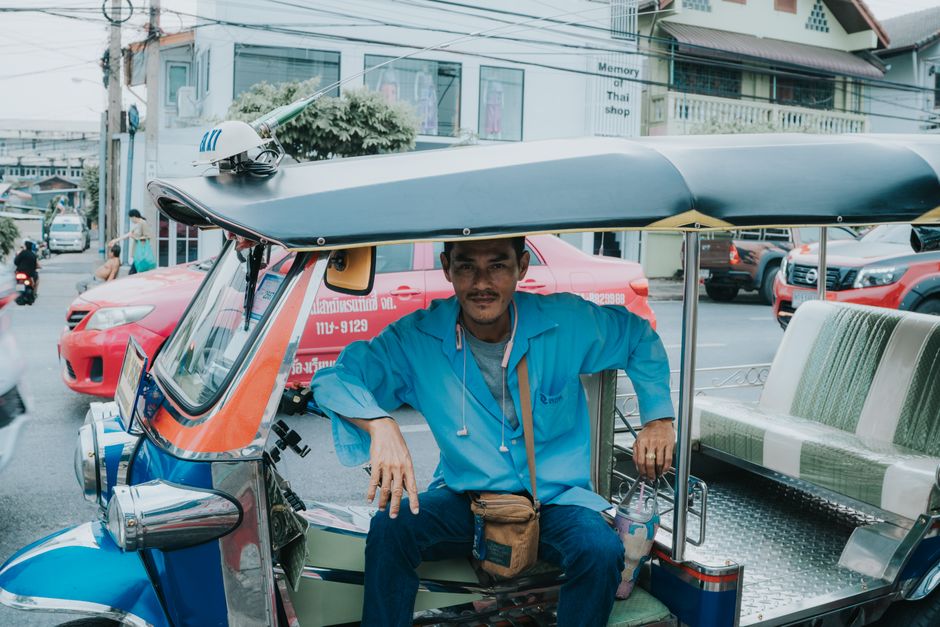
A 12-hour overnight bus from Bangkok to Chiang Mai costs $18–$25. That’s fine. But a last-minute flight from Bangkok to Krabi? $60. A private taxi from the airport to your hostel? $15. These add up fast. Book buses and trains 48 hours ahead on 12Go or Baolau. Never take a taxi without Grab or a fixed meter — tuk-tuks in Bangkok will quote you triple the real fare.
Tours: The Overpriced Shortcut
“Ha Long Bay 2-day cruise” — $120. That same bay on a local boat with no English guide? $25. The difference is a buffet meal and a kayak. Skip the packaged tours. Rent a scooter in Vietnam for $5/day. Take a local ferry in Thailand for $3. You lose nothing but a laminated name tag.
Alcohol: The Silent Leak
One beer in a Bangkok rooftop bar is $8. One beer at a 7-Eleven is $0.80. Multiply that by 30 nights. Pre-drink from the convenience store. It’s not glamorous, but it saves you $150 over a month. If you’re on a $30/day budget, that’s five days of free accommodation.
Where the 2026 Money Pit Is — And It’s Not Hostels
Everyone worries about accommodation. That’s wrong. Hostel prices have risen maybe 15% since 2026. The real spike is in visa fees, SIM cards, and laundry — the boring stuff nobody budgets for.
Thailand’s visa exemption for many nationalities ended in 2026. You now pay $30 for a 60-day tourist visa (or $50 for a multiple-entry). Vietnam’s e-visa is $25. Laos charges $35 on arrival. That’s $90 before you’ve eaten a single meal.
SIM cards: a 30-day data plan in Thailand from AIS costs $12. In Vietnam, Viettel is $8. Buy at the airport kiosk, not the random stall in Khao San Road. The airport price is regulated. The stall will sell you a 7-day card for the same price.
Laundry: $1.50–$2 per kilo. Sounds cheap. But if you’re there for three weeks, that’s $15–$20. Hand-wash your clothes in the sink every third day. It’s not hard.
The One Thing You Should Actually Spend Money On
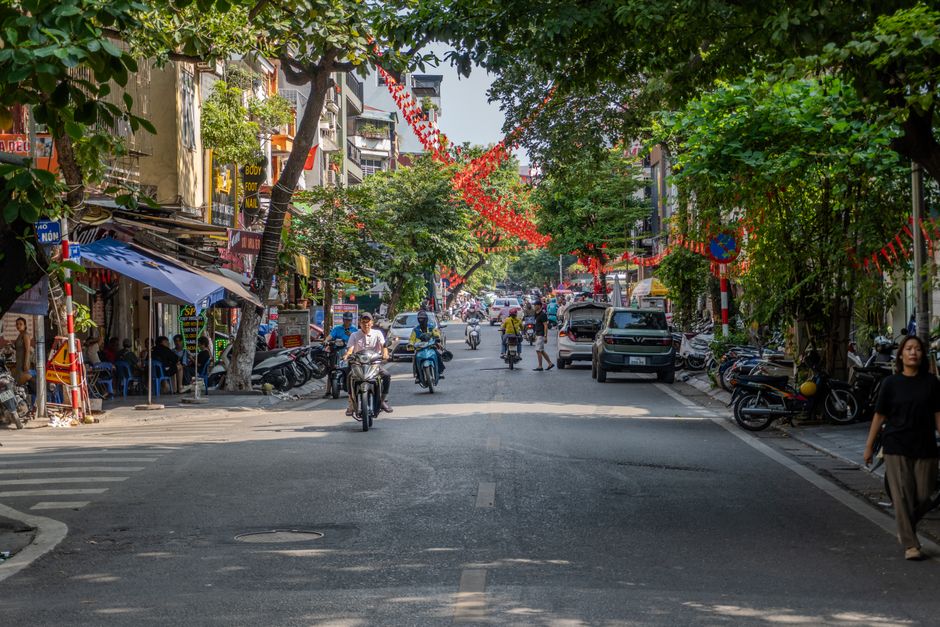
I’ll be direct: a good travel insurance policy is not optional in 2026. Medical costs in Southeast Asia are not what they were. A motorbike accident in Vietnam without insurance? You’re looking at $5,000–$10,000 for hospital care. A serious one? Evacuation to Bangkok could cost $25,000.
Backpackers skip insurance because they think nothing will happen. Then they crash a scooter in the rain. I’ve seen it happen to three people in six weeks. One guy broke his collarbone on a rented Honda Win in Pai. His hospital bill was $2,800. His insurance — a World Nomads policy for $120 — covered every cent.
Look for a policy that covers motorbike riding (with a valid license), scuba diving to 30 meters, and emergency evacuation. SafetyWing and World Nomads both offer these. Premiums vary by your home country, age, and trip length. Get multiple quotes. Don’t buy the cheapest one — check the fine print on adventure sports exclusions. Some policies won’t cover you if you’re riding a bike over 125cc without a motorcycle endorsement.
When the Budget Dream Dies — Three Common Mistakes
Most budget blowouts aren’t bad luck. They’re predictable errors. Here are the three I see most often.
Mistake 1: Booking accommodation day-of in high season. December in Thailand? Hostels in Krabi jump from $8 to $25. Book three weeks ahead on Hostelworld or Agoda. Lock in the price before demand spikes.
Mistake 2: Eating at tourist street stalls. Khao San Road pad thai is $4. Walk two blocks to a local market and it’s $1.50. Same dish. Same quality. The tourist tax is real.
Mistake 3: Taking cash out at airport ATMs. The exchange rate is fine. The ATM fee is $6 per withdrawal. Take out $300 at once to avoid paying that fee five times. Or bring a fee-free debit card like Charles Schwab (US) or Starling (UK).
The Honest Verdict: Still Worth It, But Not for Everyone
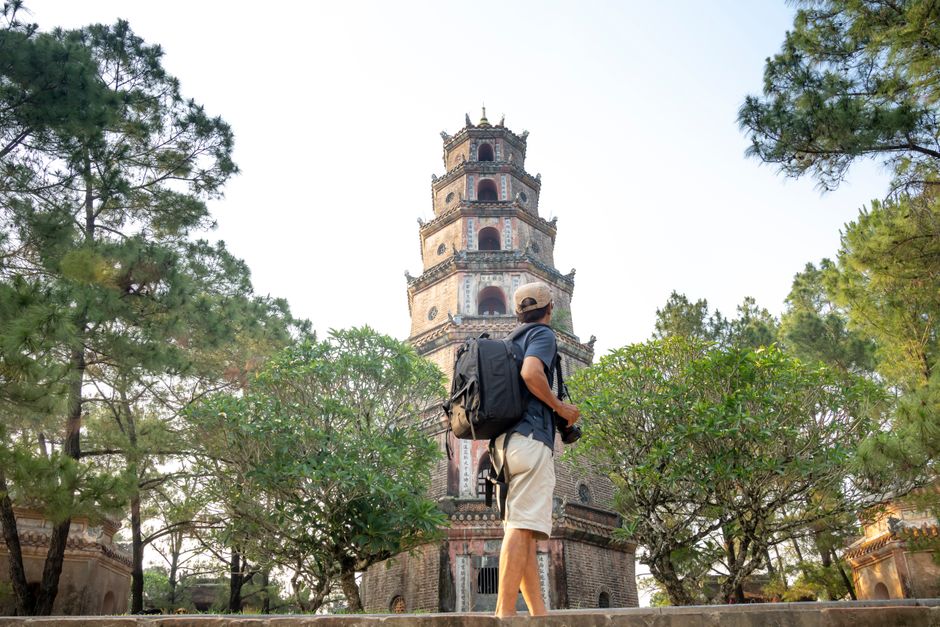
Southeast Asia in 2026 is not the $15/day paradise of 2015. That version is gone. But it’s still cheaper than anywhere in Europe, North America, or Australia. A month in Vietnam costs what a week in London costs.
If you’re a broke student or a first-time backpacker, start in Vietnam or Laos. Skip Thailand’s islands on your first trip. Save them for when you have a bigger budget or less time. If you’re a digital nomad with a decent income, Thailand’s north (Chiang Mai) is still the best value for co-working spaces and cheap rent — a private room with AC and fiber internet runs $250–$350/month.
For anyone on a strict budget: carry a reusable water bottle with a filter (Grayl or LifeStraw). That saves you $1/day on plastic bottles. Eat where locals eat. Walk instead of taking tuk-tuks. And for the love of everything, get travel insurance before you step on the plane.