
Apply at the embassy or consulate of the country where you will spend the most nights — not necessarily your first stop. That single rule causes more rejected applications than any other mistake. If you split your trip evenly between France and Italy, you apply at the French consulate if France gets one more night. No main destination? Apply at the country whose border you cross first.
This is not legal advice. Visa rules change. Always confirm current requirements with the specific embassy or consulate handling your application before paying any fees.
Most US green card holders and citizens of many non-visa-waiver countries need a Schengen visa. US citizens do not need one for stays under 90 days. But if you hold a US visa or green card with a passport from India, China, the Philippines, Turkey, Russia, or dozens of other countries, you likely need to apply. The process takes 15–45 days in most cases. Some consulates in New York and San Francisco have wait times stretching past 60 days during summer peak.
Which Schengen Country Should You Actually Apply Through?
The 90/180 rule governs how long you can stay. You get 90 days within any rolling 180-day window across the entire Schengen Area. That area now includes 27 countries — France, Germany, Italy, Spain, Portugal, Greece, Austria, Switzerland, the Netherlands, Belgium, Luxembourg, Denmark, Sweden, Norway, Finland, Iceland, Estonia, Latvia, Lithuania, Poland, Czech Republic, Slovakia, Hungary, Slovenia, Croatia, Malta, and Liechtenstein.
Your application must go to the country where you spend the most nights. Not the country with the cheapest flight. Not the country your friend recommended. The consulate will check your itinerary against your hotel bookings. If the math doesn’t work, you get a refusal letter and lose the non-refundable fee.
What if you have equal nights in two countries?
Apply at the country that is your first point of entry. Example: You fly into Amsterdam, spend 5 nights in the Netherlands, then 5 nights in Belgium. Equal split — you apply at the Dutch consulate because you land there first.
What if you’re visiting family?
If your host lives in Germany, apply at the German consulate even if you plan side trips to Austria and Switzerland. Your main destination is Germany. You’ll need a formal invitation letter (Verpflichtungserklärung) from your host in many cases, plus proof of their residence status.
Step-by-Step: The Application Timeline Most People Get Wrong

Start 3 to 4 months before your planned departure. Not 6 weeks before. Summer appointments at VFS Global centers in Houston, Chicago, and Washington DC fill up fast. Here’s the sequence that works:
- Month 1: Determine your main destination country. Book refundable flights and hotels. Yes, refundable — you need bookings to apply, but consulates know plans shift.
- Month 1–2: Complete the online application form for that specific country. Each country has its own portal. France uses France-Visas. Germany uses VIDEX. Spain uses BLS International. Italy uses VFS Global.
- Month 2: Pay the visa fee (€90 for adults, €45 for children 6–12, free for under 6). Book your biometric appointment at the correct visa application center.
- Month 2–3: Attend the appointment. Submit fingerprints and photo. They keep your passport during processing.
- Month 3: Wait 15–45 days. Track your application online. Collect passport or receive it by courier.
Some consulates let you apply up to 6 months ahead. Others cap it at 3 months. Check the specific consulate. Applying too early gets your application rejected administratively — not a visa denial, but you lose time.
Documents That Get Applications Denied — And How to Fix Them
The rejection rate for Schengen visas from US-based applicants hovers around 8–12% depending on country. Most denials come down to three document failures: insufficient proof of funds, weak ties to the US, or travel insurance that doesn’t meet requirements.
Proof of funds
You need to show you can cover the trip. The minimum varies by country. France typically requires €120 per day if you have no prepaid hotel. Germany asks for €45 per day. Italy wants €50 per day. Show 3 months of bank statements. Recent large deposits without explanation look suspicious — attach a note if your tax refund or bonus just landed.
Ties to the US
The consular officer wants evidence you’ll return. A US green card helps. An employment letter stating your position, salary, and approved leave dates is essential. Property deeds, lease agreements, and family ties add weight. A one-way flight reservation is a red flag. Always book round-trip.
Travel insurance
You need coverage of at least €30,000 for medical emergencies, hospitalization, and repatriation across the entire Schengen Area for your whole stay. Basic US health insurance doesn’t count. Companies like AXA Schengen, Allianz Travel, and SafetyWing sell policies that meet the requirements. A 10-day policy costs $25–$60 depending on age and coverage level.
| Requirement | Minimum Standard | Common Mistake |
|---|---|---|
| Passport validity | 3 months beyond planned departure from Schengen | Passport expires 2 months after return |
| Blank pages | 2 blank pages | Only 1 blank page left |
| Photo | 35x45mm, white background, taken within 6 months | US passport photo size (2×2 inches) |
| Bank statements | Last 3 months, showing regular income | Only a screenshot of current balance |
| Flight reservation | Round-trip or multi-city with confirmed booking reference | One-way ticket |
| Hotel bookings | Covering every night of the stay | Gaps between cities with no accommodation |
| Insurance | €30,000 minimum, valid in all Schengen countries | US health insurance only |
VFS Global vs BLS International vs Direct Consulate: The Real Differences
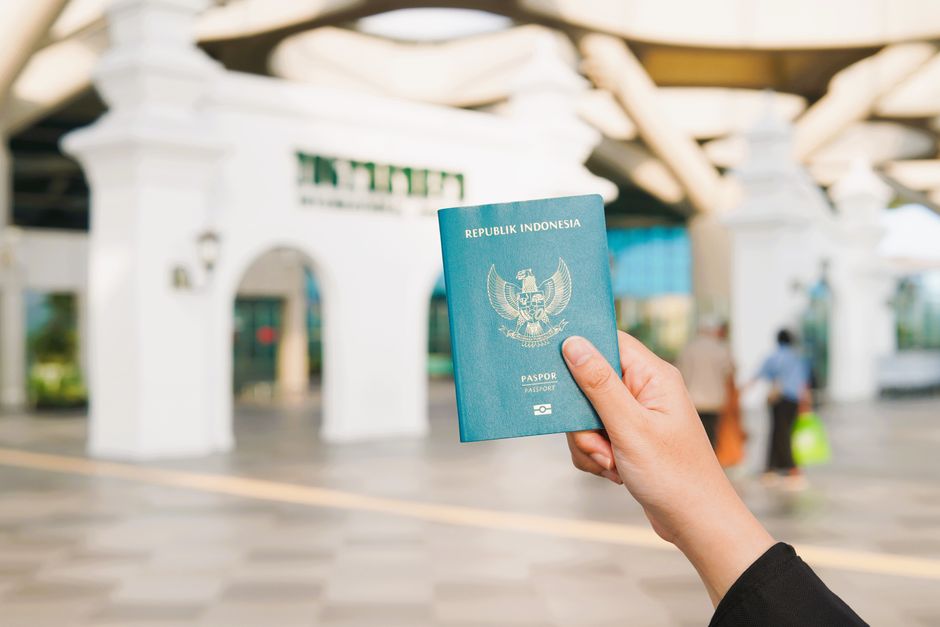
Most Schengen countries outsource visa processing to third-party centers. You rarely deal with the actual consulate. The two main operators in the US are VFS Global and BLS International. A handful of countries — Poland, Portugal in some cities — still process directly through consulates.
VFS Global handles Italy, France (some locations), Germany (some locations), Austria, Switzerland, the Netherlands, Norway, Sweden, and others. You pay a service fee on top of the visa fee — typically $35–$50. VFS centers exist in New York, Washington DC, Boston, Chicago, Houston, Miami, Los Angeles, San Francisco, and Seattle.
BLS International handles Spain, Portugal, and a few others. Their service fee runs $25–$40. BLS has fewer locations — major hubs only. If you live in Denver or Phoenix, you may need to travel to a different city for your appointment.
Direct consulate applications sometimes skip the service fee but require booking through a separate system. Poland’s consulates in Chicago, New York, and Los Angeles use e-Konsulat. Appointments open in blocks and disappear within minutes during peak season.
Here’s the thing: the visa decision comes from the consulate, not from VFS or BLS. Those companies just collect documents and biometrics. A VFS employee cannot tell you whether your application will be approved. Don’t pay extra for “premium” services that promise faster decisions — they only expedite the appointment slot, not the processing.
What Happens After You Submit: Processing Times and Tracking
Standard processing takes 15 calendar days. In practice, expect 3 to 6 weeks during summer and before major holidays. Some applications get routed for additional review — that can stretch to 45 days. If your application takes longer than 45 days, contact the consulate directly, not the visa center.
You can track your application on the VFS or BLS website using your reference number. Status updates are vague: “under process,” “dispatched,” “ready for collection.” A “dispatched” status doesn’t tell you if you’re approved. You find that out when you open your passport.
If approved, check the visa sticker carefully. Verify the dates, the number of entries, and the validity period. A single-entry visa means you cannot leave and re-enter the Schengen Area. A multiple-entry visa allows re-entry within the validity window. Errors happen. If the dates are wrong, you must return the passport for correction before travel.
If denied, you get a standard refusal form. The most common reasons: “justification for the purpose and conditions of the intended stay was not provided” or “reasonable doubt as to your intention to leave the territory before the expiry of the visa.” You can appeal, but appeals take months and rarely succeed without new evidence. A fresh application with corrected documents usually works faster.
When You Should NOT Apply for a Schengen Visa

If you hold a passport from the US, Canada, UK, Australia, Japan, South Korea, Brazil, Mexico, or any EU country, you don’t need a Schengen visa for stays under 90 days. You enter visa-free. The upcoming ETIAS system — expected to launch in 2026 — will require visa-exempt travelers to register online before travel. It costs €7 and takes minutes. But it’s not a visa.
If your trip involves only the UK and Ireland, you don’t need a Schengen visa. Those countries are not in the Schengen Area. You need separate UK and Irish visas if required for your nationality.
If your stay exceeds 90 days — for study, work, or long-term family visits — you need a national visa from that specific country, not a Schengen visa. Different application, different requirements, longer processing. Don’t try to stretch a Schengen visa beyond 90 days. Overstaying triggers entry bans and fines.
If you’re transiting through a Schengen airport without leaving the international zone, you generally don’t need a visa. Some nationalities require an airport transit visa — check before booking.
Bottom line: the Schengen visa process from the US is bureaucratic but predictable. Apply early, apply through the right country, show clean financials, and book refundable everything. The approval rate for well-prepared applications is high. The people who get denied are usually the ones who guessed instead of checking.