Are you trying to decide between Gondar and Lalibela for Timkat? I would choose Gondar for the strongest festival atmosphere, and Lalibela for the most powerful setting. The right choice depends on what you want to understand, not just what you want to photograph.
What happens at Timkat in Ethiopia?
Timkat is the Ethiopian Orthodox celebration of the baptism of Jesus Christ in the River Jordan. It is not a staged show for visitors. The crowds, chanting, incense, processions, and water ceremony belong to a living religious tradition practiced across Ethiopia and inscribed by UNESCO as intangible cultural heritage.
Ketera is the night before the main festival
On Ketera, priests and worshippers carried a church’s tabot toward a pool, river, or prepared body of water. A tabot represents the Ark of the Covenant and remains covered during the procession. The journey is accompanied by prayer, drums, singing, dancing, and ceremonial umbrellas.
The tabots remain near the water through the night. Many worshippers attend prayers and liturgy until the early morning. Visitors often focus on the colourful clothing, but the night vigil is the part that explains the festival’s meaning. This is a pilgrimage and a communal act of faith before it becomes a public spectacle.
The water ceremony happens before the crowds disperse
Before or around sunrise, clergy bless the water and sprinkle it over the congregation. Some worshippers enter the water as a symbolic renewal of baptismal vows. Timkat does not mean that every visitor should jump into the pool, and it is not a recreational swim. The ceremony ends with the tabots returning to their churches in procession, often accompanied by singing, dancing, and large crowds.
My advice is simple: watch first, copy nothing, and follow the movement of local worshippers. If a cordon, tent, or group of clergy blocks your path, that boundary matters more than a better photograph.
Gondar or Lalibela: which Timkat is better?
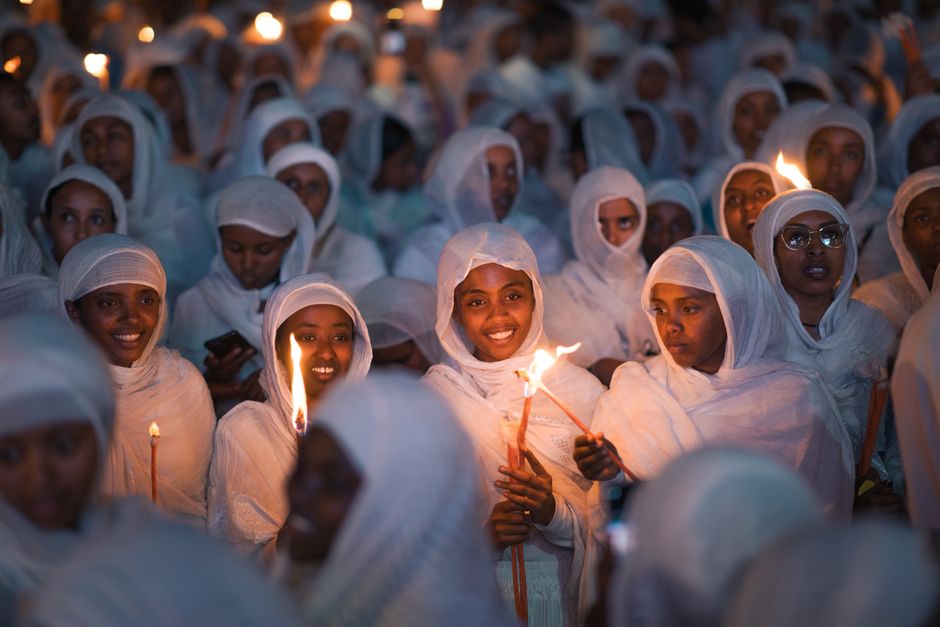
Gondar is my clear pick for first-time visitors who want the most recognizable Timkat experience. Lalibela wins if sacred architecture and a smaller, more intimate setting matter more to you than the largest public gathering.
| Factor | Gondar | Lalibela |
|---|---|---|
| Main setting | Fasilides’ Bath and the historic royal compound | Rock-hewn churches and the Timkat pool near the religious quarter |
| Best for | Large processions, public energy, and dramatic water rituals | Church history, stone architecture, and a more concentrated pilgrimage atmosphere |
| Festival feel | Broad, crowded, noisy, and visually huge | Dense, spiritual, and closely tied to the medieval church complex |
| Planning pressure | Very high demand around January 18 and 19 | Very high demand, with limited accommodation in a smaller town |
| Extra days justify | Royal enclosure, Debre Berhan Selassie, and nearby historic sites | Full church complex, tunnels, courtyards, and surrounding highland scenery |
Choose Gondar for the major public spectacle
Gondar’s ceremony centres on Fasilides’ Bath, a stone pool built during the reign of Emperor Fasilides. The setting gives the festival a strong visual identity: clergy, umbrellas, white shawls, chanting, and a huge congregation gathered inside and around a historic royal site. Gondar also gives you more room to build a history-focused trip around the festival.
The tradeoff is crowd pressure. Roads, hotels, restaurants, and viewpoints become busy. Do not expect to walk casually into the best position at the last minute. If your priority is to feel the scale of Ethiopian public religious life, Gondar is the winner.
Choose Lalibela for sacred history and atmosphere
Lalibela is the better choice for travellers who want Timkat connected to a remarkable religious landscape. The processions move through the town’s rock-hewn church complex, and the ceremony feels closely linked to the daily life of priests and pilgrims. The architecture changes the way you experience the event: stone walls, carved passages, and courtyards create a more enclosed and intense setting.
Lalibela is not automatically quieter. Its small size can make the crowds feel tighter, and accommodation sells out quickly. Choose it because the churches matter to you, not because you expect an empty alternative to Gondar.
How should you plan a three-day Timkat visit?
Plan around the ceremony first and sightseeing second. Timkat runs on religious time, not on the schedule printed in a standard day tour. The exact local program can vary, so ask your hotel, guide, or parish contact for the current meeting points.
Build the itinerary around the eve, not just the main day
Arrive at least one full day before Ketera if flights and road conditions allow. The eve is when the tabots leave their churches, and missing it means missing half of what makes Timkat meaningful. For Gondar, I would allow three nights minimum: one for arrival and orientation, one for Ketera, and one for the main ceremony. For Lalibela, I would allow four nights because the town is smaller and transport disruptions can remove a whole day.
Do not schedule a long transfer on January 19. You cannot sensibly attend a pre-dawn ceremony, wait through the processions, and then make a comfortable intercity connection. Domestic flights may be full, roads may be crowded, and vehicles may not reach the centre of town during closures. Keep the day local.
Pack for cold mornings, dust, and long standing periods
January mornings in the northern highlands can feel cold before sunrise, even when the afternoon is warm. Wear layers, closed shoes with grip, and clothing that covers the shoulders and knees. A light scarf is useful for dust, sun, and respectful entry into churches. Bring a small water bottle, but keep your bag compact because crowds make large backpacks awkward and intrusive.
Use a waterproof cover for your phone and camera, but do not treat the water ceremony as a photo opportunity you are entitled to enter. Ask before photographing clergy, children, or anyone in prayer. I would rather return with fewer images than spend the day pushing between worshippers.
Check transport and safety information close to departure
Conditions in northern Ethiopia can change quickly. Check current government travel advice, airline notices, local hotel updates, and road information before leaving Addis Ababa. A route that appears straightforward on a map may not be practical during a major festival or during regional disruption. For this trip, a reputable local guide is worth paying for because the guide can explain where visitors may stand, which areas are closed, and when it is sensible to leave the crowd.
What mistakes should visitors avoid at Timkat?
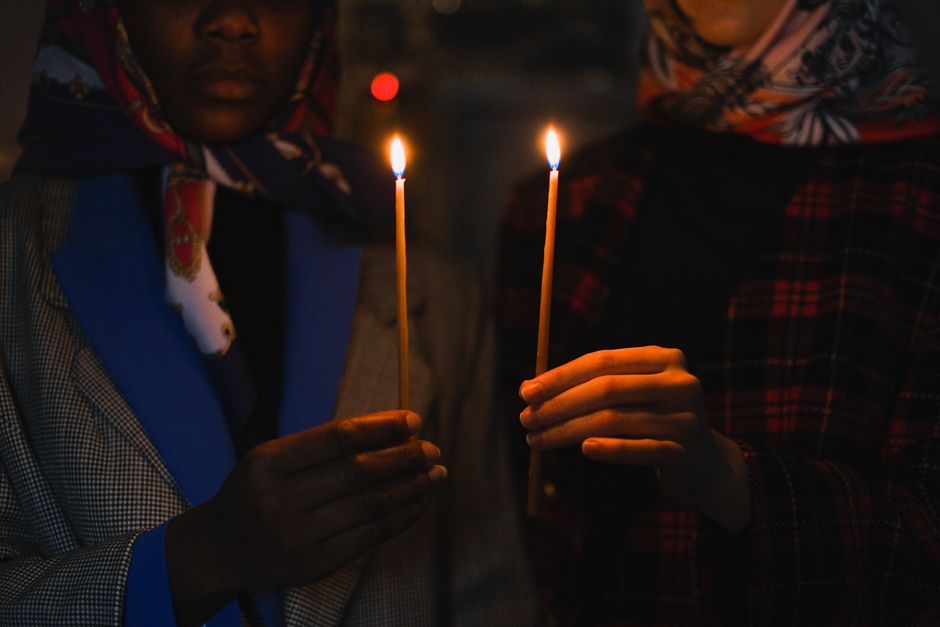
My strongest recommendation is to behave like a guest at a religious ceremony, not like a customer at a cultural performance.
The mistakes that cause the most trouble
- Arriving only on January 19. The eve procession and overnight prayers are central to Timkat. Arriving for one morning gives you the most crowded part and removes much of the context.
- Standing in front of a tabot. The tabot is sacred and covered for a reason. Never touch it, block its path, or step under a ceremonial cloth to get a photograph.
- Wearing beach clothing. Shorts, bare shoulders, and see-through clothing are poor choices around churches and clergy. Pack trousers or a long skirt and a shirt that covers your shoulders.
- Using a drone or large camera rig without permission. A raised camera can obstruct a procession and create tension. Ask local officials or your guide before using specialist equipment.
- Assuming the water ceremony is a tourist attraction. Do not enter a pool because other people are entering it, and do not splash strangers for a dramatic image. The ritual belongs to the faithful.
- Relying on a last-minute hotel. Gondar and Lalibela fill quickly around Timkat. A cheap room far from the centre may also mean difficult transport when roads close.
The respectful way to photograph
Stay at the edge of the movement and let the procession pass. Use a small camera or phone, lower it during prayer, and accept no when someone turns away. Ask before making a portrait, especially when photographing a priest, a family, or a child. If local worshippers are singing or dancing, watch their cues rather than treating every gesture as an invitation.
These choices do not make the trip less exciting. They let you see more because people are less likely to view you as an obstacle.