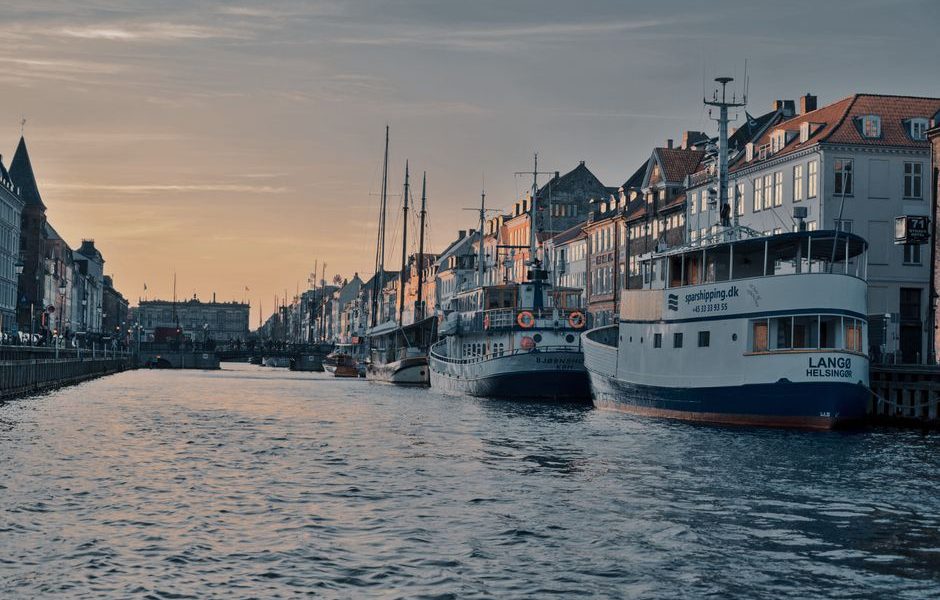
You arrive in Copenhagen at 3:30 p.m., your gloves are damp, daylight is fading, and the canal photographs you planned now look less inviting than a warm café. January can still be an excellent time to visit, but the trip needs a daylight-first plan and realistic expectations about weather, opening hours, and costs. No U.S. state law governs a Danish museum visit; local Danish rules and venue terms control.
Is Copenhagen worth visiting in January?
Yes, if you want a quieter design and food city rather than a long outdoor sightseeing season. January is not the right month for guaranteed snow, late sunsets, or a full calendar of amusement-park attractions. It is the right month for museums with breathing room, candlelit restaurants, bakery stops, and neighbourhoods that feel lived in rather than staged for visitors.
What January weather actually feels like
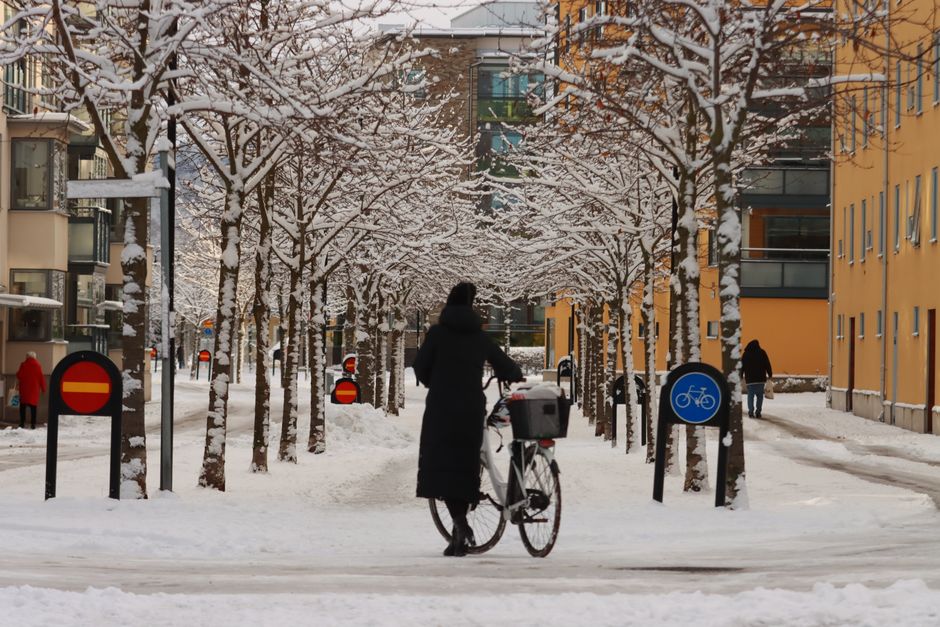
Copenhagen’s January averages sit close to 2°C, with average daytime temperatures around 1.9°C and nighttime temperatures around -2°C. Those figures do not capture the wind and damp air coming off the harbor. A dry 2°C afternoon can feel manageable; a wet, windy afternoon beside the water can cut through a thin coat within minutes. Snow is possible, but it is not a reliable feature of the trip and often does not remain on the ground for long.
Daylight is the harder limit. In early January, sunrise comes after 8:30 a.m. and sunset arrives around 4 p.m. By late January, the city gains useful light on both ends of the day. Schedule outdoor walks between roughly 10 a.m. and 3 p.m., then move indoors before the cold turns the evening into an endurance exercise.
What hygge means on the ground
Hygge is not a themed attraction or a requirement to buy a candle. In practical terms, it is the deliberate choice to make a dark, cold day pleasant through warmth, food, soft light, and company. That can mean a long lunch of smørrebrød, coffee and a cardamom bun, or an unhurried hour in a quiet bar after a museum visit.
The best January plan leaves empty space. Do not stack four ticketed attractions into one day just because the city centre is compact. A better sequence is one outdoor route, one serious indoor visit, and one meal chosen for atmosphere. That rhythm gives the weather somewhere to go without taking over the trip.
How much time and money does a January day need?
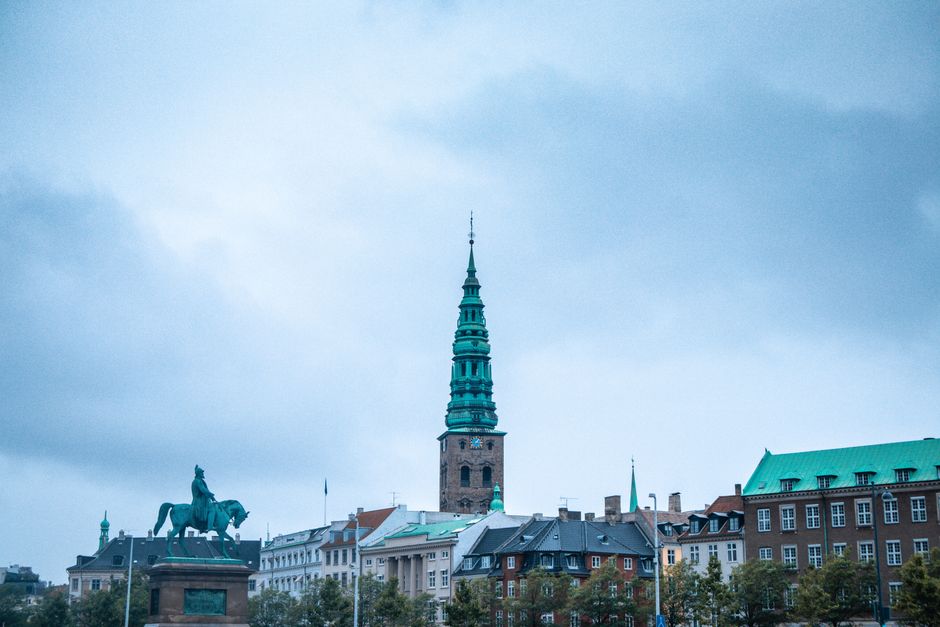
A three-day stay gives a first-time visitor enough room for the historic centre, one design-focused day, and a slower neighbourhood afternoon.
| Day | Morning | Afternoon | Evening | Planning figure |
|---|---|---|---|---|
| 1 | Nyhavn, Amalienborg exterior, harbor walk | Christiansborg or the National Museum | Warm dinner near the centre | 5–7 km walking; keep 2 hours indoors |
| 2 | Designmuseum Danmark at opening | Frederiksstaden and a café break | Nørrebro dinner or bakery crawl | Designmuseum adult ticket: 140 DKK |
| 3 | Rosenborg area and the Round Tower | Christianshavn or an indoor food market | Early final meal before departure | Use a transit pass only if leaving the centre |
When the Copenhagen Card earns its price
It includes access to more than 80 attractions and public transport across the Capital Region, including travel to and from the airport. It is a strong choice for a packed day containing several paid sights, a canal tour, and a regional trip.
It is a poor purchase for a slow weekend built around free streets, cafés, and one museum. The less expensive 24-hour City Pass Small starts at 100 DKK for adults, according to the official public-transport price page. The practical test is simple: add the admissions you will actually use, then add transport. Buy the card only when that total beats 589 DKK.
What a design visit costs
Designmuseum Danmark lists adult admission at 140 DKK, admission for visitors under 27 or students at 90 DKK, and free admission for children under 18. Its normal hours are Tuesday to Sunday from 10 a.m. to 6 p.m., with Thursday opening until 8 p.m. Check the museum’s official opening and admission page before setting out, since exhibitions and holiday hours can change.
How should you dress and move through the city?
Pack for wet wind, not for a postcard version of Scandinavia. The best winter outfit is practical enough for an hour beside the harbor and presentable enough for a restaurant.
A five-part January packing list
- Start with a close-fitting merino or synthetic base layer. Cotton holds moisture and becomes cold once damp.
- Add an insulating middle layer, such as a wool jumper or fleece. A bulky fashion sweater without a windproof outer layer does little beside the water.
- Use a waterproof, windproof coat with a hood. A short city jacket leaves the lower back exposed when cycling or walking into headwinds.
- Wear shoes with grip and enough room for thick socks. Smooth leather soles become unpleasant on wet cobblestones, even without ice.
The transport mistake that wastes the most energy
Do not cross the city repeatedly just to follow a list of famous names. Group stops by district. Nyhavn, Amalienborg, Frederiksstaden, and Designmuseum Danmark work well together. Christianshavn and the Church of Our Saviour belong on another route. Nørrebro deserves its own half-day if you want independent shops, food, and a less polished view of the city.
Cycling remains part of Copenhagen’s identity, but January is not the month to rent a bike automatically. A confident urban cyclist may enjoy it in daylight and dry weather. A visitor unused to winter cycling should walk and use the metro instead. Slippery roads, dark commutes, and unfamiliar cycling lanes create more stress than they save.
Which Copenhagen design route is worth your January afternoon?
Choose the museum-and-neighbourhood route over a shopping-only afternoon. Copenhagen’s design culture makes more sense when you see the objects, the buildings, and the daily spaces together. A furniture shop can show you a beautiful chair; a museum can explain why its shape, materials, and use mattered.
Start with Designmuseum Danmark
Arrive close to 10 a.m. and allow at least 90 minutes. The museum’s Danish Modern displays connect furniture, craft, and functionalism, which gives context to names such as Arne Jacobsen, Hans J. Wegner, and Verner Panton. The point is not to memorize designers. Look for recurring choices: honest materials, restrained decoration, human scale, and objects designed for repeated daily use.
The museum shop and café can be visited without paying for the exhibition areas, which makes them useful warm-up or recovery stops. Thursday evening hours are particularly helpful in January because they place the indoor visit after the shortest part of the day.
Continue through Frederiksstaden and the old centre
Walk from the museum toward Amalienborg, then continue to the harbor or Kongens Nytorv. Notice the contrast between historic stone façades and newer buildings designed around public movement and light. Stop for a coffee before you start shopping. Danish design is expensive, and a warm pause makes it easier to decide if an object deserves luggage space.
If you plan several paid attractions, compare the route with the official Copenhagen Card Discover prices. For a design-focused day with one museum and mostly walking, buying individual tickets is the clearer choice. For two days of museums, palaces, and public transport, the 48-hour card is the better bet.
What commonly goes wrong in Copenhagen in January?
Will Tivoli Gardens be open?
Usually not for a normal January visit. Tivoli typically closes after its Christmas season and reopens around Easter, although its exact calendar changes. Do not build an itinerary around the park until the official dates are confirmed. If Tivoli is the main reason for your trip, December or the spring reopening is a safer choice.
Can a visitor rely on snow?
No. Treat snow as a bonus rather than a planning assumption. Waterproof shoes, a windproof coat, and indoor alternatives matter more than finding a white landscape. The official winter guidance from Visit Copenhagen also advises visitors to prepare for cold, wet, and changeable conditions.
Should you buy a city card before planning the route?
No. Plan the route first. The common mistake is buying a pass because it sounds convenient, then discovering that the trip consists mostly of free walks, cafés, and one museum. The opposite mistake is buying individual tickets for three museums, a palace, and a canal tour when the Copenhagen Card would have cost less. Count actual admissions, check current opening days, and make the purchase last.
The strongest January plan is a three-day stay with one major indoor anchor each day, outdoor walks during daylight, and enough time for food and warmth. For a first visit, choose Designmuseum Danmark, use individual tickets for a relaxed itinerary, and buy the 48-hour Copenhagen Card Discover only when your confirmed museums and regional transport push the total above 859 DKK.