Zion National Park, with its towering sandstone cliffs and the Virgin River carving through the landscape, draws an incredible number of visitors. Did you know that while the park sees over 5 million people annually, a significant majority—often more than 90%—confine themselves to just a 15-mile stretch of the scenic drive? This intense concentration means that timing your visit becomes . Choosing the “best” time isn’t a simple answer; it’s a careful negotiation between crowd levels, the whims of Southern Utah’s weather, and the specific activities you hope to experience.
Spring vs. Fall: The Perennial Debate
Many experienced Zion visitors will tell you the shoulder seasons, spring and fall, offer the sweet spot. These periods provide more moderate temperatures and fewer crowds than the summer peak, but each shoulder season has its own distinct personality and trade-offs.
Spring’s Allure: Water Levels and Wildflowers
Spring in Zion, generally from March through May, is a season of rebirth and dramatic contrasts. Temperatures are pleasant, ranging from daytime highs of 60-80°F (15-27°C) and nighttime lows in the 40s (4-9°C). This period sees the desert bloom, with vibrant wildflowers dotting the canyon floor and clinging to the cliffsides. The air feels crisp, and the sun, while strong, isn’t yet oppressive.
However, spring also means snowmelt from the higher elevations, which significantly impacts the Virgin River. This is crucial for anyone dreaming of hiking The Narrows. In early spring, particularly March and early April, the river flow can be very high, often exceeding 150 cubic feet per second (cfs), which triggers mandatory closures for safety. By late April and May, the flow typically subsides enough for the Narrows to reopen, but the water remains cold—around 40-50°F (4-10°C). Specialized gear like canyoneering shoes, neoprene socks, and a walking stick are essential for comfort and stability in the frigid, often swift-moving water. Flash flood potential, while lower than in summer, still exists and requires constant vigilance of weather forecasts.
Trails like Angels Landing, while often open, can still have icy patches in shaded areas early in the season, particularly on the chains section. Always check the park’s current conditions before heading out.
Fall’s Appeal: Golden Cottonwoods and Cooler Air
Fall, spanning roughly September through November, presents a different kind of magic. The intense summer heat gives way to wonderfully mild days, with daytime temperatures mirroring spring, typically 60-80°F (15-27°C). The evenings become genuinely cool, sometimes dipping into the 30s (0-4°C) by late October and November. This period sees the Virgin River’s cottonwood trees transform into brilliant shades of gold and orange, creating a stunning visual contrast against the red rock.
Crowds are still substantial in September and early October, especially on weekends, though they begin to taper off significantly by late October. The Narrows is generally at its most accessible and enjoyable during this time. The water levels are typically lower and warmer than in spring, making for a less strenuous, though still challenging, experience. The risk of flash floods is also lower as summer monsoon season wanes, but never zero.
One major advantage of fall is the stability of conditions. Snow and ice are rare until late November, meaning most trails, including the iconic Angels Landing (which now requires a permit via lottery), are fully open and generally dry. For photography enthusiasts, the golden light of autumn days hitting the canyon walls is simply unparalleled.
| Feature | Spring (March-May) | Fall (September-November) |
|---|---|---|
| Average Day Temp. | 60-80°F (15-27°C) | 60-80°F (15-27°C) |
| Crowd Levels | Moderate to High (increasing) | High (Sept/Oct), Moderate (Nov) |
| The Narrows | High flow/cold water (early); Open but cold (late) | Lower flow/warmer water; Excellent conditions |
| Wildflowers/Foliage | Wildflowers bloom | Golden Cottonwoods (Oct/Nov) |
| Flash Flood Risk | Moderate (snowmelt) | Lower (post-monsoon) |
| Trail Conditions | Potential for ice/snow (early) | Generally dry and clear |
Summer in Zion: Navigating Peak Season Heat and Hordes
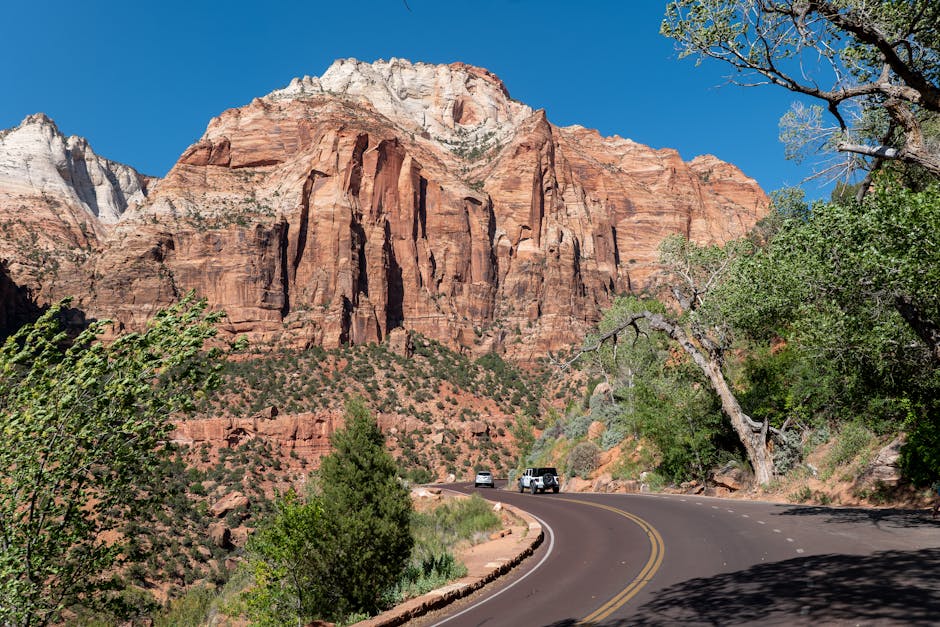
Summer, from June through August, is Zion’s busiest season, and for good reason: school holidays align with the warmest weather, making it accessible for many families. However, this popularity comes with significant drawbacks: extreme heat and massive crowds. Daytime temperatures frequently soar above 100°F (38°C), and the canyon offers little shade during midday. This is also the heart of monsoon season, bringing an elevated risk of sudden thunderstorms and flash floods.
Dealing with summer in Zion requires a strategic approach. Here are key considerations:
- Prioritize Early Mornings and Late Evenings: Best Times for Trails
Forget sleeping in. To beat both the heat and the worst of the crowds, you need to be on the first shuttle or at a trailhead requiring private vehicle access (like Kolob Canyons or the Pa’rus Trail, which allows bikes) by sunrise. Popular hikes such as the Emerald Pools Trail, Observation Point (via East Mesa Trail), or the Pa’rus Trail are much more enjoyable before 9 AM and after 5 PM. Midday hiking, especially on exposed trails, is not only uncomfortable but genuinely dangerous due to heatstroke risk. Carry at least 3-4 liters of water per person for a moderate hike.
- Understand the Shuttle System Realities
During peak season, access to the main Zion Canyon Scenic Drive is restricted to the park’s mandatory shuttle system. The line for the shuttle at the Visitor Center can stretch for hours, even starting before dawn. Plan to arrive at the park gates before 6 AM to potentially catch one of the first shuttles, or be prepared for significant wait times. Parking lots, even outside the park in Springdale, fill up quickly and often incur fees. Once on the shuttle, expect it to be packed. Research the shuttle schedule and routes thoroughly beforehand. The last shuttle out of the canyon can also be a significant wait, so factor that into your return timing.
- Embrace Water Activities
Given the heat, any activity involving water becomes incredibly appealing. The Narrows, if open and safe from flash floods, is a prime summer destination. The Virgin River provides a constant cooling effect. Similarly, the Taylor Creek Trail in Kolob Canyons offers creek crossings that can be refreshing. Always check the flash flood potential before entering any slot canyon or riverbed. Rangers provide daily updates and warnings.
- Seek Higher Elevations
Areas like Kolob Canyons or the Kolob Terrace Road (leading to Lava Point) are at higher elevations and therefore offer cooler temperatures. While they are a drive from the main canyon, they can provide a welcome respite from the oppressive heat and crowds. The views are different but equally spectacular.
Winter’s Quiet Majesty: A Different Zion Experience
For those seeking solitude and a truly unique perspective of Zion, winter (December through February) is an unheralded gem. I strongly recommend considering a winter visit for anyone prioritizing tranquility over guaranteed full trail access. The park transforms under a blanket of snow, creating breathtaking vistas of red rock contrasted with white. Crowd levels plummet, the Zion Canyon Scenic Drive often reopens to private vehicles, and the air is crisp and clean.
Snowfall and Ice: Trail Closures and Gear Needs
Winter weather in Zion is variable. Snowfall is common, especially at higher elevations, but it typically melts quickly on the canyon floor. Temperatures average 40-50°F (4-10°C) during the day and drop below freezing at night. This means ice is a significant concern on shaded trails and north-facing slopes. Trails like the iconic Angels Landing and portions of the Emerald Pools Trail often become impassable due to ice, or at minimum, require specialized gear.
If you plan to hike in winter, carrying traction devices like microspikes or YakTraks is not optional; it’s a necessity for safety on potentially icy paths. Trekking poles provide added stability. The Narrows is generally closed due to extremely cold water temperatures and the increased risk of hypothermia. Even if technically open, attempting it requires full dry suits and specialized cold-weather canyoneering gear. Always check current conditions at the Visitor Center.
Accommodation and Park Access in Off-Season
One of the biggest advantages of winter is the reduced pressure on resources. Accommodation in Springdale becomes more readily available and often at lower prices. Restaurants are less crowded. Crucially, the mandatory Zion Canyon Shuttle System typically ceases operation from late November through early March (check exact dates annually). This means you can drive your private vehicle up the Scenic Drive, stopping at overlooks and trailheads at your leisure, a luxury only available during this off-season period. This freedom to explore at your own pace, combined with the dramatic scenery, makes winter an incredibly rewarding time for a specific type of traveler.
Zion’s Unique Challenges: Flash Floods, Rockfall, and Heatstroke

Visiting Zion, regardless of the season, means acknowledging and preparing for the park’s inherent natural challenges. These aren’t just minor inconveniences; they are serious hazards that can quickly turn a dream trip into a nightmare if ignored.
What is a flash flood and how do I avoid one?
A flash flood is a sudden, rapid surge of water down a narrow canyon or wash, often triggered by heavy rainfall far upstream. Zion’s geology, with its deep, narrow slot canyons and drainages, makes it highly susceptible. What starts as a small storm miles away can send a wall of water roaring through a canyon with little to no warning. You avoid them by checking the park’s official flash flood potential ratings daily. These are posted at the Visitor Center, ranger stations, and often online. Never enter a slot canyon or hike in a wash if the potential is moderate or high, or if there’s any rain in the forecast, even a light drizzle. If you hear thunder or see dark clouds, exit any narrow drainage immediately. It’s not worth the risk.
How do I prepare for extreme heat?
Extreme heat, common in summer, is a silent but deadly threat. Preparation is multifaceted: start hikes early in the morning before 8 AM, or late in the evening after 5 PM. Carry significantly more water than you think you need—a minimum of one gallon (3.8 liters) per person per day, more for active hiking. Drink frequently, even if you don’t feel thirsty. Wear wide-brimmed hats, sunglasses, and light-colored, loose-fitting clothing that wicks moisture. Take frequent breaks in any available shade. Know the symptoms of heat exhaustion (dizziness, nausea, headache, heavy sweating) and heatstroke (hot, red, dry skin; confusion; loss of consciousness; high body temperature)—the latter is a medical emergency requiring immediate attention.
Are there areas particularly prone to rockfall?
Yes, rockfall is a continuous natural process in Zion, especially after heavy rains, periods of freezing and thawing, or seismic activity. The towering sandstone cliffs are inherently unstable. Areas like the Weeping Rock trail (currently closed due to major rockfall events) and sections of the road near the tunnel are historically prone to falling debris. Always be aware of your surroundings, listen for unusual sounds, and avoid lingering directly under steep cliff faces if possible. Pay attention to park closures and warnings; they are in place for visitor safety.
My Verdict: The Shoulder Seasons are Unrivaled

While Zion offers unique experiences year-round, the undeniable sweet spot for most visitors lies squarely within the shoulder seasons. Both spring and fall strike the best balance between manageable crowds, comfortable temperatures, and open trails. Fall, specifically mid-October, often edges out spring for its more stable weather, warmer Narrows water, and breathtaking autumnal foliage.