Most people think you need to fight through tour groups at Kiyomizu-dera and Fushimi Inari to experience Kyoto. You don’t. The city has over 1,600 temples and shrines. Most visitors see the same 12. This itinerary skips the worst bottlenecks and strings together quiet neighborhoods, working temples, and small food alleys that actually feel like the Kyoto you imagined.
What Actually Counts as a “Hidden Gem” in Kyoto
Here’s the uncomfortable truth: no spot in Kyoto is truly undiscovered. The city hosts 50 million visitors a year. What changes is when you go and how deep you walk. A “hidden gem” in Kyoto means a place that’s empty at 8am but packed by 10am, or a temple that sits 15 minutes past the point where most tourists turn around.
Three things make a Kyoto spot quiet:
- Distance from a train station. If it’s more than a 10-minute walk from a station, tour groups thin out fast.
- No iconic photo. Places without a famous Instagram shot get skipped entirely.
- Entry fee. ¥300–¥600 filters out bus tours that only hit free spots.
You don’t need to go to obscure corners of the prefecture. You need better timing and slightly longer walks. That’s the whole strategy.
Day 1: Northern Kyoto’s Temple Circuit Without the Buses
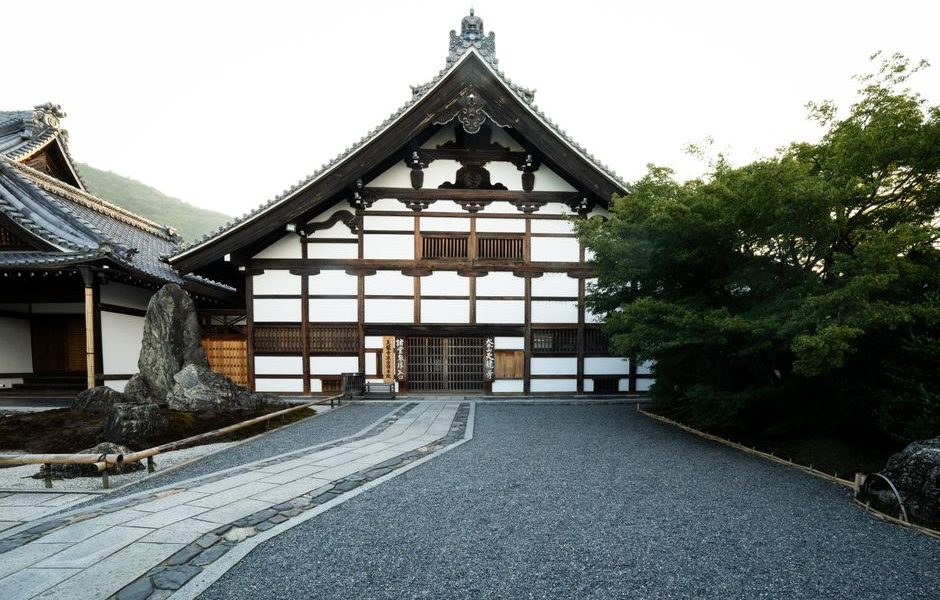
Start at Daitoku-ji, a sprawling Zen temple complex near Kitaoji Station. It’s not one temple. It’s 22 sub-temples behind a wall, and most visitors never enter more than two. The main path is free. Pay ¥400 to enter Daisen-in, which has a rock garden that rivals Ryoan-ji with about 2% of the crowd. You’ll often sit alone here before 9:30am.
Walk 15 minutes south to Imamiya Shrine, famous for aburi mochi—grilled rice cakes brushed with sweet miso. Two shops face each other at the gate: Kazariya and Ichiwa. Both have served the same dish for over 400 years. Pick whichever has fewer people. The mochi costs ¥600 for a set with tea.
End the day at Kamishichiken, Kyoto’s oldest geisha district and the least visited. It’s one street. You’ll see wooden teahouses, maybe a geiko walking to an engagement, and zero souvenir shops. Grab dinner at Nishijin Fujiyoshi, a tiny counter restaurant serving obanzai (Kyoto home cooking). Set meals run ¥2,500–¥3,500.
Day 2: Fushimi Inari Done Right, Then Sake
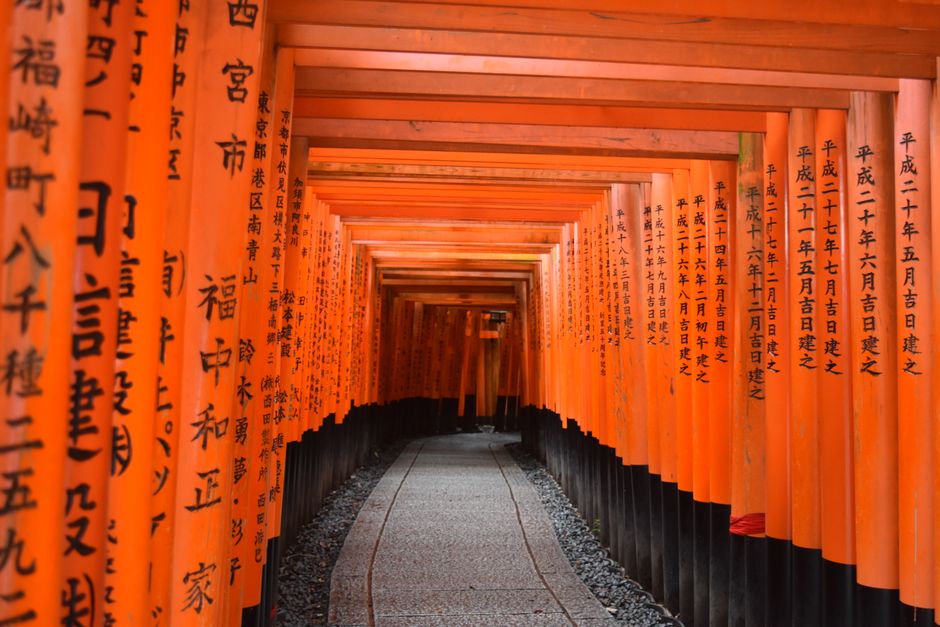
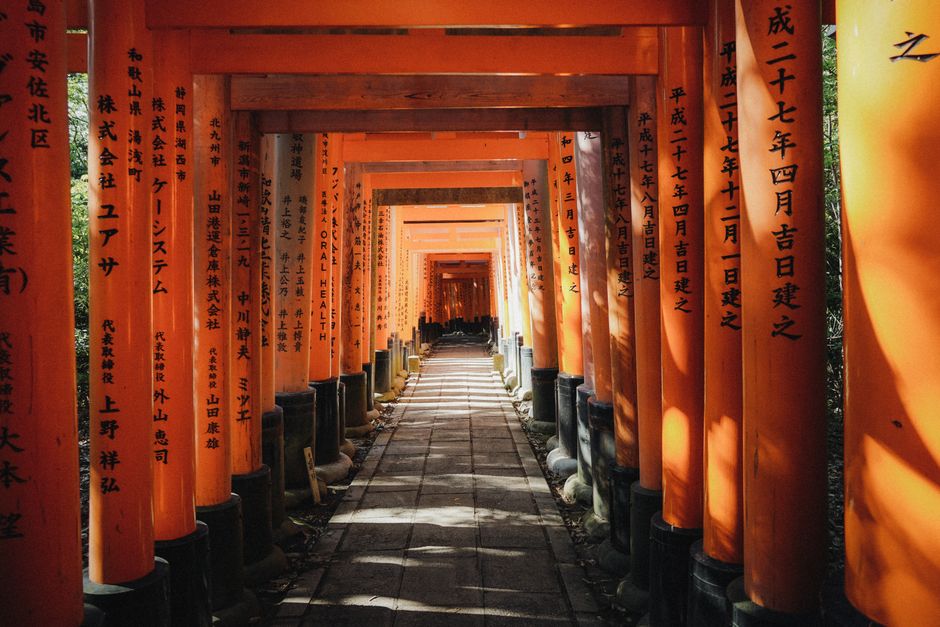
Everyone goes to Fushimi Inari. Almost nobody goes past the first 200 meters of torii gates. Here’s the move: arrive at 7:15am. Walk straight up the mountain. The full loop to the summit and back takes 2–2.5 hours. Past the halfway point, you’ll pass more wild boar warning signs than people. The upper trails are silent, shaded, and scattered with small sub-shrines that feel completely separate from the chaos below.
After you descend, skip the tourist food stalls at the entrance. Walk 10 minutes east to the Fushimi sake district. This area has 40+ breweries using the same soft groundwater that’s been brewing sake here for 500 years.
Two spots worth your time:
- Gekkeikan Okura Sake Museum (¥600) — 30-minute self-guided tour with a tasting of three sakes. Good intro if you know nothing about sake.
- Fushimi Sake Village — a food hall with 18 breweries on tap. Buy a tasting set of three 50ml pours for ¥1,200 and figure out what you like.
For a serious bottle to bring home, go to Yamamoto Honke, a small family brewery that’s been operating since 1677. Their Matsui Whisky is actually shochu, not whisky—but their junmai daiginjo is excellent at ¥2,800.
Day 3: The Arashiyama That Tourists Miss
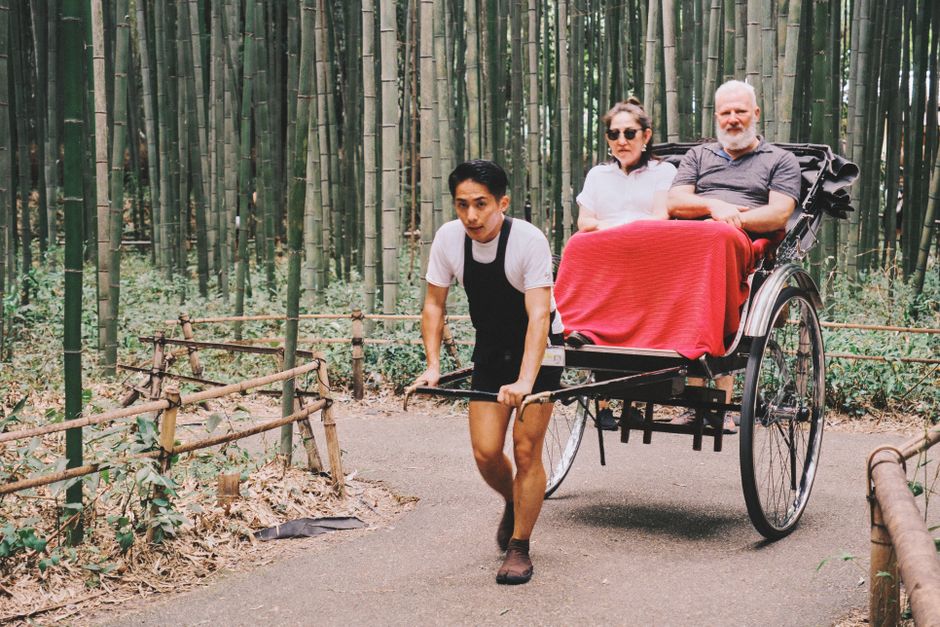
The bamboo grove is a 100-meter path. It’s crowded by 9am and empty at 7am. Go early, take your photo, then leave the main drag entirely. The real Arashiyama is north of the river.
Cross the Togetsukyo Bridge and turn left. You’ll pass Kameyama Park, then climb up to Okochi Sanso (¥1,000). This is the former villa of a 1920s film actor, and the entry fee includes matcha and a sweet served on a terrace overlooking the city. The garden is one of the best in Kyoto. Most people balk at the price and skip it. That’s exactly why you should go.
Continue north to Adashino Nenbutsu-ji, a temple built around 8,000 stone statues placed for souls without families. It’s quiet, mossy, and slightly eerie in the best way. The adjacent Saga Toriimoto Preserved Street is a row of thatched-roof buildings that looks like a film set but actually has working tea houses and restaurants.
Where to Eat in Arashiyama Without Waiting in Line
Skip the famous soba shops near the station. Instead, walk to Taisho Hanana, a small udon shop on a residential side street 8 minutes from the bamboo grove. Their curry udon costs ¥1,000 and comes with a soft-boiled egg. You’ll sit next to locals on lunch break, not tour groups.
Day 4: Central Kyoto’s Working Neighborhoods
Central Kyoto is where the city actually lives. Start at Nishiki Market at 9am—before the crush. It’s a 400-meter covered arcade with 130 food stalls. Buy small things: a ¥300 skewer of tamagoyaki, a ¥500 cup of dashi, a ¥350 mochi from Konnichiwa. Don’t eat a full meal here. Snack your way through.
Then walk 10 minutes to Sanjo-kai Shotengai, a covered shopping street that tourists walk past but rarely enter. This is where you’ll find Ogawa Coffee (founded 1952), knife shops like Aritsugu (selling blades since 1560), and small kimono fabric stores. Aritsugu will engrave a knife with your name for free. A basic santoku runs ¥8,000–¥12,000.
For dinner, skip Pontocho’s tourist row and go to Kiyamachi-dori one street over. Sumibi Torito serves yakitori in a room that seats maybe 14 people. Skewers are ¥180–¥500. Order the tsukune (chicken meatball) and the hiza nankotsu (knee cartilage—trust me, it’s good).
Day 5: The Philosopher’s Path, But Actually Quiet
The Philosopher’s Path is a 2km canal walk between Ginkaku-ji and Nanzen-ji. In cherry blossom season it’s a wall of people. In any other season, it’s a pleasant walk that most people rush through in 20 minutes. Slow down.
Start at Ginkaku-ji (¥500) when it opens at 8:30am. The silver pavilion is smaller and subtler than Kinkaku-ji, and the moss garden is the real draw. Walk south along the canal, but detour into Honen-in, a temple with a thatched gate and no admission fee. It’s 50 meters off the path and almost always empty.
End at Nanzen-ji, a massive temple complex that’s free to walk around. Pay ¥600 to enter the Hojo building and sit in front of the dry garden. Or pay ¥500 to climb the Sanmon gate and look down at the city.
For your final meal, walk 15 minutes to Okakita, a soba shop that makes its noodles by hand every morning. The tenzaru soba (cold soba with tempura) costs ¥1,800 and is worth every yen. They close when the noodles run out, usually by 3pm.
What to Avoid So You Don’t Waste a Day
Three mistakes keep showing up in Kyoto itineraries:
- Doing Kinkaku-ji (Golden Pavilion) mid-day. It’s a 20-minute stop that takes 90 minutes with crowds and bus transfers. Go at 9am or skip it. Honestly, Ginkaku-ji is better.
- Staying near Kyoto Station. It’s convenient for day trips but dead at night. Stay near Sanjo or Kawaramachi instead. You’ll walk to dinner instead of riding trains.
- Buying the bus day pass. Buses in Kyoto are slow and packed. The subway plus walking is faster for most of this itinerary. Use a Suica or ICOCA card and don’t overthink it.
Summary: How the Days Compare
| Day | Area | Main Draw | Crowd Level | Walking Distance |
|---|---|---|---|---|
| 1 | Northern Kyoto | Zen temples, geisha district | Low | 8–10 km |
| 2 | Fushimi | Torii gates, sake breweries | High early, low later | 6–8 km |
| 3 | Arashiyama | Bamboo grove, villa gardens | High at bamboo only | 7–9 km |
| 4 | Central Kyoto | Markets, shopping streets | Medium | 5–7 km |
| 5 | Eastern Kyoto | Canal walk, quiet temples | Low to medium | 6–8 km |
If you only have 3 days, cut Day 1 and Day 5. The Fushimi sake district and Arashiyama’s northern temples give you the highest ratio of payoff to effort. But if you have the full 5 days, this route shows you a Kyoto that most people never bother to find.