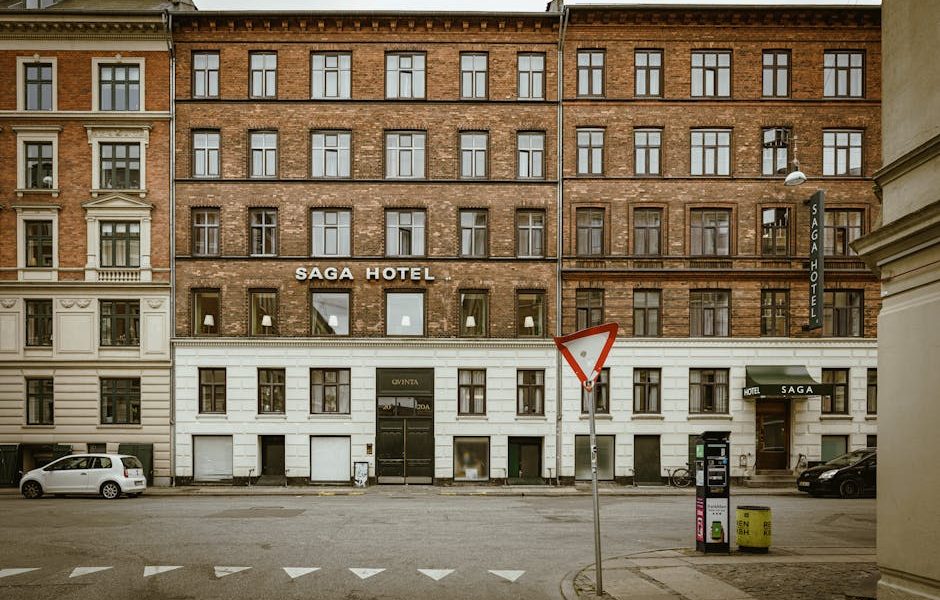
The sheer volume of Copenhagen hotels can make choosing the right accommodation feel like an impossible task. You’ve booked your flights for 2026, but now the endless scroll of options—from boutique stays in historic buildings to modern chains with sleek designs—leaves you unsure where to commit. Will your chosen spot be too far from the attractions you want to see? Will the price tag justify the experience? How do you ensure it aligns with your travel style and budget without wasting hours sifting through reviews and location maps?
This guide provides a structured approach to navigate Copenhagen’s diverse hotel landscape, ensuring your 2026 visit is anchored by the perfect base. We will dissect the city by district, budget, and specific travel needs, offering actionable insights to streamline your decision-making process.
Deconstructing Copenhagen’s Districts for Accommodation
Copenhagen is a city of distinct neighborhoods, each offering a unique atmosphere and set of conveniences. Your chosen district will significantly impact your daily experiences, from morning commutes to evening dining options. Understanding these differences is the first step in pinpointing your ideal hotel location.
Inner City (Indre By) and Nyhavn: Central Convenience vs. Cost
Indre By, the historical heart of Copenhagen, encompasses iconic landmarks like Tivoli Gardens, Rosenborg Castle, and the Strøget shopping street. Staying here places you within walking distance of many major sights. Nyhavn, with its picturesque harbor and colorful houses, is a particularly sought-after part of Indre By. Hotels in these areas command premium prices due to their unparalleled central location and high demand. A mid-range hotel in Indre By might average DKK 1200-2000 per night during peak season (June-August 2026), while luxury options can exceed DKK 3000. Public transport links are excellent, with multiple Metro and S-train stations providing rapid access to the entire city and the airport. Choosing this area prioritizes minimal travel time to attractions and a vibrant, albeit bustling, atmosphere.
Vesterbro and Nørrebro: Local Vibe and Value
Just west of the city center, Vesterbro has transformed from a working-class district into a trendy hub known for its independent shops, lively nightlife, and diverse culinary scene, particularly around Kødbyen (the Meatpacking District). Nørrebro, to the north, is another vibrant, multicultural area popular with students and young professionals, offering an authentic local experience with numerous parks, cafes, and street art. Hotels here typically offer better value than Indre By, with mid-range options often ranging from DKK 900-1600 per night. While not directly in the historical center, both Vesterbro and Nørrebro are exceptionally well-connected by bus, Metro, and S-train, with travel times to central attractions often under 15-20 minutes. These districts suit travelers seeking a more authentic Copenhagen experience, who enjoy exploring local neighborhoods and don’t mind a short public transport ride to main tourist sites.
Østerbro and Frederiksberg: Residential Charm and Green Spaces
For those prioritizing tranquility, green spaces, and a family-friendly environment, Østerbro and Frederiksberg present excellent alternatives. Østerbro, located north of the city center, is an upscale residential district characterized by wide boulevards, elegant buildings, and proximity to the sprawling Fælledparken, Copenhagen’s largest park. It is also home to the iconic Little Mermaid statue. Frederiksberg, an independent municipality entirely surrounded by Copenhagen, offers a distinct charm with its grand Frederiksberg Palace and Gardens, and the Copenhagen Zoo. Accommodation here is often quieter and can include more apartment-style options. Price points vary, but you can expect mid-range hotels in Østerbro or Frederiksberg to cost between DKK 1000-1800 per night. Both areas are very well-served by public transport, ensuring easy access to central Copenhagen, typically within 15-25 minutes by bus or Metro. These districts are ideal for longer stays, families, or travelers who prefer a peaceful retreat after a day of sightseeing.
Budgeting Your Copenhagen Accommodation for 2026
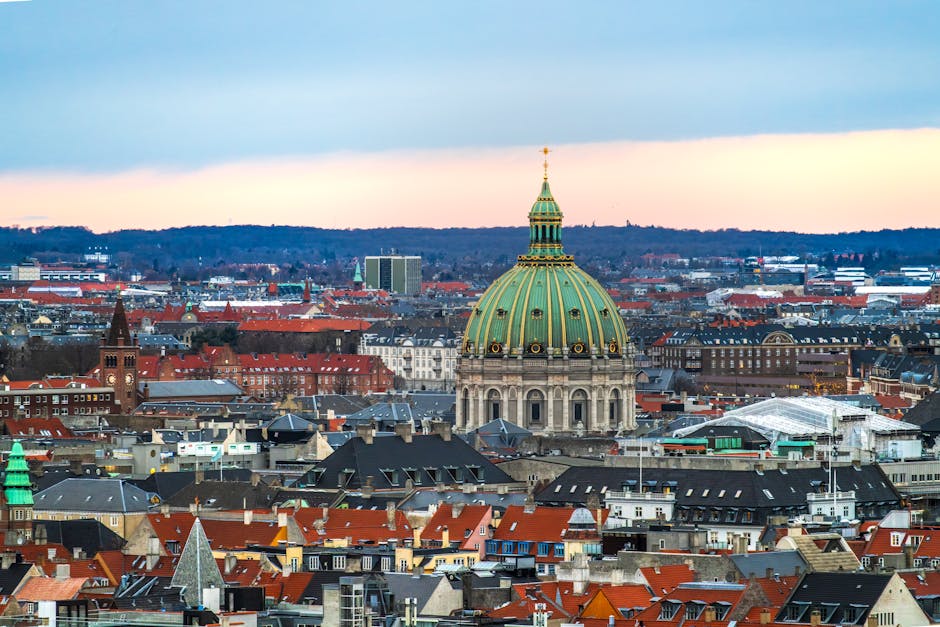
Copenhagen is renowned for its high cost of living, and accommodation is often a significant portion of any travel budget. Strategic budgeting can ensure you find a suitable place without overspending. Understanding typical price points and employing smart booking tactics are crucial for a 2026 visit.
Estimating Average Daily Rates by Hotel Class
Accommodation prices in Copenhagen vary widely based on location, season, and hotel category. For a single traveler or couple in 2026, typical daily rates can be segmented as follows:
- Hostels/Budget Hotels: Expect to pay between DKK 250-500 for a bed in a dormitory or a basic private room with shared facilities. These are primarily found outside Indre By.
- Mid-Range Hotels (3-4 star): These properties, often with private bathrooms and amenities like Wi-Fi and sometimes breakfast, generally cost from DKK 900-1800 per night. This is the most common category in districts like Vesterbro, Nørrebro, and some parts of Østerbro.
- Luxury Hotels (4-5 star+): High-end hotels offering extensive services, prime locations, and superior facilities typically start at DKK 2000 and can easily exceed DKK 4000 per night, especially in Indre By or Nyhavn.
These figures are averages and can fluctuate based on specific events, holidays, and booking lead times.
Strategies for Reducing Accommodation Expenses
Several methods exist to manage hotel costs effectively. Booking as far in advance as possible is one of the most effective; securing your room 3-6 months prior to your 2026 trip, especially for popular periods like summer or Christmas, can yield significant savings. Traveling during the off-peak season (January-March, November) generally results in lower prices and fewer crowds. Consider staying just outside the absolute city center; districts like Vesterbro or Nørrebro offer better value while maintaining excellent transport links. Exploring serviced apartments or guesthouses can also be cost-effective for longer stays, as they often include kitchen facilities, reducing dining out expenses.
Understanding Hidden Fees and Tourist Taxes
When comparing hotel prices, always check the final cost, as certain fees may not be included in the initial quoted rate. While Denmark does not have a federal tourist tax, individual hotels might apply their own surcharges. Be aware of potential charges for services like Wi-Fi (though increasingly rare), minibar consumption, or parking. Breakfast is often an additional cost, which can range from DKK 100-250 per person if not explicitly stated as included. Confirming these details during the booking process can prevent unexpected additions to your final bill.
Prioritizing Key Amenities for Your Copenhagen Stay
Selecting a hotel is not solely about location or price; the amenities offered can significantly enhance or detract from your travel experience. Identifying your non-negotiable facilities early simplifies the search process.
Essential Facilities: Wi-Fi, Breakfast, and Room Size
High-speed internet access is a standard expectation in most Copenhagen hotels. Confirming complimentary Wi-Fi is crucial for planning your daily itinerary and staying connected. Breakfast offerings vary from a simple continental spread to extensive Scandinavian buffets; evaluate if including breakfast in your rate is more cost-effective than dining out each morning. Room size can also be a factor, particularly for longer stays or if traveling with significant luggage. Standard rooms in central areas can be compact, often around 15-20 square meters. If space is a priority, verify room dimensions or consider upgrading.
Special Requirements: Family-Friendly vs. Business Travel
Travelers with specific needs must prioritize relevant amenities. Families might look for hotels offering connecting rooms, cribs, high chairs, or even small play areas. Some hotels have dedicated family suites. Business travelers, conversely, will value reliable desks, meeting room access, express check-out, and efficient laundry services. Proximity to specific business districts or conference centers also becomes a key consideration.
Wellness and Leisure: Fitness Centers and Spa Access
For those maintaining a fitness routine or seeking relaxation, hotels with on-site gyms, swimming pools, or spa facilities are important. While more common in luxury establishments, some mid-range hotels also offer basic fitness rooms. Always check operating hours and any additional fees for access. The presence of these amenities can greatly improve comfort, especially during cooler months or after extensive walking tours.
Navigating Copenhagen’s Transport Links from Your Hotel
Copenhagen’s public transport system is highly efficient, making it possible to stay outside the immediate city center without sacrificing convenience. Your hotel’s proximity to key transport hubs and its connection to the overall network should be a primary consideration.
Metro and S-Train Connectivity: Reaching Attractions
The Copenhagen Metro and S-train network are the backbone of urban transport. The Metro, with its automated trains, offers rapid connections across the city, including directly to Copenhagen Airport (CPH). Stations like Nørreport, Kongens Nytorv, and Frederiksberg serve as major interchanges. An average journey from the airport to Nørreport Station takes approximately 15-20 minutes. Hotels near a Metro or S-train station provide quick access to attractions like Tivoli (Vesterport/Central Station), the Little Mermaid (Østerport), or the National Museum (Gammel Strand). Checking a hotel’s walking distance to the nearest station can save considerable time during your daily explorations. A Copenhagen Card can offer unlimited public transport and free entry to many attractions, making it a cost-effective choice for extensive sightseeing.
Cycling Infrastructure: Exploring on Two Wheels
Copenhagen is world-renowned for its cycling culture. Many hotels offer bike rental services, or you can utilize the city’s numerous bike rental shops and shared bike schemes. The city boasts an extensive network of dedicated bike lanes, making cycling a safe and enjoyable way to explore. Consider a hotel that provides secure bike storage if you plan to rent for multiple days. Cycling allows you to reach areas less accessible by public transport and experience the city like a local. For example, cycling from Vesterbro to Nyhavn can take just 10-15 minutes, offering scenic routes along the harbor.
Proximity to Copenhagen Airport (CPH) and Central Station
For travelers arriving by air or train, the proximity of your hotel to Copenhagen Airport (CPH) or Copenhagen Central Station (København H) can be a significant advantage. Hotels in Indre By or Vesterbro often have direct train or Metro connections to CPH, typically within 20-30 minutes. Staying near København H offers immediate access to national and international train services, as well as a major hub for local buses, S-trains, and the Metro. If you have an early flight or a late arrival, minimizing transfer time from these major transport points can reduce stress. Verify the specific transport options and estimated journey times from your potential hotel to CPH or København H before booking.
Securing the Best Rates: Booking Platforms and Strategies
Finding the ideal Copenhagen hotel for 2026 also involves smart booking practices. The price of an identical room can vary significantly across different booking channels and at different times. Employing effective strategies ensures you get the most value for your money.
Direct Booking Benefits vs. Online Travel Agencies (OTAs)
While Online Travel Agencies (OTAs) like Booking.com or Expedia offer convenience and broad comparison, booking directly with the hotel often presents additional benefits. Many hotels provide loyalty program points, complimentary upgrades, or value-adds like free breakfast or welcome drinks when you book through their official website. Direct bookings can also offer more flexible cancellation policies and allow for direct communication with the hotel for specific requests. Always check the hotel’s official site after finding a suitable option on an OTA; you might find a better deal or added perks not advertised elsewhere.
Interpreting Dynamic Pricing and Seasonal Fluctuations
Hotel prices in Copenhagen operate on a dynamic pricing model, meaning rates fluctuate based on demand, seasonality, and upcoming events. High season, typically June through August, and major holiday periods (e.g., Christmas, New Year’s) will see significantly inflated prices. Conversely, the shoulder seasons (April-May, September-October) often offer a good balance of pleasant weather and more moderate rates. The lowest prices are usually found during the low season (November-March, excluding holidays). Monitoring prices over several weeks before booking can help identify a favorable rate. Tools that track price changes can also be beneficial in securing a deal.
Leveraging Cancellation Policies and Price Guarantees
Flexibility in travel plans is often paramount. Prioritize bookings with free cancellation options, especially if your travel dates are not absolutely firm. While these rates might be slightly higher than non-refundable options, the peace of mind they offer is often worth the difference. Some booking platforms and hotels also offer price guarantee programs, where they match a lower rate found elsewhere or refund the difference. Understanding these policies before committing can save money if prices drop after your initial booking. Always read the fine print regarding cancellation deadlines and any associated fees to avoid surprises.
Making Sustainable Choices for Your Copenhagen Accommodation
Copenhagen is a leader in urban sustainability, and this ethos extends to its hospitality sector. For environmentally conscious travelers, choosing an eco-certified hotel supports the city’s green initiatives and aligns with responsible tourism practices.
Identifying Eco-Certified Hotels and Initiatives
Many hotels in Copenhagen actively participate in sustainability programs. Look for properties displaying recognized eco-labels such as the Green Key certification or the Nordic Swan Ecolabel. These certifications indicate that a hotel meets stringent environmental standards regarding energy consumption, water usage, waste management, and sustainable purchasing. Beyond official labels, check a hotel’s website for their specific green initiatives, which might include sourcing local and organic food, using renewable energy, or participating in community projects. Opting for such establishments directly contributes to the city’s broader sustainability goals.
Understanding Hotel Energy and Waste Management
A truly sustainable hotel will implement robust energy and waste management systems. This involves using energy-efficient lighting and appliances, investing in renewable energy sources like solar panels, and ensuring effective insulation. Water-saving measures, such as low-flow showerheads and responsible linen reuse programs, are also common. On the waste front, hotels should have comprehensive recycling programs for guests and internal operations, minimizing landfill contributions. Some hotels even compost food waste. Inquiring about these practices demonstrates your commitment and encourages hotels to maintain high standards.
Supporting Local Communities Through Your Stay
Sustainable tourism also involves supporting the local economy and culture. Choosing independent, locally-owned hotels over international chains can ensure more of your travel expenditure remains within Copenhagen. These establishments often employ local staff and partner with local suppliers for food, beverages, and amenities, fostering economic growth within the community. Engaging with local businesses directly, whether through dining at neighborhood restaurants or purchasing goods from independent boutiques recommended by your hotel, further strengthens this positive impact. This approach enriqueces your experience by connecting you more deeply with Copenhagen’s unique identity.
Comparing Hotel Styles: Boutique, Chain, and Apartment Stays
Copenhagen’s accommodation scene offers a spectrum of experiences, from highly personalized boutique hotels to dependable international chains and self-sufficient apartment rentals. Each style caters to different preferences and travel purposes for your 2026 trip.
Boutique Hotels: Unique Design and Personalized Service
Copenhagen’s boutique hotels are renowned for their distinctive character, often housed in historic buildings and featuring individually designed rooms. These establishments prioritize unique aesthetics, a strong sense of place, and highly personalized service. Expect curated art, bespoke furniture, and an intimate atmosphere. The focus is on creating a memorable, local experience rather than standardized offerings. These hotels appeal to travelers seeking charm, individuality, and a more immersive cultural stay. While they might sometimes lack extensive facilities like large gyms or multiple restaurants, their strength lies in their attention to detail and ability to offer tailored recommendations, making your stay feel unique. Prices can vary widely, but many are in the mid-to-luxury range, reflecting their design-led approach and prime locations.
International Chain Hotels: Consistency and Amenities
For travelers who value reliability, brand consistency, and a predictable level of service, international chain hotels are a solid choice. Brands like Marriott, Hilton, Radisson, or Scandic have a strong presence in Copenhagen. These hotels typically offer standardized room layouts, a comprehensive list of amenities (e.g., fitness centers, business services, multiple dining options), and often participate in loyalty programs. The advantage here is knowing exactly what to expect, regardless of the specific property. They are often located near major transport hubs or business districts, catering to both leisure and business travelers. While they may lack the unique flair of a boutique option, they provide a comfortable, efficient, and often family-friendly experience with competitive pricing across various tiers.
Serviced Apartments and Guesthouses: Extended Stays and Self-Sufficiency
For longer visits, families, or those preferring self-catering options, serviced apartments and guesthouses provide an excellent alternative. These accommodations offer more space than a typical hotel room, often including separate living areas, fully equipped kitchens, and laundry facilities. This allows guests to prepare their own meals, reducing dining expenses and providing a more home-like environment. Guesthouses, often smaller, owner-operated establishments, can offer a personal touch and local insights, sometimes with shared facilities. Apartments provide increased privacy and flexibility. This style is particularly beneficial for travelers with dietary restrictions, young children, or those on extended business assignments. Pricing for apartments can be competitive with mid-range hotels, especially for stays of a week or more, and they are available across various districts, offering a truly local living experience.
Copenhagen Accommodation Comparison: Key Considerations for 2026
| Factor | Boutique Hotels | International Chains | Serviced Apartments/Guesthouses |
|---|---|---|---|
| Experience | Unique, design-focused, personalized service, local charm. | Consistent quality, standardized amenities, reliable service, brand loyalty. | Home-like, self-catering, more space, flexibility, local living. |
| Ideal For | Couples, design enthusiasts, cultural explorers, special occasions. | Business travelers, families, first-time visitors seeking predictability. | Families, longer stays, budget-conscious, those preferring self-sufficiency. |
| Amenities | Curated, often fewer facilities (e.g., no gym/spa), unique dining. | Comprehensive (gyms, multiple restaurants, business centers). | Kitchen facilities, laundry, living areas; fewer hotel-specific services. |
| Price Range (Mid-tier) | DKK 1200 – 2500+ | DKK 1000 – 2000+ | DKK 900 – 1800+ |
| Location Focus | Often in historic centers or trendy neighborhoods. | Near transport hubs, business districts, or major attractions. | Spread across residential and city areas, offering diverse options. |
| Value Proposition | Immersive cultural experience, distinctive atmosphere. | Predictable comfort, efficiency, comprehensive services. | Cost savings on food, enhanced privacy, spacious living. |