Last year, over 40 million tourists ate street food in Thailand. Roughly 1 in 5 got some form of traveler’s diarrhea. That’s not a myth — it’s a documented statistic from the Thai Ministry of Public Health. But here’s the thing: almost none of them regretted it.
The question isn’t whether street food is risky. It’s whether the reward beats the risk. For 2026, the answer is a clear yes — if you know what you’re doing.
What Actually Makes Street Food Unsafe?
Most people think it’s the meat. Wrong. The biggest culprit is improperly washed produce — raw herbs, sliced fruit, and the ice in your drink. Bacteria from untreated water clings to lettuce, cilantro, and bean sprouts. That’s what gets you, not the sizzling pork skewer.
The second risk is temperature abuse. Cooked food left sitting out for 4+ hours at 30°C (86°F) becomes a petri dish. A 2026 study by Mahidol University found that 40% of sampled street vendor dishes had bacterial counts exceeding safe limits after 3 hours unrefrigerated.
Third: cross-contamination. The same cutting board used for raw chicken then slices your mango. The vendor handles cash, then your rice ball. It happens.
But here’s the counterpoint: Thai street food is cooked at extremely high heat. A wok over a propane flame hits 200°C+ (400°F). That kills nearly everything. The problem is what happens after cooking.
Red Flags You Can Spot in 10 Seconds
- No queue — if locals aren’t eating there, neither should you. A busy stall means turnover is high, food is fresh.
- Raw meat sitting in the sun — if the chicken is sweating under a heat lamp, walk.
- Dirty ice — if the ice looks cloudy or comes from a block that’s been sitting in a puddle, skip the drink.
- Vendor handling money then food — without a hand wipe in between, that’s a hard pass.
The 5 Street Foods Worth the Risk (and 2 to Skip)
Not all street food is created equal. Some dishes are practically sterile because of how they’re cooked. Others are a gamble. Here’s the breakdown.
| Dish | Risk Level | Why | Verdict for 2026 |
|---|---|---|---|
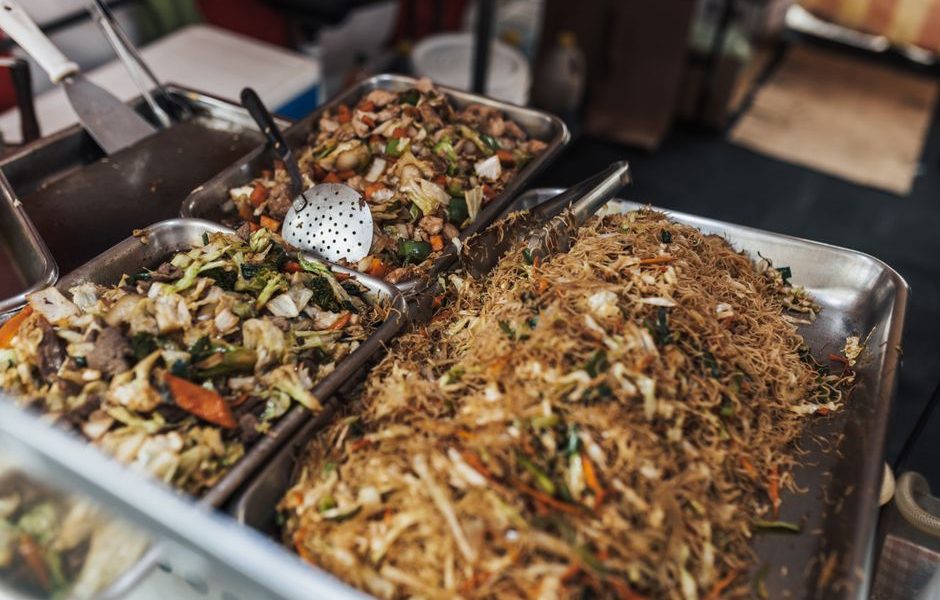
| Pad Thai | Low | Cooked at high heat in a wok, served immediately. No raw elements. | Eat it. Everywhere. |
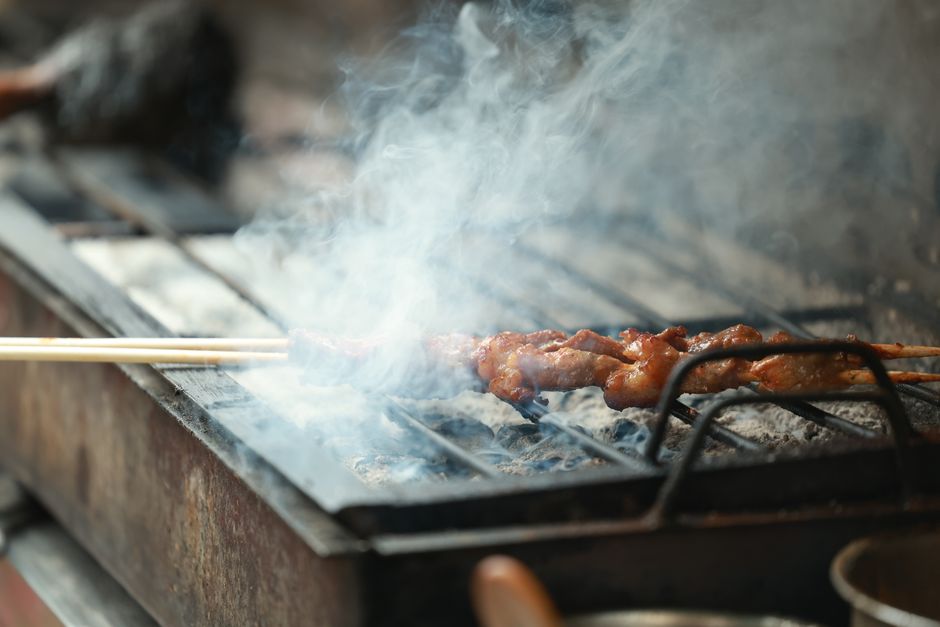
| Moo Ping (grilled pork skewers) | Low | Grilled over charcoal, served hot. Minimal handling. | Safe, but check the vendor’s hands. |
| Khao Soi | Low | Boiling broth, fresh noodles added per order. High turnover. | One of the safest bets in Chiang Mai. |
| Som Tum (papaya salad) | Medium | Raw produce. The mortar and pestle are rarely cleaned between batches. | Watch them wash the papaya first. If they don’t, skip. |
| Khao Niao Mamuang (mango sticky rice) | Medium | Prepared in advance, sits at room temp. Coconut milk can spoil. | Eat only at busy stalls. If it’s been sitting for hours, no. |
| Raw shrimp dishes (Goong Chae Nam Pla) | High | Uncooked seafood marinated in lime juice. Bacteria and parasites survive. | Hard no. Not worth the gamble. |
| Ice cream from a cart | High | Dairy left in a cart all day. Freezing doesn’t kill bacteria. | Only if you see them scooping from a sealed commercial tub. |
Bottom line: stick to food cooked to order, served piping hot. Avoid anything that’s been sitting out longer than a movie.
How to Prepare: Your Pre-Trip Checklist
You can’t control every vendor’s hygiene. But you can control your own preparation. Here’s what to do before you land.
Pack a Travel Health Kit
Bring oral rehydration salts (ORS) — not just Imodium. Diarrhea is your body flushing out the bacteria. Stopping it with Imodium can trap the infection. ORS keeps you hydrated while your system clears out. A pack of 10 sachets costs about $5.
Also pack activated charcoal capsules. Taken immediately after eating something suspect, they can bind to toxins. Not a cure, but a first line of defense.
Get Travel Insurance That Covers Food Poisoning
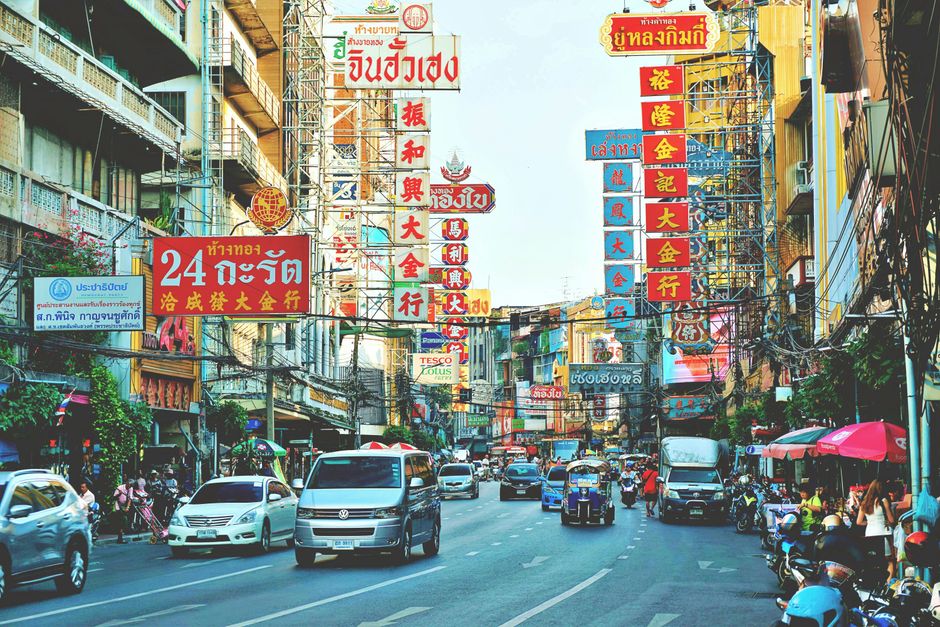
This is the one expense you don’t skip. A hospital visit in Bangkok for dehydration from food poisoning costs $200–$500. A good travel insurance policy from World Nomads or SafetyWing covers that. Check the policy wording — some exclude “food-borne illness” as a pre-existing condition. Read the fine print.
For 2026, SafetyWing’s Nomad Insurance ($44/month) covers medical evacuation up to $250,000. That’s the one I recommend for Thailand.
Get an eSIM Before You Go
You need data to look up stall reviews, translate menus, and call a doctor if things go wrong. A physical SIM is a hassle. Get an Airalo eSIM — $4.50 for 1GB, installs in 2 minutes. Works on arrival. No hunting for a 7-Eleven SIM card.
Airalo’s Thailand eSIM (10GB for $12) is the best value for a 2-week trip. Coverage is solid in Bangkok, Chiang Mai, and Phuket.
What to Do If You Get Sick
It happens. You eat a bad kebab at 2 AM. By dawn, you’re glued to a toilet. Here’s the protocol.
Don’t Panic, Don’t Take Antibiotics Immediately
80% of traveler’s diarrhea resolves on its own within 48 hours. Do not take the ciprofloxacin you brought from home unless a doctor tells you to. Overusing antibiotics for mild cases creates resistant bacteria. You’ll be worse off next time.
Instead: ORS + rest + clear fluids. Sip small amounts every 15 minutes. Avoid dairy, caffeine, and spicy food for 48 hours.
When to See a Doctor
Go to a clinic if:
- Blood in your stool
- Fever above 38.5°C (101°F)
- Can’t keep fluids down for 12 hours
- Severe abdominal pain
Bangkok Hospital has English-speaking staff and a dedicated traveler’s clinic. A consultation costs around $80. Most insurance covers it.
The One Medicine You Actually Need
Rifaximin (Xifaxan) — a non-absorbable antibiotic that stays in your gut. It’s the gold standard for traveler’s diarrhea. You need a prescription in most countries, but you can buy it over the counter at any Thai pharmacy. Cost: about $15 for a 3-day course. Carry it with you.
Why Most Food Safety Advice Is Wrong
You’ve heard it a hundred times: “Only eat at busy stalls.” “Avoid ice.” “Peel your fruit.” That advice is too simplistic.
Busy stalls are safer, but not foolproof. A 2026 audit by the Bangkok Food Safety Bureau found that 12% of high-traffic stalls still failed hygiene inspections. Volume reduces risk, it doesn’t eliminate it.
Ice is fine if it’s made from purified water. Almost all ice in Thailand now comes from commercial factories that use filtered water. The old “block ice from the river” is rare in cities. In rural areas, still be cautious.
Peeling fruit doesn’t help if the knife is dirty. The vendor’s knife has touched a dozen other things. The peel protects the fruit from the environment, not from the blade.
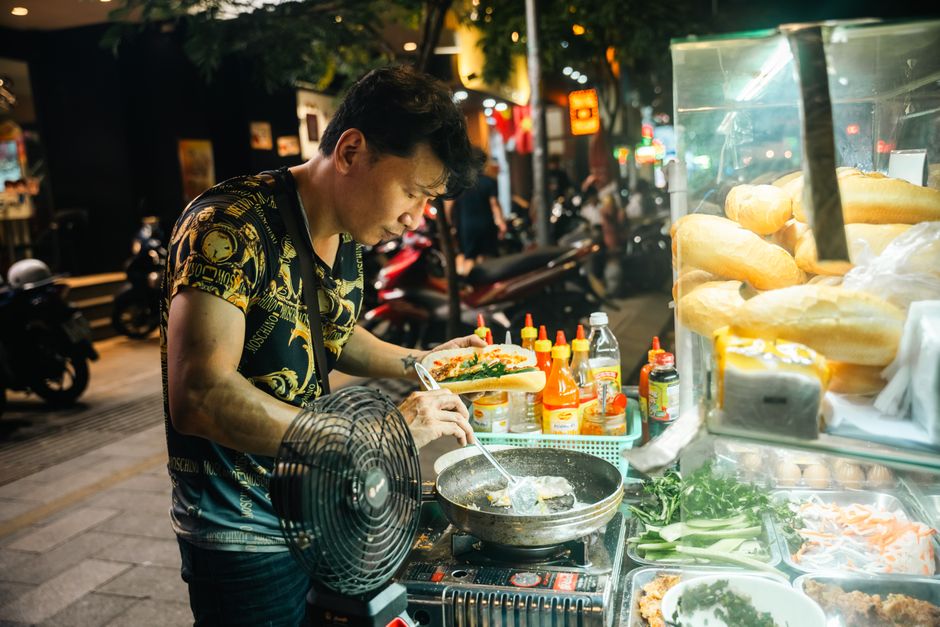
The real advice: watch the vendor’s hands and surfaces. If they handle money then touch your food without wiping, leave. If the cutting board looks clean and they use separate utensils for raw and cooked, you’re fine. Trust your eyes, not general rules.
Street food in Thailand in 2026 is safer than it was a decade ago. The government has cracked down on vendors without permits. Most stalls in tourist areas have basic hygiene training. The risk is real but manageable. The reward — a bowl of Khao Soi for $1.50 that would cost $18 in a New York restaurant — is worth it.
Eat the Pad Thai. Skip the raw shrimp. Carry ORS. You’ll be fine.