I spent 23 days traveling alone through Morocco in early 2026. This is not a fear-mongering post and not a “Morocco is perfectly safe” post either. It’s the middle ground that most travel blogs skip. You need to know what actually happens, what it costs to mitigate risk, and when you should just pick a different destination.
The short version: Morocco is workable for solo women, but it’s not Thailand or Portugal. The harassment in medinas is real, persistent, and exhausting. The scams are predictable once you learn the patterns. And the infrastructure—trains, riads, official guides—is good enough that you rarely feel stranded.
What the Harassment Actually Looks Like (And How to Handle It)
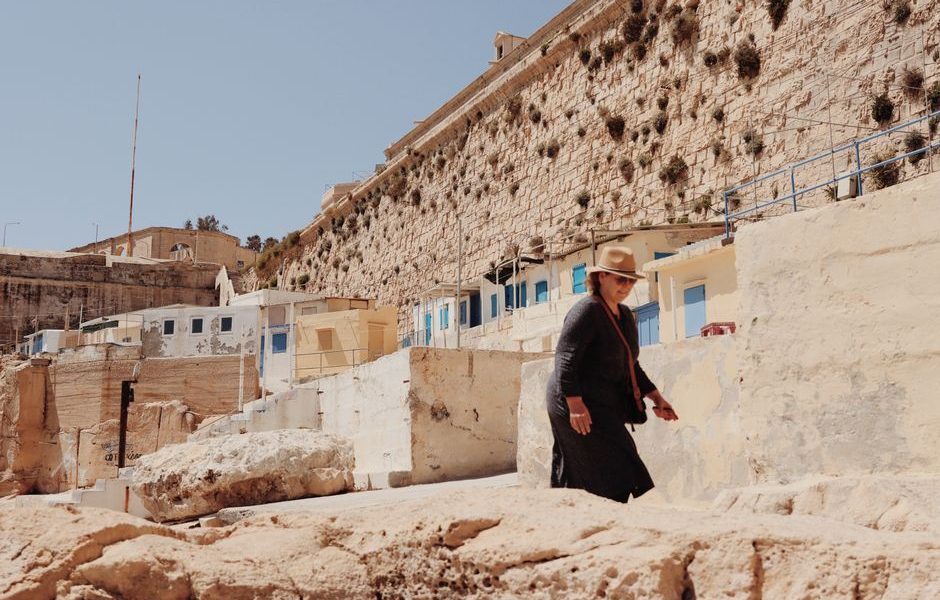
Let me be blunt about what you’ll face in Marrakech, Fes, and Tangier medinas. Men will call out to you constantly. “Hey, my friend, where you from?” “The road is closed that way.” “You look lost, I help you.” Most of it is verbal. Some of it turns into following you for 50-100 meters.
In 23 days, I was followed four times. Each time, I walked into the nearest shop or restaurant, stood near the counter, and waited. The follower lost interest within two minutes every single time. This works because shopkeepers don’t want trouble in front of their business, and the follower knows it.
What does NOT work: engaging, explaining, or getting angry. Any response is a win for the harasser. Silence plus walking with purpose is the only thing that consistently ended interactions quickly.
Specific streets and times to avoid
In Marrakech, avoid the smaller derbs (alleyways) off Rue Riad Zitoun el Kdim after 10pm. In Fes, the area around Bab Bou Jeloud gets aggressive with touts after sunset. In Tangier, the medina is actually calmer than Marrakech, but the port area attracts a different kind of hustler targeting ferry passengers.
Early morning—before 9am—is the calmest time in every medina I visited. Shopkeepers are setting up, locals are commuting, and the touts haven’t started their shifts yet. If you want to photograph empty streets, go at 7:30am.
Transportation: What’s Safe, What’s a Scam, What to Pay
The train system (ONCF) is the single best safety asset for solo women in Morocco. First-class tickets between major cities cost 150-250 MAD ($15-25) and give you a reserved seat, air conditioning, and a locked compartment door on some routes. I took the train from Casablanca to Fes (3.5 hours, 180 MAD first class) and never felt unsafe.
For in-city transport, use Careem or inDrive. Both operate in Marrakech, Casablanca, Rabat, and Tangier. A 15-minute ride costs 30-50 MAD ($3-5). The app shows your route, the driver’s rating, and lets you share your trip. This eliminates the petit taxi meter-refusal problem entirely.
Do not accept rides from men who approach you at the train station offering “taxi, taxi, good price.” They are not taxi drivers. They will charge you 3-5x the app rate and may take you to a “friend’s” riad instead of your actual destination.
| Transport Option | Cost (MAD) | Safety Level | Notes |
|---|---|---|---|
| ONCF train, first class | 150-250 | High | Reserved seat, AC, reliable schedule |
| Careem/inDrive | 30-80 | High | GPS-tracked, driver rating visible |
| Petit taxi (metered) | 15-40 | Medium | Insist on meter; many refuse |
| Grand taxi (shared) | 20-60 | Medium | Six passengers squeezed in; wait until full |
| Unofficial “taxi” at stations | 100-300 | Low | Scam; never accept |
Where to Stay: Riad Security Checks That Actually Matter
A riad is the right choice, but not every riad is equal for solo women. Before booking, check three things. First, is the riad inside the medina walls or outside? Inside means you walk through dark alleys at night to get back. Outside means a calmer street but a longer walk to the sights. For solo women, I recommend staying just outside the medina wall—close enough to walk in during the day, far enough that your evening return doesn’t involve a 200-meter unlit derb.
Second, does the riad have 24-hour front desk or a locked outer door with a bell? Many smaller riads lock the main door at 11pm and give you a key. That’s fine. What’s not fine is a riad where the outer door stays open all night with no staff present.
Third, read reviews specifically from solo female travelers. Search the review text for “solo female” or “woman traveling alone.” If no women have reviewed it, that’s a data gap, not a dealbreaker, but it means you’re testing it yourself.
I stayed at Riad Dar Anika in Marrakech (1,100 MAD/night, about $110) and Riad Laaroussa in Fes (950 MAD/night). Both had locked outer doors, staff present until midnight, and were located on well-lit main lanes, not deep derbs. The extra 200-300 MAD per night over a budget riad is worth it for the location alone.
Common Scams and Failure Modes That Trip Up Solo Women
The biggest mistake I see solo female travelers make in Morocco is over-trusting friendly English-speaking men who approach first. This is the failure mode that leads to most bad experiences. A genuinely helpful Moroccan man will not chase you down the street to offer directions. He might answer if you ask, but he won’t initiate and persist.
Here are the scams I encountered or saw others fall for:
- The “road is closed” redirect. A man tells you the street to your riad is closed for a festival or prayer. He offers to guide you another way. He leads you to his cousin’s shop. The road was never closed.
- The “free” henna. A woman grabs your hand and starts drawing henna before you can object. Then demands 200-400 MAD. Keep your hands in your pockets in Jemaa el-Fnaa.
- The “official guide” at the train station. A man with a laminated badge claims to be an official tourism representative. He is not. Official guides in Morocco have a specific license number you can verify at the tourism office.
- The restaurant menu switch. You order from a menu with prices, then the bill comes with higher prices and a different menu. Take a photo of the menu when you sit down. It feels awkward. It works.
None of these are dangerous in the violent sense. But they drain your energy and money, and they erode your ability to trust the genuinely kind people you’ll also meet.
When Not to Go: The Honest Verdict
Skip Morocco if this is your first solo trip anywhere. The learning curve is steep, and you’ll spend your first three days learning to deflect harassment instead of enjoying the country. Go to Portugal, Thailand, or Japan first. Build your street-smart baseline there.
Skip Morocco if you’re burned out and need a relaxing vacation. This is an active, high-alert destination. You will not relax here. You will come home needing a vacation from your vacation.
Go to Morocco if you’ve traveled solo before, you’re comfortable with persistent street attention, and you want a destination that rewards preparation. The architecture in Fes, the food in Marrakech, the coastal calm of Essaouira—these are worth the friction if you have the capacity for it.
For the right traveler, Morocco in 2026 is manageable and memorable. For the wrong traveler, it’s a week of stress and a story you’ll tell with relief that it’s over. Know which one you are before you book the flight.