The Signif Tourism / Car-free park planning
Plan the Last Mile Before You Fall for the Lodge
The booking page can tell you about pools and lodges. It cannot carry your suitcase from a rural platform after the final bus has gone. A genuinely car-free park break begins with that last transfer, then works backward through food, activities, weather and the journey home.
- Verify both last-mile directions
- Plan provisions before arrival
- Keep one day deliberately local
Planning checkpoint 01
Begin with the final six miles
A holiday park can look close to a railway station on a map and still be awkward without a car. The final road may have no pavement, the local bus may stop early, or a taxi firm may need advance notice on changeover day. Before admiring lodge interiors, trace the journey from the exact arrival platform to reception. Check distance, gradients, crossing points and service times in both directions. Then contact the park for current arrival advice. A workable last mile is the foundation of a relaxed break, not a detail to solve after paying.
Planning checkpoint 02
Test the return before the outward trip
Plan homeward travel at the same time as arrival. A Sunday morning departure can expose a timetable that looked perfectly useful on Friday afternoon. Note the required checkout time, the first realistic bus, the station’s opening arrangements and the margin needed for a connection. If a taxi is likely, ask how far ahead local operators accept reservations and what happens if a train is delayed. Keep a second route in mind, but do not build a plan around an unverified lift. The return test quickly separates a genuinely car-free stay from one that only appears possible.
Planning checkpoint 03
Choose accommodation by carrying distance
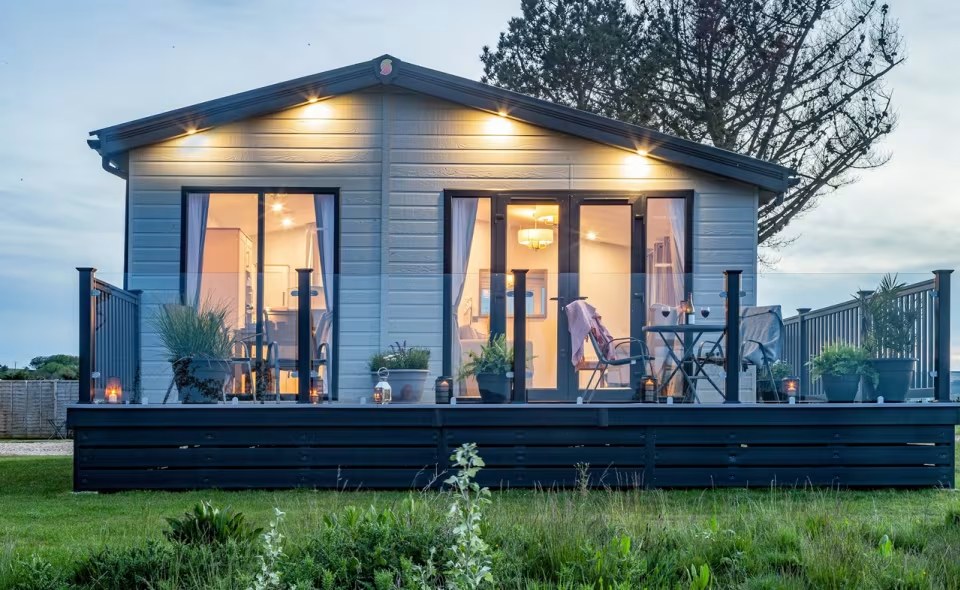
Luggage changes the meaning of every path. A compact unit near facilities may suit a rail-arriving family better than a larger lodge at the far edge of a sprawling site. Ask for a current park map and find reception, the chosen accommodation area, food, pools, activity venues and public exits. Confirm whether assistance with luggage exists rather than assuming it does. Count pushchairs, mobility aids and children’s bags honestly. A beautiful deck is less useful if every meal begins with a difficult twenty-minute walk in rain, while a modestly placed base can make the entire holiday feel easy.
Planning checkpoint 04
Give arrival day one small job
Do not ask the first afternoon to carry the whole holiday. Its job is to reach the park, check in, learn the route to essential facilities and eat without rushing. Book activities for later unless their terms make arrival-day flexibility clear. Keep the first meal simple and know which supplies must come from outside the park. Once everyone is settled, walk only the section needed for the evening. The first proper exploration can happen after breakfast, when daylight, energy and local knowledge are better. This lighter start also leaves room for ordinary rail disruption without turning the day into a failure.
Planning checkpoint 05
Solve food before packing clothes
Self-catering is appealing until every ingredient has to travel by train. Check the park’s live information for shops, opening times, restaurant arrangements and delivery rules. A small on-site shop may cover breakfast and forgotten basics but not a week’s planned menu. If a supermarket delivery is permitted, confirm the correct address, reception procedure and a sensible slot after check-in. Never assume staff can refrigerate or receive an order. Pack one journey meal and one uncomplicated first-night option within food-safety limits. Good provisioning removes repeated off-site errands and creates more usable holiday time.
Planning checkpoint 06
Build a weather-proof day bag
Without a car boot, the day bag becomes the mobile cupboard. Keep it selective: water, a compact outer layer, personal essentials, a small power bank, a reusable bag and only the items required for the chosen activity. Separate anything wet from tickets and electronics. Check venue rules before carrying specialist equipment around the park. The aim is not to prepare for every possible inconvenience; it is to cover the ordinary changes that would otherwise force a return to the accommodation. Repack each evening so yesterday’s damp towel does not quietly become tomorrow’s unnecessary weight.
Planning checkpoint 07
Use the park as the destination
A car-free park break works best when the park itself supplies enough variety. Review the current mix of trails, pools, entertainment, play, food and bookable activities, then match it to the people travelling. Availability and schedules vary by location and date, so the merchant’s live park page matters more than a general brand summary. Choose two anchor experiences for each full day and let the rest remain optional. Constantly leaving the site for distant attractions recreates the transport problem you meant to avoid. A slower radius can produce a fuller break when the location is chosen deliberately.
Planning checkpoint 08
Treat bookings like a timetable
Activities, meals and entertainment may have fixed starts even when the rest of the holiday is unstructured. Put confirmed times in one shared note and add the walking time from the accommodation. Avoid stacking sessions so closely that one slow lunch disturbs the afternoon. Read cancellation and age requirements before reserving, and verify whether equipment or particular clothing is needed. Leave at least one broad unbooked period each day. That blank space is useful for weather changes, tired children, a longer swim or simply sitting outside without feeling that an appointment is being missed.
Planning checkpoint 09
Ask accessibility questions precisely
Words such as accessible, level and nearby can mean different things to different people. Describe the traveller’s actual needs and ask about thresholds, internal layout, bathroom fittings, path surfaces, slopes, parking-free arrival routes and distance to key facilities. Request current measurements or the relevant accessibility information when necessary. Also check the rail stations and transfer service separately; accessible accommodation cannot repair an unsuitable interchange. Make arrangements directly with each provider and keep confirmations available offline. Precision is more useful than optimism, particularly when the group includes a wheelchair user, limited stamina or sensory considerations.
Planning checkpoint 10
Keep one indoor pivot
British weather can turn an outdoor timetable into a negotiation. Identify one legitimate indoor or sheltered option before each day begins, but resist booking an entire replacement schedule in advance. A pool session, family activity or relaxed meal can create enough structure while a shower passes. Confirm hours and capacity through current park information. Bring clothing that can handle the walk back to the unit and establish where wet items may dry safely according to accommodation rules. The useful pivot is not a frantic substitute; it is a comfortable change of pace already understood by the group.
Planning checkpoint 11
Plan the evening walk home
Distances feel different after dark, after entertainment, or while carrying a sleeping child. Use the first daylight hours to learn the path between the main evening venue and the accommodation. Check whether the route is lit, surfaced and suitable for the group, and carry a small torch where appropriate. Follow park guidance and keep children supervised near water, roads and unfamiliar terrain. Decide before going out who carries keys and who checks the final route. An evening that ends calmly is more memorable than squeezing in one additional event and discovering the return was never considered.
Planning checkpoint 12
Make the middle day deliberately local
The temptation to add a famous attraction can be strong, especially when the region has beaches, villages or landmarks nearby. For one full day, stay within the park and notice what removing transport does to the rhythm. Breakfast can run late, swimming can expand, and an activity can be repeated without checking a bus. If an off-site excursion remains important, research it as its own return journey with opening hours and contingencies. A local middle day creates breathing room between arrival and departure and helps the break feel like time away rather than a sequence of connections.
Planning checkpoint 13
Pack for the railway, not a brochure
Choose luggage that each adult can manage through gates, lifts and platform changes while still supervising children or assisting companions. A smaller wheeled case may outperform a large rigid one on the park path; a backpack may free hands but become uncomfortable over distance. Test the complete load at home, including coats and food. Label bags and keep medication, documents and essential chargers in the item that never leaves its owner. Laundry facilities, if currently available and suitable, may reduce volume. Verify rather than assume, since equipment and operating arrangements can differ between parks.
Planning checkpoint 14
Read the live terms before paying
Away Resorts presents a broad choice of parks, accommodation types and break styles, but the useful facts sit with the specific property and dates. Confirm what is included, deposit and balance dates, cancellation terms, linen, utilities, occupancy, pets, accessibility, activity charges, pool access and check-in procedure on the live booking path. Screenshots from another season are not a contract. Compare the total price with the transport cost and any grocery delivery or taxi plan. A clear whole-trip figure is more honest than treating the accommodation headline as the cost of the break.
Planning checkpoint 15
Leave with a departure sequence
The final morning should be a short list, not a search party. Complete most packing the previous evening, separate travel clothes, gather charging cables and photograph the unit only if needed for your own records. Follow the property’s checkout and waste instructions. Recheck the live train service before leaving, then allow enough time for the confirmed transfer. Count bags at the accommodation door, reception and station. The point of a no-car holiday is not proving that every minute can be optimized. It is creating a break whose transport remains proportionate, understood and calm from the first platform to the last.
Plan with current information
Check the live park details against your transport plan
Browse Away Resorts locations and accommodation, then verify present access advice, facilities, dates, prices, inclusions, booking terms and availability directly with the merchant before committing.
Explore Away Resorts ParksAffiliate disclosure: the publisher may receive a commission after an eligible booking made through this page. Independently confirm transport, accessibility and merchant details for your dates.