The $30-a-day Southeast Asia backpacking trip is dead. I just spent six weeks crossing Thailand, Vietnam, and Indonesia, and the numbers surprised me. Not because they were catastrophic. Because they were quietly, steadily higher than every travel blog from 2019 promised.
Here’s the honest math. No nostalgia. No ‘it’s still cheap if you eat street food’ hand-waving. Just what I actually spent, where the money went, and where you can still save real cash without sleeping in a roach motel.
The Real Daily Numbers: What Backpackers Actually Spend in 2026
Forget the old benchmarks. A comfortable backpacker budget in Thailand now runs 1,200–1,600 THB per day ($35–$47 USD). Vietnam sits slightly lower at 700,000–950,000 VND ($28–$38 USD). Indonesia, especially Bali and the Gili Islands, has crept up to 450,000–700,000 IDR ($29–$45 USD) for anything beyond a dorm bed and instant noodles.
These numbers include a private room every few nights, two solid meals, local transport, and one activity. Not luxury. Not even mid-range. Just not suffering.
The biggest shift since 2026? Accommodation. Dorm beds in Bangkok’s Khao San Road area now regularly list at 350–500 THB ($10–$14). That’s up from 200–250 THB five years ago. Chiang Mai is slightly better, but hostels with decent Wi-Fi and air conditioning rarely drop below 300 THB.
Vietnam remains the value champion. Hanoi’s Old Quarter still has clean dorms at 150,000–200,000 VND ($6–$8). But Ho Chi Minh City’s District 1 has caught up with Bangkok pricing. The gap between Vietnam and Thailand is narrowing fast.
Where the Money Actually Goes: A Line-by-Line Breakdown
I tracked every baht, dong, and rupiah for 42 days. Here’s the unglamorous truth.
| Category | Thailand (Daily) | Vietnam (Daily) | Indonesia (Daily) |
|---|---|---|---|
| Dorm bed / budget private | 400–600 THB | 180,000–300,000 VND | 150,000–300,000 IDR |
| Street food + coffee | 300–450 THB | 200,000–350,000 VND | 120,000–250,000 IDR |
| Local transport (songthaew, Grab, bus) | 150–300 THB | 100,000–200,000 VND | 80,000–150,000 IDR |
| Activities / entrance fees | 200–400 THB | 150,000–300,000 VND | 100,000–250,000 IDR |
| SIM card + data (amortized) | 50–80 THB | 30,000–50,000 VND | 30,000–60,000 IDR |
| Total | 1,100–1,830 THB | 660,000–1,200,000 VND | 480,000–1,010,000 IDR |
Converted: Thailand runs $32–$53, Vietnam $26–$48, Indonesia $31–$65. The ranges are wide because transport between cities spikes costs on travel days. A sleeper bus from Bangkok to Chiang Mai is now 700–900 THB ($20–$26), nearly double the 2019 price.
One thing people forget: data costs. A tourist SIM in Thailand from AIS or TrueMove runs 300–500 THB for 30 days of unlimited data. In Vietnam, Viettel and Mobifone offer similar packages for 150,000–250,000 VND. These are still cheap by Western standards, but they add up across multiple countries.
Thailand vs Vietnam vs Indonesia: Pick Your Poison
Thailand is no longer the cheapest option. That title now belongs to Vietnam, and it’s not close.
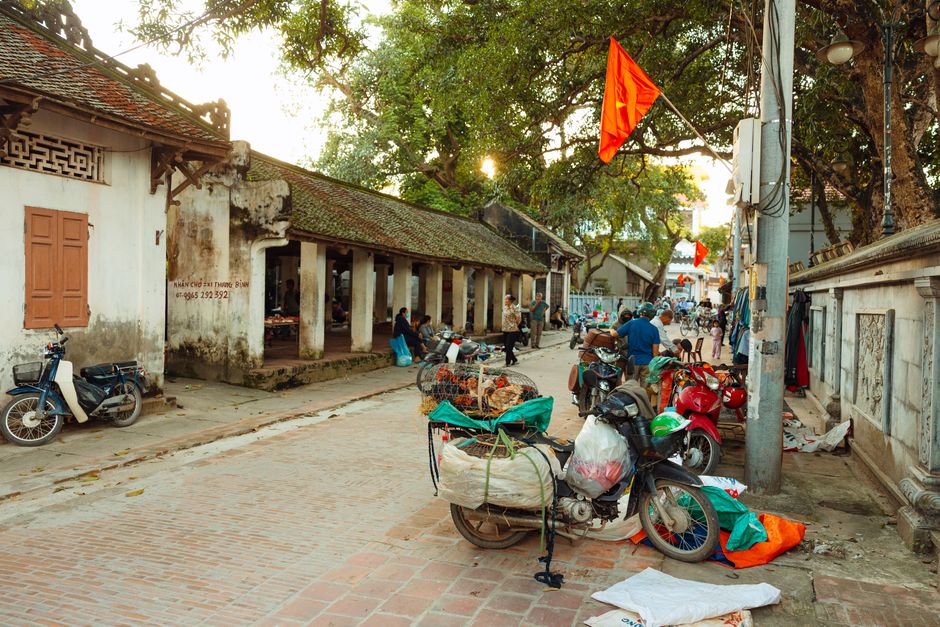
If you want the absolute lowest daily spend, Vietnam wins. Street food like pho and banh mi remains genuinely cheap and genuinely good. A bowl of pho in a Hanoi alley costs 40,000–60,000 VND ($1.60–$2.40). A banh mi runs 25,000–35,000 VND ($1–$1.40). You can eat well for under $8 a day without trying hard.
Thailand’s street food has gotten more expensive in tourist zones. Pad thai on Khao San Road is now 80–120 THB ($2.30–$3.50), which is fine but not the 40 THB bargain of a decade ago. The islands — Koh Phi Phi, Koh Samui — have hotel and food pricing that rivals parts of Southern Europe.
Indonesia is the wildcard. Java and Sumatra remain cheap. Jakarta hostels start around 120,000 IDR ($7.70). But Bali’s tourist corridor from Canggu to Uluwatu has exploded. A basic private room with AC in Canggu now runs 350,000–500,000 IDR ($23–$32). That’s not a backpacker price. That’s a budget hotel price anywhere else in the region.
Where Backpackers Waste the Most Money
The biggest budget killer in Southeast Asia isn’t accommodation or food. It’s transportation decisions made on the fly.
Booking a bus or train 24 hours in advance through a hostel or tourist agency adds a 15–30% markup. The same seat booked directly through 12Go Asia or the operator’s website costs less. I watched a traveler pay 1,100 THB for a Chiang Mai to Pai minivan through a hostel. The direct price was 750 THB.
Second biggest waste: alcohol in tourist bars. A large Chang beer in a Khao San Road bar runs 120–160 THB. The same beer from a 7-Eleven costs 55–65 THB. Multiply that by a month of nights out and you’ve spent an extra $150–$200 without noticing.
Third: paying for tours you could do yourself. The Ha Giang Loop in Vietnam is a classic example. Guided motorbike tours run $250–$400 for 3–4 days. Renting a semi-automatic bike yourself costs 150,000–250,000 VND per day ($6–$10) plus fuel. If you’re comfortable on two wheels, the self-guided version costs a third of the price.
The New Budget Rules for 2026
Here’s what actually works now, based on six weeks of trial and error.
- Book transport 3–5 days ahead, not same-day. Prices jump in the final 48 hours, especially on popular routes like Bangkok to Chiang Mai or Hanoi to Sapa.
- Use Grab or Gojek instead of tuk-tuks in cities. A Grab motorbike in Bangkok costs 40–80 THB for a short trip. A tuk-tuk driver will quote you 200–300 THB for the same distance.
- Stay 3–4 nights per stop. The constant movement of a classic backpacking route burns cash on transport. Slowing down cuts your daily average dramatically.
- Eat where the locals eat, not where the sign is in English. In Chiang Mai, the night market stalls serving khao soi to Thai office workers charge 50–60 THB. The tourist-facing restaurants two streets over charge 120–150 THB for the same dish.
- Skip the islands if you’re on a tight budget. Thailand’s Andaman coast and Indonesia’s Gili Islands have the worst value in the region. Northern Thailand, central Vietnam, and Java deliver more for less.
The Verdict: Is It Still Worth It?
Yes. But with an asterisk.
Southeast Asia is still the best region in the world for stretching a travel budget. You can still eat incredible food for pocket change. You can still find dorm beds for under $10. You can still have a genuinely rich travel experience for $30–$40 a day if you’re disciplined.
What’s changed is the margin for error. The old advice — ‘just show up and figure it out’ — now costs you real money. Booking late, drinking in tourist bars, and moving cities every two days will push you to $60–$70 a day without much effort.
The single most important takeaway: Vietnam is the new budget king of Southeast Asia, and if you’re traveling on a tight budget in 2026, you should spend more time there and less in Thailand’s islands and Bali.