You have two weeks in Brazil and no idea where to start. The country is roughly the size of the continental United States. Trying to see everything in fourteen days will leave you exhausted and broke. This itinerary focuses on three regions that give you the real Brazil: the beaches and mountains of Rio, the Afro-Brazilian culture of Salvador, and the raw jungle of the Amazon. Each stop has a clear purpose, a realistic budget, and specific advice on what to skip.
Why This Itinerary Works
Most first-timers try to pack in Rio, Iguazu Falls, Salvador, and the Amazon in one trip. That means four flights, eight hotel check-ins, and zero relaxation. This plan drops Iguazu entirely. The falls are spectacular, but they sit on the border with Argentina, far from everything else. Flying from Rio to Iguazu to Manaus adds two full travel days and at least $400 in airfare. You can do Iguazu on a separate trip from Buenos Aires in half the time.
Instead, this route uses Rio as the hub, then flies northeast to Salvador, then northwest to Manaus. You move in a straight line. No backtracking. Each city has at least three full days on the ground, which is the minimum to actually experience a place rather than just see it from a taxi window.
The total cost for this itinerary — flights between cities, accommodation, food, tours, and entry fees — runs between $2,800 and $4,200 per person for mid-range travel. That assumes double occupancy, local restaurants, and a mix of hostels and three-star hotels. Add another $600 if you want private rooms in the Amazon lodge.
Rio de Janeiro: Days 1–5
Day 1: Arrival and Copacabana
Land at Galeão International Airport (GIG). Take a prepaid taxi to your hotel in Copacabana or Ipanema. The ride costs about $25 and takes 40 minutes. Do not take an Uber from the airport — the pickup area is chaotic and drivers often cancel. Use the official taxi kiosk inside the arrivals hall.
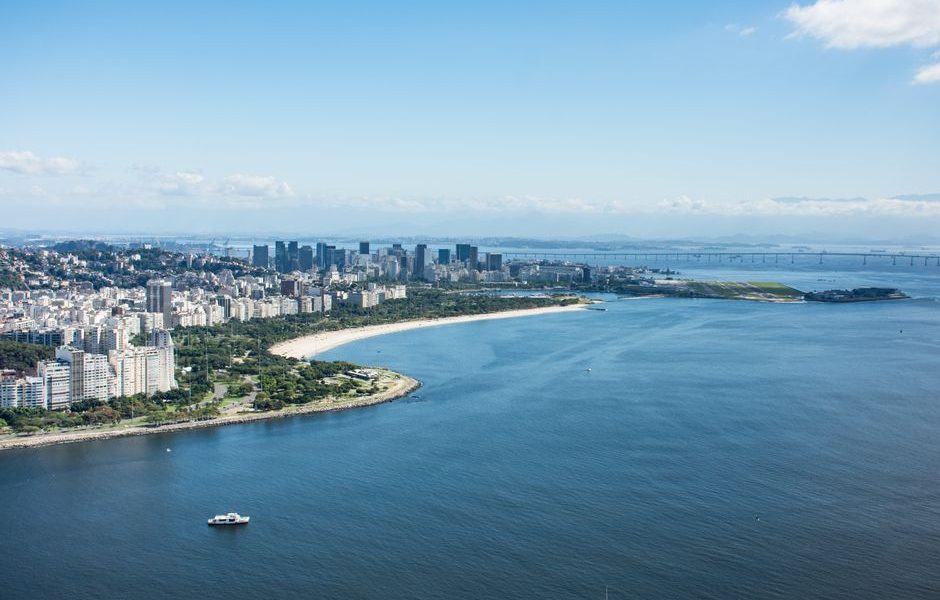
Spend the afternoon walking the Copacabana boardwalk. The beach itself is fine, but the real show is the promenade with its wave-patterned mosaic tiles. Grab a coconut water from one of the kiosks for $2. Dinner at a churrascaria like Porcão Rio’s — about $35 per person for the all-you-can-eat meat rodízio. Skip dessert. You will not need it.
Day 2: Christ the Redeemer and Sugarloaf
Book the Corcovado train for 8:00 AM. The tram leaves from the base station at Cosme Velho and takes 20 minutes to reach the statue. Tickets cost $25. Buy them online at least three days in advance — same-day tickets sell out by 9 AM. The viewing platform gets packed by 10 AM. You want to be on the 8 AM train, take photos for 30 minutes, and be back down by 9:30.
Afternoon: Sugarloaf Mountain. Take the two-stage cable car from Praia Vermelha. The ride costs $20 and gives you the best view of the city skyline. Sunset from the top is the money shot. Bring a light jacket — the wind picks up at 400 meters.
Day 3: Santa Teresa and Lapa
Skip the Tijuca Forest hike. It takes a full day, the trails are poorly marked, and you will see better jungle in the Amazon. Instead, take the Bonde tram to Santa Teresa. The tram costs $0.50 and rattles through narrow cobblestone streets lined with colonial mansions. Get off at Largo do Guimarães and walk to Parque das Ruínas — the ruins of a 19th-century mansion with a free rooftop terrace overlooking the bay.
Evening: Lapa Arches and samba. The Escadaria Selarón steps are right there. They are covered in tiles from 60 countries. Do not eat at the restaurants on the steps — they are overpriced and mediocre. Walk two blocks to Bar da Boa Praça for a proper caipirinha ($4) and fried cod balls ($5).
Day 4: Day Trip to Niterói
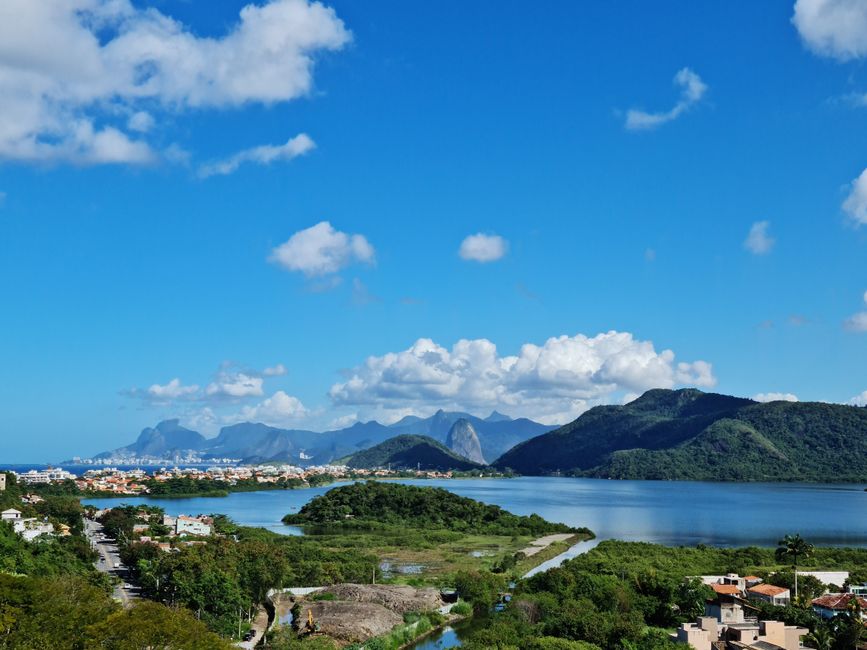
Take the ferry from Praça XV to Niterói. The boat costs $1.50 and runs every 20 minutes. The crossing takes 15 minutes and gives you a postcard view of Rio’s skyline from the water. The main attraction is the Museu de Arte Contemporânea (MAC), a flying-saucer-shaped building designed by Oscar Niemeyer. Entry is $4. The museum itself is small — 30 minutes max — but the architecture is worth the trip.
Lunch at Mercado Municipal de Niterói. The ground floor has seafood stalls where you can buy grilled fish for $8. Eat standing at the counter. It is better than any sit-down restaurant in Rio.
Day 5: Travel to Salvador
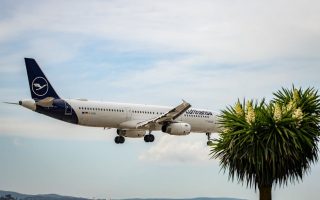
Morning flight from Santos Dumont (SDU) to Salvador (SSA). GOL and Azul both fly this route. Book the 9 AM departure — it costs about $80 and takes 2 hours. Santos Dumont is a 20-minute Uber from Copacabana. Do not go to Galeão for this flight. Santos Dumont is closer and has shorter security lines.
Salvador: Days 5–9
Day 5 (continued): Pelourinho
Check into a hotel in the Pelourinho district. This is the historic center, a UNESCO World Heritage site with pastel-colored colonial buildings and cobblestone streets. Your hotel should be on a pedestrian-only street — the noise from traffic in this area is unbearable.
Evening: watch a capoeira demonstration in Terreiro de Jesus square. The performances start around 7 PM and are free. The performers will pass a hat afterward. Drop $2. Do not film without asking — some groups charge a $5 fee for video.
Day 6: Afro-Brazilian History
Morning: Museu Afro-Brasileiro (MAFRO). Entry is $3. The museum covers the history of the slave trade in Bahia and the development of Candomblé religion. The exhibition on orixás (deities) is the strongest part — each one has a dedicated room with costumes and artifacts. Allow 90 minutes.
Afternoon: Igreja de São Francisco. The church is covered in 800 kilograms of gold leaf. Entry is $2. The contrast between the opulent interior and the poverty visible from the front steps is intentional and uncomfortable. Sit with it.
Day 7: Beach Day at Praia do Forte
Take a local bus from Salvador bus station to Praia do Forte. The ride costs $5 and takes 90 minutes. The beach here is quieter than the city beaches and has clear water. The main attraction is the Projeto TAMAR sea turtle sanctuary, entry $6. They release hatchlings into the ocean between November and March. Call ahead to check the release schedule — it is not daily.
Return to Salvador by 6 PM. Dinner at Casa de Tereza — the moqueca (coconut fish stew) is $12 and is the best version of this dish in the city.
Day 8: Mercado Modelo and Departure Prep
Morning: Mercado Modelo. This is the main souvenir market. The prices are marked up 50% for tourists. Bargain hard. A typical berimbau (musical bow) starts at $30 but should sell for $15. Do not buy the cachaça here — the bottles are often watered down. Buy it at a supermarket instead.
Afternoon: pack and rest. The flight to Manaus tomorrow is 4 hours and there is no direct route. You will connect through Brasília or Belo Horizonte. The total travel time including layover is about 7 hours. Prepare for that.
Amazon Rainforest: Days 9–14
Day 9: Travel to Manaus
Flight from Salvador to Manaus (MAO). LATAM and Azul operate this route with one stop. Cost: about $150. Arrive in Manaus by early afternoon. Do not stay in the city. Book a transfer to a jungle lodge on the Rio Negro. The transfer takes 2 hours by van and another hour by boat. The lodge should be at least 50 kilometers from Manaus — anything closer means you hear city noise at night.
Most lodges include all meals and two guided excursions per day. Prices range from $100 to $250 per person per night for all-inclusive. The cheaper lodges have shared bathrooms and no electricity after 10 PM. The mid-range ones have private rooms, fans, and solar power. Pay the extra $50 per night for the private room. You will be exhausted and you need proper sleep.
Day 10: Canoeing and Night Safari
Morning: canoe through the igapó (flooded forest). The water level varies by season. In the dry season (June–November), you walk through the forest. In the wet season (December–May), you paddle between tree trunks. Both are good. The guide will point out sloths and howler monkeys. Do not touch the water — it contains parasitic worms that cause schistosomiasis.
Night: caiman spotting. The guide uses a flashlight to find the red reflections of caiman eyes on the water. They will catch a small juvenile with their hands and let you hold it. The caiman is not dangerous at that size, but it will twist and scratch. Wear long sleeves.
Day 11: Jungle Trek
Full-day hike through terra firme (non-flooded forest). The guide will show you medicinal plants — the sap of the copaiba tree works as an antiseptic, the bark of the quina tree treats malaria symptoms. Do not try any plant without the guide’s explicit instruction. Several Amazonian plants cause blisters on contact.
Lunch is cooked on the trail: rice, beans, and canned sardines. It is not gourmet. Bring protein bars as backup. The hike covers about 8 kilometers. Wear boots, not sneakers. The ground is muddy and covered in fallen palm spines that puncture thin soles.
Day 12: Meeting of the Waters and Pink Dolphins
Boat trip to the Meeting of the Waters, where the dark Rio Negro meets the sandy-colored Solimões River and flows side by side without mixing for 6 kilometers. The phenomenon happens because of differences in temperature, density, and flow speed. It is real, not a tourist gimmick.
Afternoon: swim with pink river dolphins. The dolphins are wild but accustomed to boats. The guides will call them with fish. The dolphins will circle the boat and occasionally let you touch them. Do not grab their fins — they have a strong tail flick that can break your wrist. The water is warm, about 28°C (82°F).
Day 13: Fishing and Farewell Dinner
Morning: piranha fishing. The lodge provides bamboo poles, line, and raw beef as bait. Piranhas are not aggressive to humans unless you are bleeding in the water. They bite hard on the line though. The guides will cook your catch for lunch. Piranha tastes like mild white fish with a lot of bones. Eat carefully.
Evening: farewell dinner at the lodge. The staff will prepare a traditional Amazonian meal: tacacá (shrimp soup with jambu leaf), pato no tucupi (duck in manioc sauce), and grilled tambaqui (a local fish). The jambu leaf causes a mild numbing sensation in your mouth. That is normal.
Day 14: Return to Manaus and Departure
Morning boat back to Manaus. Depending on lodge location, this takes 1–3 hours. Your flight out should be after 2 PM to allow buffer time. If you have a late flight, visit the Mercado Adolpho Lisboa in Manaus — it is a 19th-century iron structure imported from Paris. The fish market section is chaotic and fascinating. The produce section sells cupuaçu, graviola, and bacuri fruits you will not find anywhere else. Buy a cupuaçu chocolate bar for $3. It tastes like chocolate-covered pineapple.
Common Mistakes and How to Avoid Them
Mistake 1: Overpacking. Brazil is hot and humid everywhere. You need shorts, t-shirts, one pair of long pants for evenings, a rain jacket, and sturdy walking shoes. That is it. Packing jeans and sweaters wastes luggage space. The Amazon lodge will have laundry service for about $5 per load.
Mistake 2: Not booking domestic flights early. Brazilian airlines use dynamic pricing. A Rio–Salvador flight costs $60 if booked three weeks out and $200 if booked three days out. Book all internal flights at least two weeks before departure.
Mistake 3: Drinking tap water. Tap water in Brazil is not safe for foreigners. Even locals in Manaus buy bottled water. A 1.5-liter bottle costs $0.60 at any supermarket. The Amazon lodge will provide filtered water for drinking but use bottled water for brushing teeth.
Mistake 4: Ignoring yellow fever vaccination. The Brazilian government requires proof of yellow fever vaccination for travel to the Amazon. The vaccine must be administered at least 10 days before arrival. Carry your international vaccination card. Airlines check it at check-in for Manaus flights.
Mistake 5: Exchanging money at the airport. Airport exchange counters give rates 15% below market. Use ATM withdrawals instead. Most Brazilian ATMs dispense up to $300 per transaction with a fee of about $5. Notify your bank before traveling. Brazilian ATMs are notorious for eating foreign cards that do not have chip-and-PIN capability.
Budget Breakdown
| Category | Cost (USD, per person) |
|---|---|
| Flights (Rio–Salvador–Manaus–Rio) | $350 |
| Accommodation (12 nights, mid-range) | $960 |
| Amazon lodge (5 nights, all-inclusive) | $750 |
| Food (outside Amazon lodge) | $420 |
| Tours and entry fees | $180 |
| Local transport (taxis, buses, ferries) | $140 |
| Total | $2,800 |
This budget assumes double occupancy for hotels and the Amazon lodge. Solo travelers should add 40% for the single supplement. High-end lodges in the Amazon run $400 per night — skip them unless you have a specific interest in birdwatching or scientific research. The mid-range lodges give you the same jungle with fewer frills.