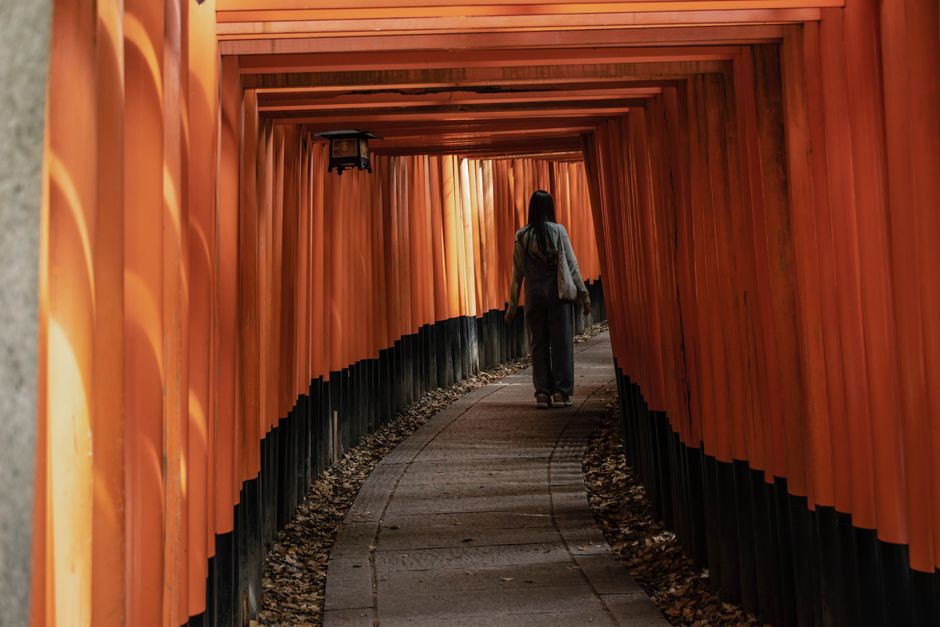
You land in Kyoto with four days. You have already mapped out Fushimi Inari at dawn and Kinkaku-ji before the tour buses roll in. But by day three, the city starts to feel like a series of checkboxes. That is the moment to get on a train and let the Kansai region do what it does best: deliver radically different experiences within ninety minutes.
This list is not a collection of vague suggestions. Each entry includes the actual travel time from Kyoto Station, what makes the trip worth it, and one honest caveat. Some of these places are overrun. Some are skippable if you have limited days. The point is to help you choose with your eyes open.
One note before you go: Japan Rail Pass prices changed in 2026. For short regional hops like these, a JR West Kansai Area Pass or just paying per ride on an IC card like Suica or ICOCA often beats the full national pass. Do the math before you commit.
Nara: Deer, Temples, and the Honest Verdict on Crowds
Nara is the default answer to “what is the easiest day trip from Kyoto?” The Kintetsu Limited Express gets you from Kyoto Station to Kintetsu-Nara Station in about 35 minutes. The JR Nara Line takes roughly 45 minutes but drops you a bit farther from the park.
Here is the thing about Nara that most guides gloss over: the deer are not cute. They are assertive, food-motivated, and they will headbutt you if you hesitate with the shika senbei crackers. The crackers cost 200 yen. The deer know the sound of the wrapper. You have been warned.
What makes Nara genuinely essential is Todai-ji. The Great Buddha Hall houses a 15-meter bronze Vairocana Buddha. It is one of the largest wooden buildings in the world, and standing inside it feels like stepping into a different century. The admission fee is 600 yen for adults.
Skip the crowded path from the station to the park. Instead, walk through Naramachi, the old merchant district, on your way back. The narrow lanes and machiya townhouses are quiet by comparison, and the shops sell things other than deer plushies.
Nara in Half a Day
If you only have a morning, do this: Kintetsu-Nara Station at 8:00 a.m., walk through Kofuku-ji, hit Todai-ji by 9:00 a.m. before the tour groups, then walk back through Naramachi. You can be on a train back to Kyoto by noon and still have the afternoon for something else.
Uji: The Better Choice for Tea and Temples
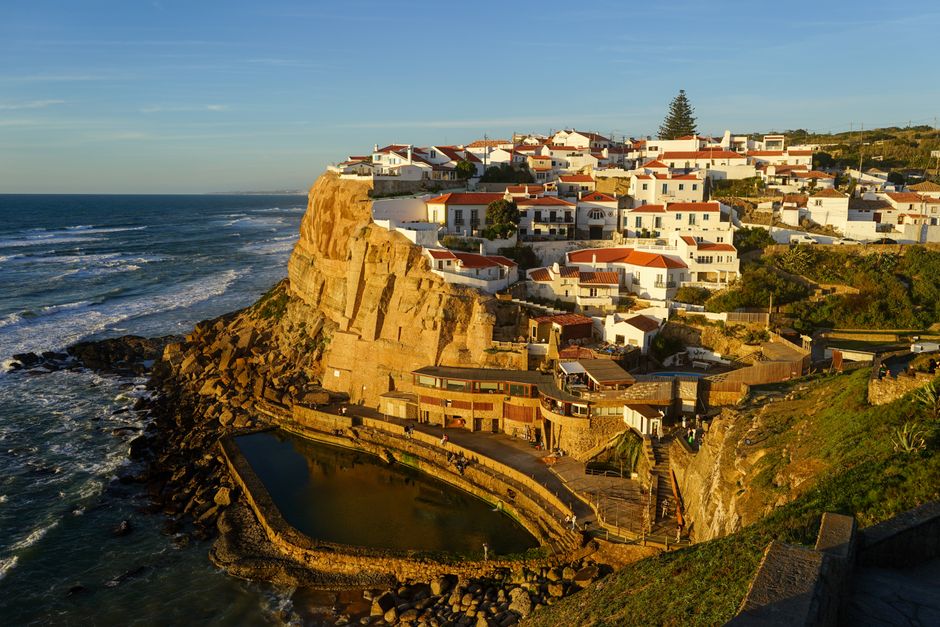
Uji is twenty minutes from Kyoto Station on the JR Nara Line. It is what Nara was thirty years ago: small, walkable, and not yet crushed by the same volume of visitors. If you want a day trip that feels like a genuine escape rather than a transfer of crowds, Uji is the pick.
Uji is the birthplace of Japanese green tea cultivation. The main street, Byodoin Omotesando, is lined with tea shops that have been operating for centuries. Nakamura Tokichi and Ito Kyuemon are the two names you will see most. Nakamura Tokichi’s hojicha soft serve is worth the queue, but go before 11:00 a.m. to keep the wait under fifteen minutes.
The anchor sight is Byodo-in Temple. The Phoenix Hall appears on the back of the 10-yen coin. The building dates to 1053 and survived the wars that flattened most of Kyoto. Admission to the garden and museum is 600 yen. Seeing the Phoenix Hall from across the pond is the money shot.
For a quieter temple experience, walk ten minutes south to Ujigami Shrine. It is small, free, and often empty. The contrast with Byodo-in is instructive: one is a UNESCO showpiece, the other is a neighborhood shrine where locals still bring newborns for blessings.
Amanohashidate: Worth the Two Hours Each Way?
Here is the section where I give you a clear verdict instead of a shoulder shrug.
Amanohashidate is a sandbar covered in pine trees spanning Miyazu Bay. It is one of Japan’s “Three Scenic Views,” a designation that dates to 1643. The train ride from Kyoto takes about two hours on the JR Hashidate limited express. You transfer at Fukuchiyama or take a direct train depending on the day.
Is it worth four hours of round-trip travel for a single view? Only if you do the full ritual. Take the chairlift up to Kasamatsu Park. Turn around, bend over, and look at the sandbar upside down through your legs. This is called matanozoki, and it supposedly makes the sandbar look like a bridge to heaven. It also makes you look ridiculous, which is part of the fun.
If you are on a tight schedule, skip Amanohashidate. It is a full-day commitment for one visual payoff. But if you have five or more days in Kyoto and want to see the Japan that exists beyond the Kansai tourist circuit, the train ride itself — through the Tamba countryside — is part of the experience.
Osaka: The Anti-Kyoto Day Trip
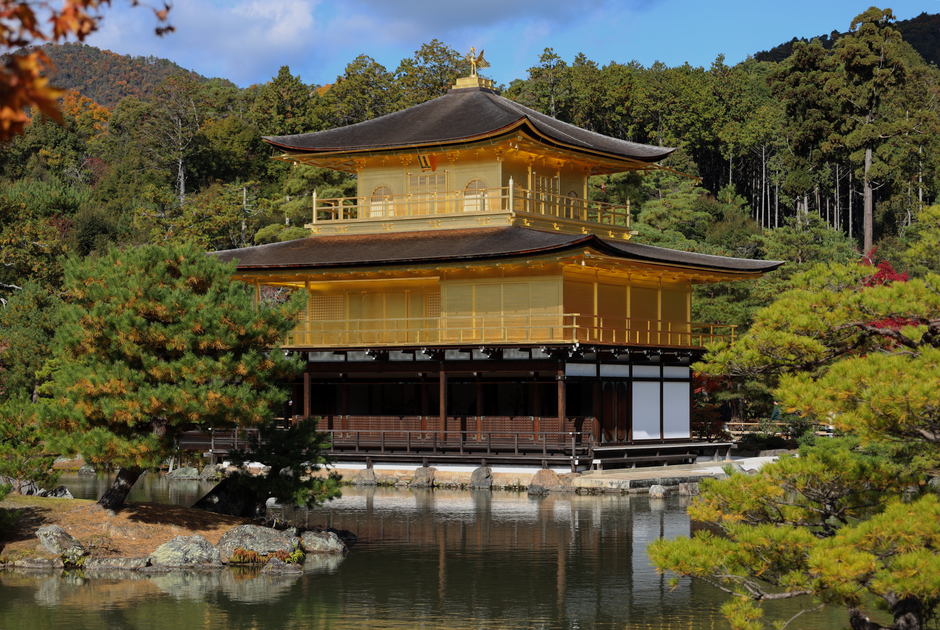
Kyoto is temples and restraint. Osaka is neon and excess. Sometimes you need the opposite of what you have been doing.
The JR Special Rapid Service gets from Kyoto Station to Osaka Station in 28 minutes. The Hankyu Line is slower but drops you closer to Umeda or Kawaramachi depending on your destination. Either way, this is the easiest day trip on the list.
Most people go to Osaka for Dotonbori. The Glico Running Man sign, the takoyaki stalls, the mechanical crab. It is loud and touristy and fun for about two hours. The better Osaka is in the neighborhoods: Shinsekai for kushikatsu, Nakazakicho for vintage shops and slow coffee, and the Osaka Museum of Housing and Living for a recreated Edo-period streetscape that is surprisingly well done.
One warning: Osaka is a city, not a sight. If you go expecting a checklist of attractions, you will be disappointed. If you go to eat and wander, it works.
Himeji: The Castle That Justifies the Train Fare
Himeji Castle is the best castle in Japan. Not the most photographed, not the most convenient — the best. It survived the Meiji Restoration, World War II bombing, and the 1995 Great Hanshin earthquake. The main keep is a five-story wooden structure that has never been destroyed or rebuilt. That alone makes it worth the 45-minute shinkansen ride from Kyoto Station.
The Hikari shinkansen covers the distance in about 45 minutes. A regular JR Special Rapid train takes closer to 90 minutes but costs less. If you have a JR Pass, take the shinkansen. If not, the Special Rapid is fine.
Admission to the castle is 1,000 yen for adults. Go early. The keep has steep wooden stairs and a one-way route that bottlenecks badly by mid-morning. I have been inside at 9:00 a.m. and at 1:00 p.m. The difference is the difference between walking through a historic building and standing in a queue that happens to be inside a historic building.
After the castle, walk through Koko-en Garden next door. It is a modern reconstruction, but it is well done and included in a combination ticket for 1,050 yen. The view of the castle from the garden’s east gate is the best photo angle in Himeji.
Koyasan: The Overnight Day Trip
Koyasan is technically not a day trip. It is a two-hour train and cable car journey from Kyoto to a mountaintop temple complex founded in 816 by Kobo Daishi. You can do it as a day trip, but you will spend more time in transit than on the mountain.
The honest advice: stay overnight. The shukubo (temple lodging) experience — sleeping on tatami, eating shojin ryori vegetarian meals, attending morning prayers — is the entire point of going. A night at a temple like Eko-in or Shojoshin-in costs between 12,000 and 20,000 yen per person including two meals. That is not cheap, but it is a completely different category of experience than anything else on this list.
If you insist on a day trip, the Okunoin Cemetery is the must-see. It is the largest cemetery in Japan, with over 200,000 tombstones along a two-kilometer path through ancient cedar forest. Walking it at dusk, when the stone lanterns start to glow, is one of the most atmospheric experiences in the country. But you will be racing the last cable car down the mountain.
Kurama and Kibune: The Hike Most Tourists Miss
This is the day trip for people who want to earn their soba noodles.
Take the Eizan Railway from Demachiyanagi Station to Kurama Station. The ride takes about 30 minutes and ends in a mountain valley that feels nothing like urban Kyoto. From Kurama, you hike over Mount Kurama to Kibune, a walk of about 3 kilometers with a 250-meter elevation gain. It takes roughly 90 minutes at a relaxed pace.
The trail passes Kurama-dera Temple, which has been a center of mountain ascetic practice for over a thousand years. The main hall sits at the midpoint of the hike and offers a clear view over the valley. The admission is 300 yen.
In Kibune, the tradition is kawadoko: dining on platforms built over the Kibune River. The restaurants serve kaiseki courses starting around 5,000 yen. It is expensive, but eating cold somen noodles while sitting inches above running water in July is a specific kind of magic. Book ahead in summer.
This hike is best from spring through autumn. In winter, the trail can be icy and the Eizan Railway sometimes halts service during heavy snow.
Lake Biwa: The Overlooked Inland Sea
Lake Biwa is the largest freshwater lake in Japan. It is 20 minutes from Kyoto Station to Otsu on the JR Biwako Line. Yet almost no one on the Kyoto tourist circuit goes there. That is precisely the reason to go.
Otsu is the gateway. From Otsu, you can rent a bicycle and ride the lakeshore path north toward Hikone. The full ride to Hikone is about 35 kilometers, which is too far for most casual cyclists. A better plan: take the train to Hikone, see the castle, then ride the lakeshore for a few hours before returning.
Hikone Castle is one of only twelve original castles remaining in Japan. It is smaller than Himeji but also far less crowded. The admission is 800 yen, and the climb to the top of the keep gives you a view over Lake Biwa that rivals anything in Kyoto.
If cycling is not your thing, take the Michigan cruise from Otsu Port. It is a paddle-wheel boat that runs 80-minute lake cruises. It is touristy, yes, but the lake is genuinely beautiful at sunset.
Arashiyama: Not a Day Trip, But People Treat It Like One
This entry is a correction, not a recommendation.
Arashiyama is inside Kyoto city limits. You can reach it from Kyoto Station in 15 minutes on the JR Sagano Line. It is not a day trip. But because so many itineraries lump it with day trips, it deserves a mention here.
The Arashiyama Bamboo Grove is the most overrated single sight in the Kyoto area. It is a 200-meter path through bamboo. It is crowded from 9:00 a.m. until 5:00 p.m. The photos you see online are taken at 6:30 a.m. or heavily edited. If you want bamboo without the crowd, go to Adashino Nenbutsu-ji or the bamboo grove at Fushimi Inari’s quieter northern entrance.
The better parts of Arashiyama are the Okochi Sanso Villa (1,000 yen, includes matcha and a sweet, almost no crowds) and the Sagano Romantic Train. The train runs along the Hozugawa River and is especially good in autumn. Book the open-air car in advance.
Verdict: go to Arashiyama, but go early, skip the bamboo grove, and spend your time at Okochi Sanso instead.
Quick Comparison: Travel Times and Best For
| Destination | Travel Time from Kyoto Station | Best For | Skip If |
|---|---|---|---|
| Nara | 35-45 min | First-time visitors, temple history | You hate crowds and assertive deer |
| Uji | 20 min | Tea lovers, quiet temples | You want a full-day itinerary |
| Amanohashidate | 2 hours | Scenic views, off-the-beaten-path | You have fewer than 5 days in Kyoto |
| Osaka | 28 min | Food, nightlife, urban energy | You want traditional Japan only |
| Himeji | 45-90 min | Castle enthusiasts, architecture | You have already seen multiple castles |
| Koyasan | 2 hours | Temple lodging, spiritual atmosphere | You cannot stay overnight |
| Kurama/Kibune | 30-40 min | Hiking, summer river dining | Winter conditions or mobility limits |
| Lake Biwa | 20 min to Otsu | Cycling, original castle, lake views | You want a guided tourist experience |
One more thing: all of these destinations are accessible without renting a car. Japan’s rail network in the Kansai region is dense, punctual, and relatively affordable if you avoid unnecessary shinkansen rides. If you are planning multiple day trips, check the JR West Kansai Area Pass. It covers most of the routes above for a fixed price over consecutive days. For a single day trip, just use an IC card.
And if you are the kind of traveler who needs reliable mobile data for Google Maps and train schedules, consider picking up an eSIM before you arrive. The Ubigi Japan eSIM and Holafly Japan eSIM both offer short-term data plans that activate the moment you land. Airport SIM counters in Kansai are often crowded, and the last thing you want after a long flight is a queue for a plastic SIM card.