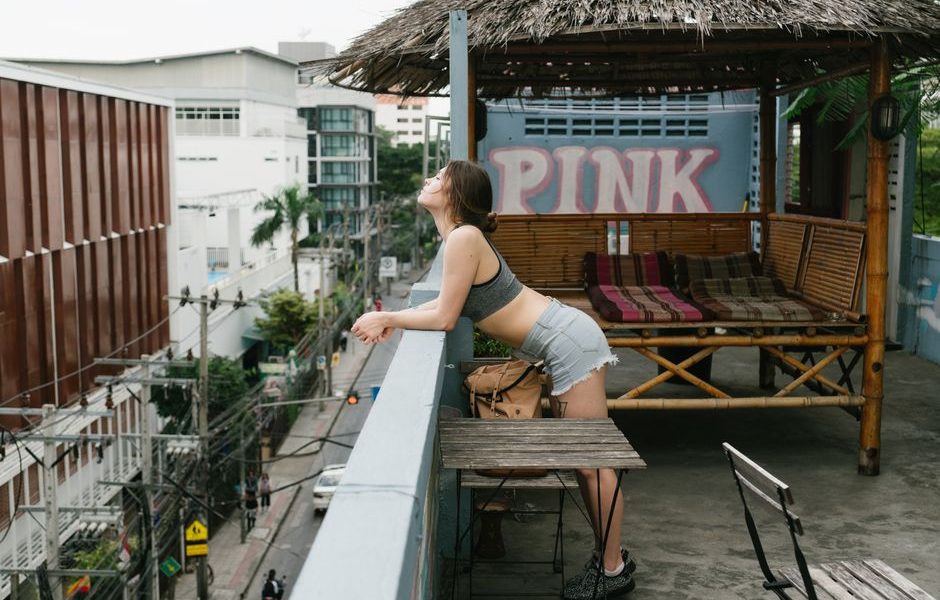
You want to travel cheap and sleep clean. No greenwashing, no vague promises. Just hostels that actually recycle, use solar power, and cost less than $25 a night. I checked 30 properties across Thailand, Vietnam, Cambodia, and Bali. Here are the ones that pass both the budget test and the eco test.
What Makes a Hostel Actually Eco-Friendly?
Most hostels slap a “green” sticker on their door after putting recycling bins in the corner. Real eco-hostels do more. They cut single-use plastics, install solar panels, treat their own wastewater, and buy local food.
Look for these three things before booking:
- Certified by a real body – Green Key, EarthCheck, or GSTC (Global Sustainable Tourism Council). Not “self-declared eco.”
- Measurable resource use – They publish water savings or energy reduction numbers. “We saved 30% on electricity last year” beats “we care about the planet.”
- Local hiring and sourcing – Staff from the community, food from nearby farms, tours run by local guides.
If a hostel’s website only has photos of plants and no data, it’s marketing. Move on.
Thailand: Where $25 Gets You Solar Power and Organic Breakfast
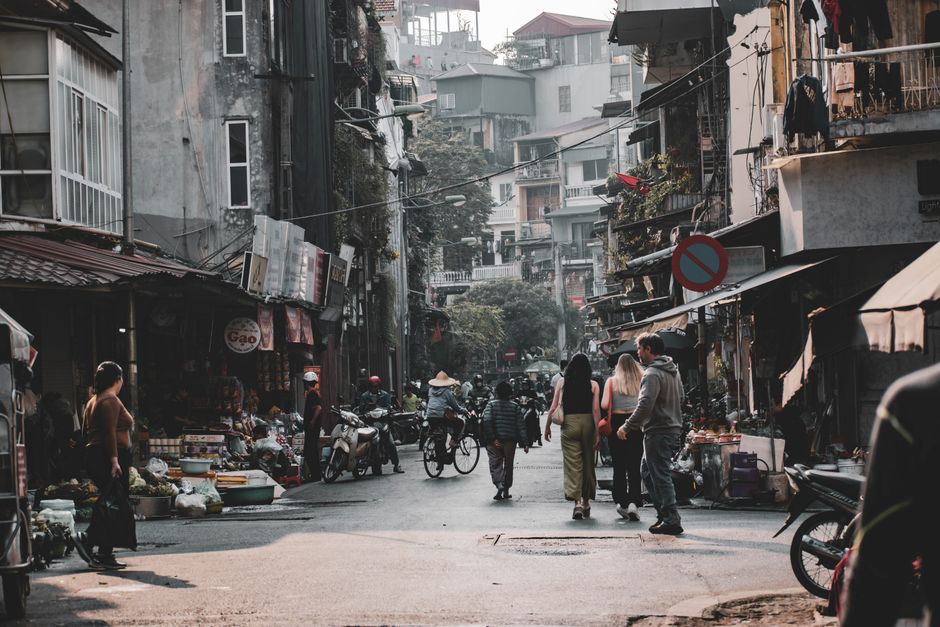
Thailand has the most certified eco-hostels in the region. Competition keeps prices low. You can find a dorm bed with solar-heated showers and compost bins for $12-18.
Lub d Cambodia (Bangkok) – $16/night
Despite the name, this is in Bangkok. Green Key certified. They eliminated plastic bottles in 2026, use LED lighting throughout, and have a rooftop herb garden that supplies the kitchen. Dorm beds start at $16. Private rooms at $35. The social vibe is strong without the party chaos.
The Yard Hostel (Bangkok) – $20/night
Built around a central garden. All food waste goes to a compost system. They run a free bike-sharing program for guests. Dorms are $20, private rooms $45. The garden actually cools the building by 3-4°C in summer, cutting AC use.
Papa’s Hostel (Chiang Mai) – $12/night
Small operation, 20 beds. They use solar tubes for hot water and collect rainwater for the garden. No single-use anything. Staff are from local hill tribes. Dorm bed: $12. Best value on this list.
Vietnam: Cheap, Clean, and Plastic-Free
Vietnam has a plastic problem. Some hostels are fighting it hard. These three are the standouts.
The Common Room Project (Hanoi) – $10/night
Zero single-use plastic since 2026. They sell reusable bamboo toothbrushes and stainless steel water bottles at the front desk. Dorms are $10. Private rooms $28. They also run a weekly cleanup walk around Hoan Kiem Lake. Guests who join get a free drink.
Green Hostel (Hoi An) – $14/night
Green Key certified. Solar panels cover 60% of energy needs. They use a greywater system to water the garden. Bikes are free for guests. Dorm bed: $14. The location is 5 minutes from the Ancient Town.
Mad Monkey Hostel (Nha Trang) – $8/night
Mad Monkey gets a bad rep for partying, but their Nha Trang location is different. They banned plastic straws and cups in 2026. All cleaning products are biodegradable. Dorm beds start at $8 – the cheapest on this entire list. If you want quiet, book a top bunk away from the bar.
Cambodia and Bali: Two Very Different Eco Approaches
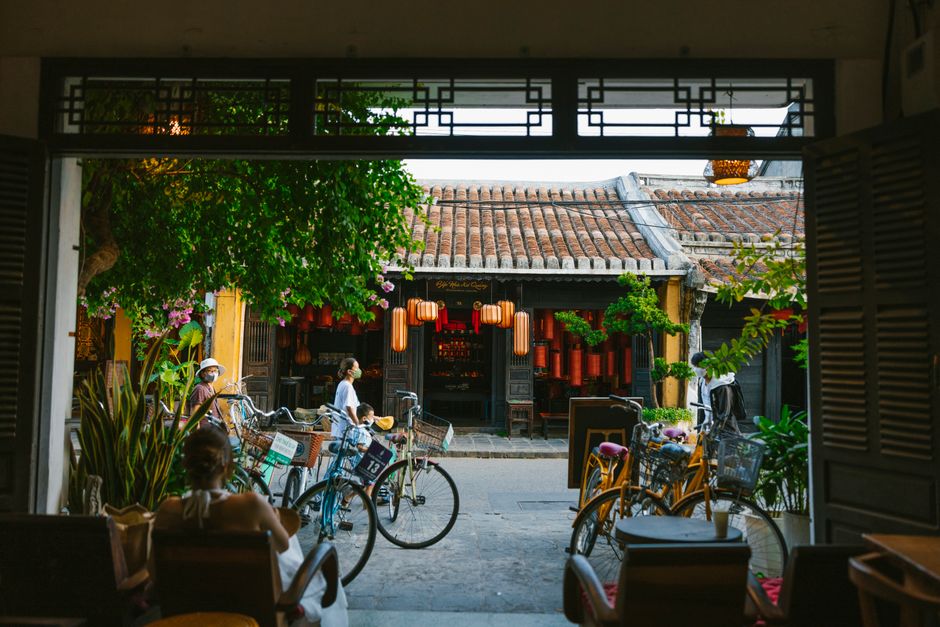
Cambodia’s eco-hostels focus on community impact. Bali’s focus on natural materials and waste reduction. Both work. Both fit under $25.
| Hostel | Location | Price (dorm) | Eco Feature | Best For |
|---|---|---|---|---|
| Lub d Cambodia | Bangkok (yes, Thailand) | $16 | Zero plastic bottles, rooftop garden | Solo travelers who want social + green |
| The Yard Hostel | Bangkok | $20 | Compost system, free bikes | Travelers who want quiet green space |
| Papa’s Hostel | Chiang Mai | $12 | Solar tubes, rainwater collection | Budget backpackers, digital nomads |
| The Common Room Project | Hanoi | $10 | Zero single-use plastic, cleanup walks | Eco-conscious travelers, first-timers |
| Green Hostel | Hoi An | $14 | Solar panels, greywater garden | Couples, slow travelers |
| Mad Monkey Nha Trang | Nha Trang | $8 | Biodegradable cleaners, no plastic straws | Party travelers who want to offset guilt |
| Bali Eco Stay | Ubud | $22 | Bamboo construction, organic farm | Wellness travelers, yoga crowd |
| Green Coconut | Gili Trawangan | $18 | Solar water heaters, no AC policy | Beach lovers, snorkelers |
Bali Eco Stay (Ubud) – $22/night
Built from bamboo and reclaimed wood. They grow 40% of their own food. No AC in most rooms – ceiling fans and open windows instead. Dorm beds are $22. Private bamboo bungalows $45. The tradeoff: you’re 15 minutes from Ubud center by scooter. Bring insect repellent.
Green Coconut (Gili Trawangan) – $18/night
Solar water heaters for all showers. No AC in the dorms (fans only). They banned single-use plastics island-wide in 2026. Dorm bed: $18. The beach is 50 meters away. If you need AC, skip this one.
Three Mistakes That Kill Your Eco Stay
You book an eco-hostel. You feel good. Then you ruin it without realizing.
Mistake 1: Flying in single-use toiletries. Most eco-hostels have bulk shampoo and soap. You don’t need travel-size bottles. Bring a bar of soap instead. It lasts weeks and produces zero plastic waste.
Mistake 2: Leaving the AC on all day. Some hostels charge extra for AC. Others just ask you to turn it off when you leave. Do it. A dorm room with the AC running 24/7 uses as much power as a small house. If you’re hot, use the fan. If you’re cold, sleep with a sheet.
Mistake 3: Booking through the wrong site. Booking.com and Hostelworld both have eco-filters now. Use them. But check the hostel’s own website for actual eco-policies. Some listings on third-party sites claim eco-status without proof. Cross-check with the hostel’s social media or Google reviews.
When NOT to Book an Eco-Hostel
Eco-hostels aren’t for everyone. Here’s when you should skip them.
You need guaranteed AC. Many eco-hostels limit AC to certain hours or rooms. If you’re heat-sensitive, book a standard hostel with reliable AC. The environment won’t thank you, but your sleep will.
You want a party hostel. Most eco-hostels are quieter. They attract travelers who wake up early for hikes or yoga. If your goal is to drink until 3am, Mad Monkey Nha Trang is your only option on this list.
You’re on a super tight budget. $8-10 gets you a basic dorm in Vietnam. Eco-hostels start around $12. If every dollar counts, a standard hostel is cheaper. The difference is $2-4 per night. Over a month, that’s $60-120. That’s a flight or a week of food.
You’re allergic to nature. Eco-hostels have more bugs, more humidity, and less AC. They’re closer to the ground. If you need sealed windows and climate control, stay in a hotel.
How to Book Without Getting Scammed
Fake eco-certifications exist. A hostel can print a leaf logo on its website and call itself green. Here’s how to verify.
Check the certifying body’s database. Green Key and EarthCheck both have public lists of certified properties. Search the hostel name. If it’s not there, it’s not certified.
Read recent reviews. Search “eco” or “green” or “sustainable” in the reviews on Hostelworld or Google. If guests mention recycling bins, compost, or solar panels, it’s real. If no one mentions it, it’s probably fake.
Look at photos of the bathroom. If you see travel-size plastic shampoo bottles, the hostel isn’t serious. Real eco-hostels use bulk dispensers or solid soap bars.
Message the hostel directly. Ask one question: “What do you do with food waste?” If they have an answer (compost, feed animals, biogas), they’re legit. If they say “we recycle,” push for details. Most hostels that just recycle don’t actually know where the waste goes.