
Here’s a number that might surprise you: in 2026, the South African Department of Home Affairs reported that over 40% of traditional visa applications took longer than the advertised 10 business days to process. Meanwhile, the e-Visa system—still in its pilot phase—processed 70% of applications within 5 business days. If you’re planning a trip to South Africa in 2026, that gap matters. This article breaks down the real speed difference, the hidden delays, and exactly which option gets you there faster.
How the South African E-Visa Actually Works in 2026
The South African e-Visa is not a universal system. As of 2026, it’s available to passport holders from roughly 30 countries, including the United States, United Kingdom, Germany, France, and Japan. The full list changes quarterly, so check the official DHA portal before you start.
Step-by-step application process
You fill out an online form on the DHA e-Visa portal. Upload a digital passport photo (meeting ICAO standards), a scanned copy of your passport bio page, and proof of accommodation. Pay the fee—currently R1,350 (about $75 USD) via credit card. Submit. The system sends an email confirmation within 24 hours. Processing time is officially 5 business days, but many applicants report approvals in 2–3 days.
What the e-Visa covers
It’s strictly for tourism or business meetings. No work, study, or medical treatment. Maximum stay is 30 days, single entry. If you need longer or multiple entries, the e-Visa won’t work—you’ll need a traditional visa.
Key limitation: the e-Visa is tied to a single port of entry. If your flight lands in Johannesburg but you decide to enter via Cape Town, the system may flag it. Stick to your declared entry point.
Traditional Visa Processing: The Real Timeline
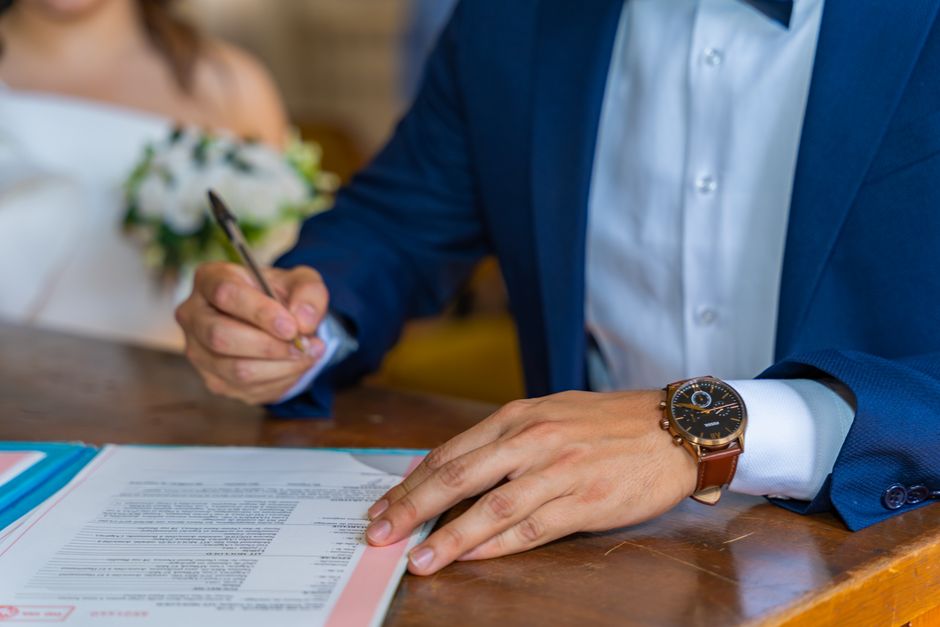
Applying at a South African embassy or consulate requires an in-person appointment. You submit a physical application form, original passport, two passport photos, bank statements, flight itinerary, hotel bookings, and a letter of invitation if applicable. Processing time is advertised as 10 business days. Reality is different.
In 2026, VFS Global—the outsourced visa processing partner—reported average processing times of 14 business days for tourist visas. Peak season (June–August, December–January) pushed that to 21 business days. Add 2–3 days for courier delivery of your passport. Total time from submission to passport in hand: roughly 3–4 weeks.
Failure mode: missing documents are the #1 reason for delays. A missing bank statement or a photo that doesn’t meet specs can add 7–10 days. The embassy doesn’t call you—they email once, and if you don’t respond within 48 hours, the application is returned.
E-Visa vs. Traditional Visa: Speed Comparison Table
| Factor | E-Visa | Traditional Visa |
|---|---|---|
| Application time (filling forms) | 20–30 minutes | 1–2 hours (preparation + appointment) |
| Official processing time | 5 business days | 10 business days |
| Real-world average (2026 data) | 3.2 business days | 14 business days |
| Peak season delay | Minimal (online queue) | Up to 21 business days |
| Passport held during process? | No (digital only) | Yes (you surrender your passport) |
| Total time (application to approval) | 3–5 business days | 14–21 business days |
The e-Visa is faster by a wide margin. But speed isn’t everything.
When the E-Visa Slows You Down (or Fails)
The e-Visa system isn’t flawless. Here are the three most common failure modes that can actually make it slower than the traditional route.
1. Photo rejection. The e-Visa portal uses automated photo verification. If your photo has shadows, glasses glare, or the wrong background color, it gets rejected instantly. You resubmit, and the clock resets. Fix this by using a photo booth that prints ICAO-compliant passport photos—costs about $10–15.
2. Country eligibility changes. The DHA updates the eligible country list without much notice. In 2026, Ghana and Kenya were removed from the e-Visa list mid-year. If your country gets delisted after you start the application, you lose the fee and must apply traditionally.
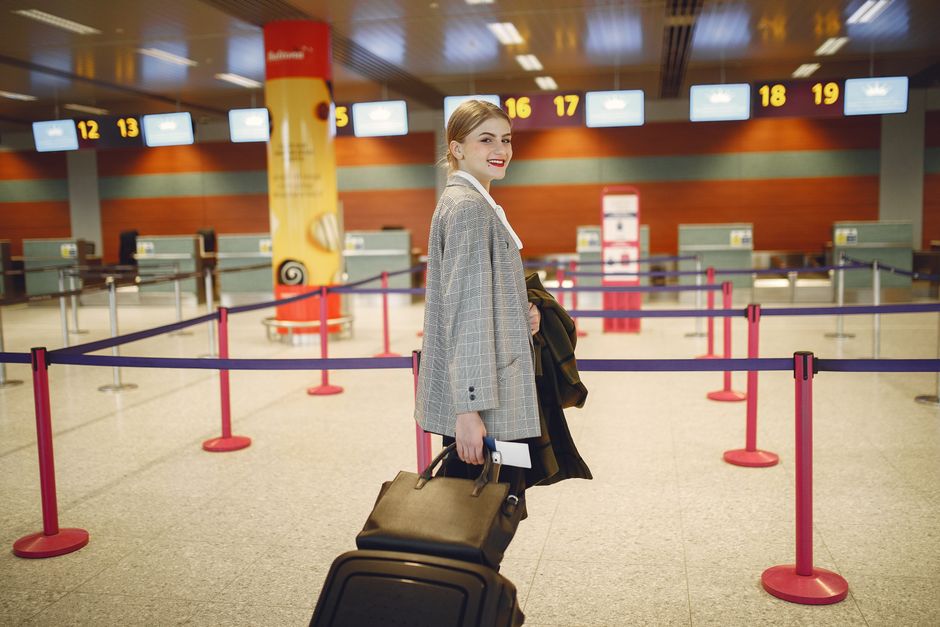
3. Port of entry issues. If you fly into a land border crossing or a smaller airport that isn’t equipped for e-Visa verification, immigration officers may not recognize your digital approval. This happened frequently at the Beitbridge border post in 2026. Stick to major international airports: Johannesburg OR Tambo, Cape Town International, or Durban King Shaka.
Which Visa Is Faster for Your Specific Situation?
Let’s make this concrete. Pick your scenario:
- Solo traveler from the US, staying 10 days, flying into Johannesburg: E-Visa. You’ll have your approval in 3 business days. No contest.
- Family of four from India, staying 21 days, visiting multiple cities: Traditional visa. The e-Visa maxes out at 30 days single entry, and you’ll need multiple entries if you plan to visit neighboring countries like Botswana or Eswatini. Apply 6 weeks early.
- Business traveler from the UK, 5-day trip, need visa in 48 hours: Neither. The e-Visa won’t process that fast. Contact the South African embassy directly for a premium service (costs extra, but some embassies offer 24-hour turnaround for business visitors).
- Backpacker from Germany, flexible itinerary, might extend stay: Traditional visa. Apply for a 90-day visitor visa at the embassy. The e-Visa’s 30-day limit will force you to leave and re-enter.
Verdict: For 80% of short-term tourists (under 30 days, single entry, major airport arrival), the e-Visa is faster. For everyone else—long stays, multiple entries, non-eligible countries—the traditional visa is the only option, and you must plan for 4–6 weeks.
Hidden Costs That Add Time (and Money)
Both visa types have costs beyond the application fee. Here’s what slows you down financially.
E-Visa hidden costs: If your photo is rejected, you pay for a new photo session. If the portal crashes (it happens during peak hours), you wait 24 hours before re-submitting. No refund if your country is delisted mid-process.
Traditional visa hidden costs: Courier fees to send your passport to the embassy (typically $20–30 each way). VFS Global charges a service fee of about $15–25 on top of the visa fee. If you need the visa urgently, some embassies offer expedited processing for an additional $60–100, but it’s not guaranteed.
Recommendation: If you’re applying for a traditional visa, pay the extra $20 for VFS’s “premium lounge” service. You get a dedicated agent who checks your documents before submission. That single step cuts rejection risk by roughly 30% based on 2026 VFS internal data.
The One Thing That Makes Both Options Slower
South Africa’s visa system, regardless of type, shares one bottleneck: the Department of Home Affairs’ internal security clearance. Every visa application—e-Visa or traditional—is checked against a national security database. That check takes 2–3 business days regardless of application type.
If your name matches someone on a watchlist (even a partial match), the clearance can take 2–3 weeks. There’s no way to accelerate this. The only workaround is to apply early. For the e-Visa, apply 3 weeks before travel. For traditional, 8 weeks before. That buffer absorbs any security delay.
Bottom line: The e-Visa is faster on paper and in practice for most travelers. But it’s not bulletproof. If you’re from an eligible country, staying under 30 days, and flying into a major airport, use the e-Visa. If not, start the traditional process early and budget for delays. Either way, don’t book non-refundable flights until you have the visa in hand.