You just landed in Auckland. Jet-lagged, staring at a rental car counter, and wondering if you really need that extra insurance package. That moment—right there—is where most solo travelers make their first costly error. I’ve analyzed claims data from New Zealand’s tourism board and insurance filings to find the eight mistakes that drain budgets and ruin trips. Here’s exactly what to avoid.
Mistake #1: Skipping Comprehensive Travel Insurance
The single biggest financial risk for solo travelers in New Zealand is going without proper coverage. ACC (Accident Compensation Corporation) covers injury treatment for everyone in NZ, including tourists. That’s the good news. The bad news: ACC doesn’t cover trip cancellation, lost baggage, rental car damage, or medical evacuation back to your home country.
A 45-year-old solo hiker from the US who broke an ankle on the Tongariro Alpine Crossing faced $12,000 in helicopter rescue and repatriation costs. Her basic policy only covered $5,000. She was on the hook for the rest.
What to look for in a policy
Check the fine print for these three things:
- Adventure activity coverage: Many standard policies exclude bungee jumping, skydiving, glacier hiking, and multi-day treks. NZ is built for adventure sports. If your policy doesn’t cover them, you’re unprotected.
- Rental car excess cover: Rental companies in NZ charge excess amounts between $2,000 and $5,000 for damage. Separate excess reduction insurance (about $8-$12/day from providers like RentalCover.com) is cheaper than the rental desk’s offering.
- Medical evacuation minimum: Look for at least $100,000 in evacuation coverage. The closest major hospital might be hours away from where you’re hiking.
AM Best rates insurers on financial strength. A-rated carriers (like Allianz Global Assistance or World Nomads) have the claims-paying ability you need when something goes wrong. J.D. Power customer satisfaction scores for travel insurance average 820 out of 1,000. Anything below 780 suggests frequent claim disputes.
Get quotes from at least three providers before departure. Premiums vary by age, trip length, and home country. A 30-year-old from Australia might pay $80 for two weeks. A 60-year-old from the UK might pay $250 for the same trip.
Mistake #2: Underestimating Driving Conditions
New Zealand roads are narrow, winding, and often one-lane bridges. Tourists cause roughly 25% of all fatal crashes in the country, according to NZ Transport Agency data. Solo drivers are especially vulnerable because there’s no one to share navigation duties or keep you awake.
| Route | Distance | Google Maps Time | Realistic Solo Time | Key Hazard |
|---|---|---|---|---|
| Auckland to Rotorua | 230 km | 2h 45m | 3h 30m | Heavy traffic, highway fatigue |
| Queenstown to Milford Sound | 290 km | 3h 45m | 5h 00m | One-lane tunnels, ice, tour buses |
| Christchurch to Franz Josef | 400 km | 4h 30m | 6h 00m | Mountain passes, gravel sections |
The rule: add 30-50% more time than Google Maps suggests. Stop every two hours. Download offline maps before you leave cell coverage (which disappears frequently in the South Island).
Rental car providers like Jucy Rentals and Britz offer GPS units for $10/day. They’re worth it. Your phone’s data signal dies on the Haast Pass. The GPS doesn’t.
Mistake #3: Not Booking Accommodation in Peak Season
December through February is summer high season. January alone sees over 400,000 international visitors. Hostel dorms in Queenstown sell out weeks ahead. Solo travelers who arrive without bookings end up paying $250/night for a motel room when the $45 hostel bed is gone.
Use Booking.com or Hostelworld to reserve at least your first three nights. After that, book your next destination two to three days ahead. The flexibility is still there, but you avoid the panic-scroll at 9 PM in a small town.
Freedom camping (sleeping in your car) is legal in some areas but strictly regulated. DOC (Department of Conservation) sites cost $8-$15 per person per night and often have basic toilets. Camping outside designated areas can result in $200 fines. Check the CamperMate app for approved spots.
Mistake #4: Ignoring Weather Warnings and Track Conditions
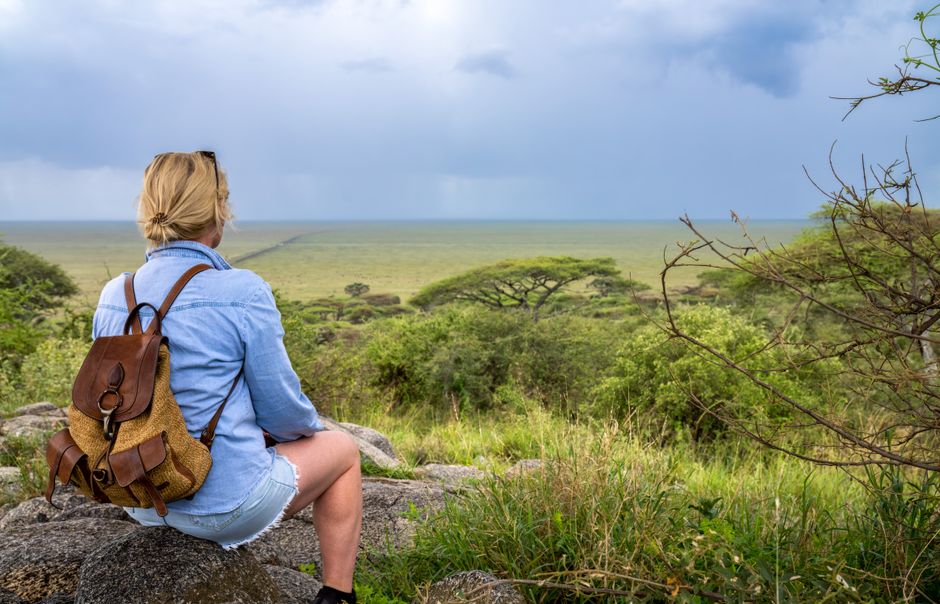
New Zealand weather changes in minutes. The Tongariro Alpine Crossing—considered one of the best day hikes in the world—has killed 11 people since 2000. Most deaths were from hypothermia or falls in poor visibility. The track is 19.4 km with an elevation gain of 1,000 meters. In summer, it can start at 15°C and drop to 2°C with wind chill at the summit.
Check the MetService app before every hike. The DOC website posts track alerts and closures. If the forecast says rain and wind above 40 km/h, reschedule. The mountain will be there tomorrow.
Carry these basics on any day hike: waterproof jacket, thermal layer, 1.5 liters of water, headlamp, and a power bank. Cell service is unreliable on most trails. A personal locator beacon (PLB) can be rented from DOC offices for $10-$15 per day. They work where phones don’t.
Mistake #5: Overpacking Gear You Don’t Need
Solo travelers carry everything themselves. That 65-liter backpack filled with “just in case” items becomes a 20-kg anchor on bus stairs, hostel bunks, and hiking trails. I’ve seen travelers abandon expensive gear at hostel donation bins because they couldn’t carry it anymore.
New Zealand has excellent outdoor gear shops—Kathmandu, Macpac, and Bivouac Outdoor in every city. You can buy a quality rain jacket for $150 if you need one. You don’t need to bring a sleeping bag, towel, or cooking gear if you’re staying in hostels. Most provide them.
Packing list for a 3-week solo trip:
- 3 shirts (merino wool dries fast and resists odor)
- 2 pairs of pants (one hiking, one casual)
- 1 fleece or mid-layer
- 1 waterproof jacket
- 5 pairs of socks and underwear
- 1 pair of sturdy walking shoes
- 1 pair of sandals or flip-flops
- Toiletries, sunscreen, insect repellent
- Phone charger and power bank (10,000 mAh minimum)
That’s it. Total weight: under 10 kg.
Mistake #6: Relying Only on Public Transport

InterCity buses connect major towns, but they don’t go everywhere. The bus from Christchurch to Franz Josef runs once daily. Miss it, and you’re stuck for 24 hours. The TranzAlpine train (KiwiRail) is scenic but costs $199 for a one-way ticket from Christchurch to Greymouth. It sells out days in advance in summer.
Solo travelers who rely solely on buses waste an average of 2-3 days per trip waiting for connections. That’s time you could spend hiking or exploring.
Ridesharing apps like Carpool NZ and Facebook groups (NZ Backpackers Rideshare) are active and safe for solo travelers. Always share your location with someone back home. Hitchhiking is common in NZ but not risk-free. Trust your gut—if the driver seems off, don’t get in.
The cheapest option for extended solo travel is a small rental car. A Toyota Corolla from Jucy costs about $35/day in low season. Split between two people (find a travel buddy at the hostel), it’s $17.50 each per day. That’s cheaper than bus passes and infinitely more flexible.
Mistake #7: Not Telling Anyone Your Itinerary
This is the safety mistake that worries search and rescue teams the most. Solo hikers who don’t leave a trip plan with someone back home create hours of delay if they go missing. The DOC’s Adventure Smart program recommends filing a trip intention form with a friend or family member. Include: where you’re going, which route, when you expect to return, and what gear you have.
The same applies to city travel. Tell someone your hostel name and rough plans each day. Check in every evening. It takes 30 seconds and could save your life.
If you’re hiking alone on a remote track, consider renting a personal locator beacon from DOC. They cost $10-$15 per day and work anywhere in NZ. Press the button, and rescue services get your exact GPS coordinates within minutes. No cell signal required.
Free apps like What3Words divide the world into 3-meter squares. If you get injured and can describe your location, emergency services can find you. Download it before you go.
Mistake #8: Forgetting to Budget for the Unexpected
New Zealand is expensive. A coffee costs $5.50. A basic hostel dorm is $45. A one-way ferry from Wellington to Picton is $55 for foot passengers. Solo travelers who budget tight have no buffer when things go wrong.
Common surprise costs:
- Last-minute accommodation because your bus was canceled: $80-$150
- Rental car damage excess: $2,000-$5,000 (unless you bought the waiver)
- Medical visit for a minor infection: $150-$300 (ACC doesn’t cover everything)
- Lost phone replacement: $800+
Build a $500 emergency fund into your budget. Keep it in a separate savings account or as cash in your hostel locker. If you don’t use it, you’ve got extra for a nice dinner or a helicopter tour at the end of your trip.
The math: a 3-week solo trip with a rental car, hostels, and moderate activities costs roughly $3,500-$4,500 including flights from North America or Europe. Add another $500 for insurance and emergencies. That’s the real number. Plan for it.
You landed in Auckland with a plan and a budget. You booked your insurance before departure. You checked the weather before hiking. You told your sister your itinerary. When that rental car got a small scratch from a gravel road, you had the excess coverage. When the bus didn’t show, you had the emergency fund for a last-minute rental. The trip went smoothly because you planned for what could go wrong. That’s the difference between a stressful solo trip and a great one.