You want to see the Northern Lights, hike the Grand Canyon, or snorkel the Great Barrier Reef. But you’ve heard stories: overbooked tours, surprise fees, weather cancellations, and trips that cost double what you expected. This guide gives you real numbers and honest advice for visiting the world’s top natural wonders in 2026.
Why Natural Wonders Trip Planning Fails Most People
The biggest mistake? Booking too early or too late. Many travelers reserve flights and hotels 6 months out, then discover the park requires a permit or the best viewing season is 2 months earlier.
Three things ruin most natural wonders trips:
- Permit systems — popular sites like The Wave in Arizona or Mount Whitney in California use lotteries. You can’t just show up.
- Weather windows — the Northern Lights need clear skies AND solar activity. Victoria Falls in October is a trickle; in May it’s a roar.
- Hidden costs — entry fees, guided tour requirements, parking, and equipment rentals add 30-50% to your budget.
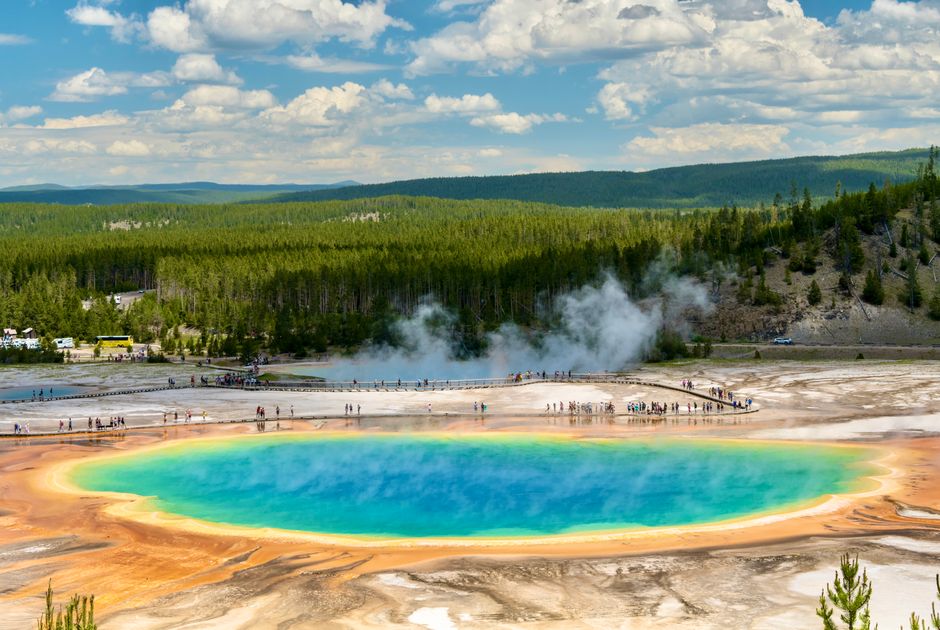
A 2026 survey by the National Park Service found 38% of first-time visitors to Yellowstone spent more than planned because they didn’t account for lodging inside the park being 3x more expensive than nearby towns. Plan for that gap.
Entry Fees and Permit Costs for Major Natural Wonders (2026)
Here’s what you’ll actually pay to enter 8 major natural wonders. Prices are in USD and assume a single adult visitor. Always check official websites — third-party resellers often mark up prices 200%.
| Natural Wonder | Entry Fee | Permit Required? | Best Time to Visit |
|---|---|---|---|
| Grand Canyon (South Rim) | $35 per vehicle (7 days) | No, but backcountry permits $10 | March-May or September-November |
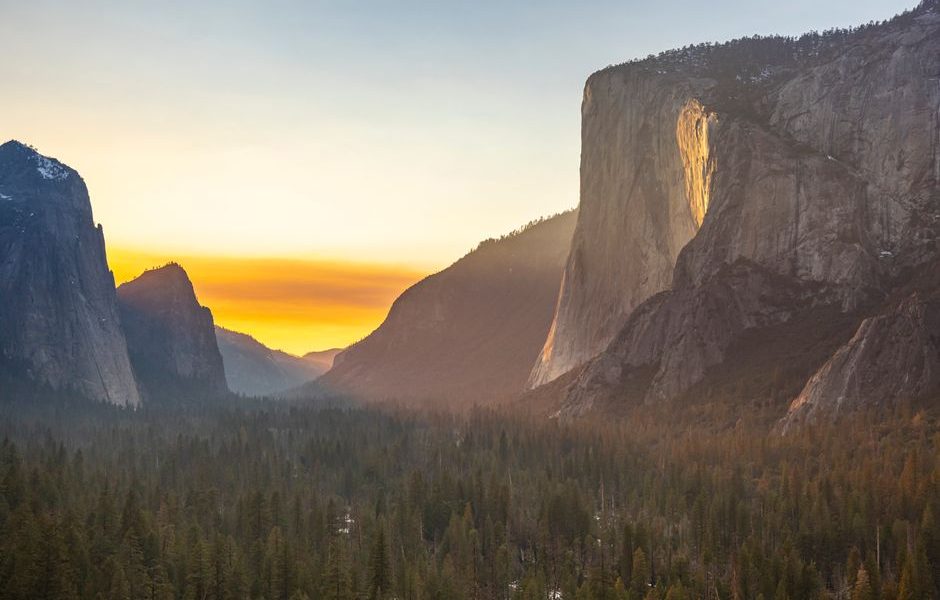
| Yellowstone National Park | $35 per vehicle (7 days) | No, but backcountry permits $3/person | April-May or September-October |
| Great Barrier Reef (Marine Park) | $0 entry, but tours $150-$300 | No, but commercial operators handle permits | June-October |
| Northern Lights (Fairbanks, Alaska) | $0 for viewing, tours $75-$200 | No | August 21-April 21 |
| Victoria Falls (Zimbabwe side) | $50 per person | No, but Zimbabwe visa $30-$75 | February-May (peak flow) |
| Banff National Park (Canada) | $10.50 CAD per person | No, but backcountry camping $9.80 CAD | June-August or December-March |
| The Wave (Arizona) | $7 permit fee + $5 per person | Yes — lottery only, 20 people/day | March-May or September-November |
| Iguazu Falls (Brazil side) | $22 per person | No | April-June or September-October |
Note that park passes like the America the Beautiful Pass ($80/year) cover all U.S. national parks. If you visit 3+ parks in a year, buy the pass. It pays for itself.
When NOT to Visit — and Why That Matters
Here’s a hard truth: visiting a natural wonder at the wrong time makes it a completely different experience. Not bad necessarily — but different from what you expected.
Victoria Falls in October is barely a trickle on the Zimbabwe side. The Zambian side almost dries up. You’ll see rock faces, not water. If you want the full force, go between February and May. The spray is so heavy you’ll need a raincoat even on sunny days.
The Northern Lights in summer in Iceland? Forget it. The sun barely sets in June. You need darkness. Fairbanks, Alaska gives better odds from September through March, with peak activity around the equinoxes.
The Great Barrier Reef in January brings stinger season (box jellyfish) and cyclone risk. Many tours cancel. June through October offers clearer water and fewer hazards.
One more thing: holiday crowds at U.S. national parks. July 4th week at Yellowstone means 2-hour lines at the entrance and no parking at Old Faithful. Go the week after Labor Day instead.
How to Budget for a Natural Wonders Trip
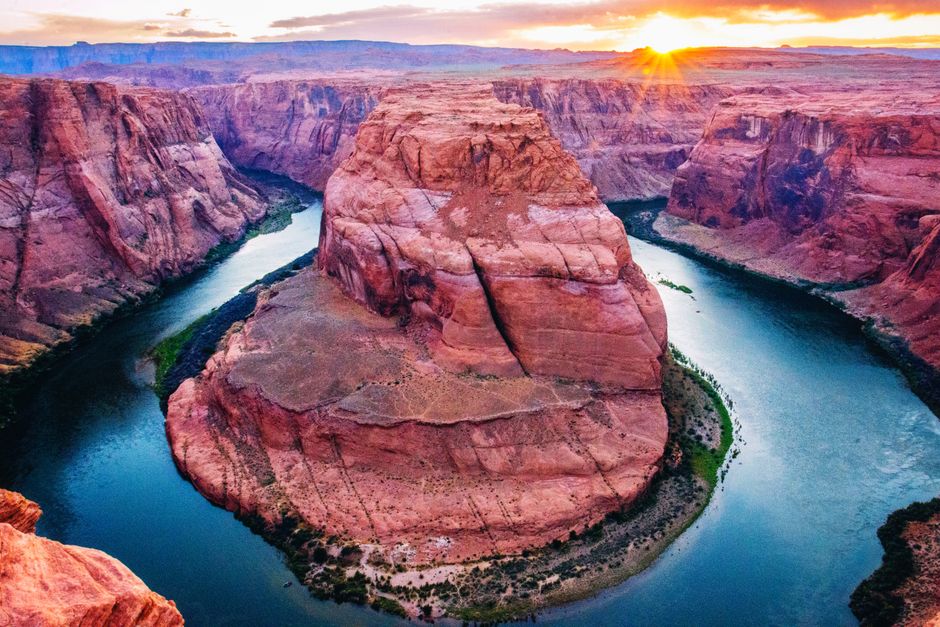
Most people underestimate three costs: transportation inside the park, gear rentals, and last-minute accommodation.
Here’s a realistic budget breakdown for a 5-day trip to a U.S. national park like Grand Canyon or Yellowstone:
- Flights (round trip, domestic): $300-$600
- Car rental (5 days): $250-$450
- Lodging (mid-range hotel or cabin, 5 nights): $800-$1,500
- Park entry: $35 (or $80 if buying annual pass)
- Food (groceries + 3 restaurant meals): $200-$400
- Gear rental (hiking poles, bear spray, etc.): $50-$100
- Guided tour (optional): $100-$300 per person
Total estimated: $1,735 to $3,385 per person. Travel insurance adds $50-$150 depending on coverage. For international trips like Victoria Falls or the Great Barrier Reef, add 30-50% for flights and visas.
If you’re flying internationally, check your credit card’s travel insurance before buying a separate policy. Many cards cover trip cancellation and lost luggage. But medical evacuation — critical for remote parks — is usually not included. A standalone policy from World Nomads or Allianz covers that gap for about $100-$200 per trip.
Gear You Actually Need (and What You Can Skip)
Outdoor retailers want you to buy everything. You don’t need it.
Must-have for any natural wonder trip:
- Sturdy hiking shoes or boots — not fashion sneakers. A pair of Merrell Moab 3 or KEEN Targhee III costs $120-$160. They’ll last years.
- Daypack (20-30 liters) — Osprey Daylite or Deuter Speed Lite. $70-$100. Light enough for a full day hike.
- Water bottle or hydration bladder — 2 liters minimum. Nalgene ($15) or CamelBak ($30-$50).
- Rain jacket — even in deserts, afternoon storms happen. Columbia Watertight II ($60) or Patagonia Torrentshell ($160).
- Sunscreen and hat — the sun at altitude burns faster. SPF 50, reapply every 2 hours.
What you can skip:
- Expensive hiking poles — $15 aluminum poles from Cascade Mountain Tech work fine. Save the $150 carbon fiber for later.
- Satellite communicator — unless you’re hiking alone in Alaska or the Grand Canyon backcountry. For crowded trails, your phone works.
- Camping stove — if you’re staying in lodges, you don’t need one.
One thing not to cheap out on: a good pair of binoculars. For wildlife viewing or stargazing at natural wonders, cheap $20 binoculars give blurry images. Nikon Monarch M5 8×42 ($300) or Vortex Diamondback HD 10×42 ($250) are worth the money. They last a decade.
What Travel Insurance Covers (and Doesn’t) for Natural Wonders
This is where most people get confused. Travel insurance for a city trip is different from insurance for a natural wonders trip.
Standard travel insurance covers:
- Trip cancellation or interruption (illness, death in family, natural disaster)
- Lost or delayed baggage
- Medical emergencies and evacuation
- Flight delays
What it typically excludes:
- Adventure sports — if you plan to scuba dive, rock climb, or backcountry ski, you need a “high-risk activities” add-on. Standard policies exclude these.
- Pre-existing medical conditions — unless you buy a “pre-existing condition waiver” within 14 days of making your first trip deposit.
- Acts of government — if a park closes due to a government shutdown, you’re not covered.
- Weather-related cancellations — only covered if the airline or tour operator cancels first. If you decide not to go because of a forecast, that’s on you.
For the Great Barrier Reef, check that your policy covers hyperbaric chamber treatment in case of decompression sickness. Not all do. The treatment costs $10,000-$50,000 in Australia without insurance.
For remote parks like Alaska’s Denali or Chile’s Torres del Paine, medical evacuation coverage is essential. A helicopter rescue from a backcountry trail can cost $15,000-$50,000. Most standard policies cap evacuation at $100,000 — that’s usually enough. But read the fine print on the per-incident limit.
J.D. Power’s 2026 travel insurance satisfaction study ranked World Nomads and Allianz Global Assistance highest for claims processing speed. AM Best gives both an A (Excellent) financial strength rating. Get quotes from at least 3 providers before buying.
Your Action Plan for a Stress-Free Natural Wonders Trip
Here’s the short version of what to do right now:
- Pick one natural wonder. Not three. Not five. One. Trying to see the Grand Canyon, Yellowstone, and Yosemite in 7 days is a disaster. You’ll spend more time driving than looking at rocks.
- Check permit and entry requirements immediately. For The Wave, apply 4 months in advance. For Mount Whitney, the lottery opens February 1. For Machu Picchu, book tickets 3 months out. Set a calendar reminder.
- Book refundable flights and hotels. Weather changes. Wildfires close parks. A refundable booking costs $50-$100 more but saves you $1,000 if you cancel.
- Buy travel insurance within 14 days of your first deposit. This ensures pre-existing condition coverage. Use a comparison site like Squaremouth to see policies side-by-side.
- Pack light but right. Good shoes, a rain jacket, a daypack, and binoculars. Leave the fancy camera gear at home unless you’re a professional. Your phone camera is good enough for most shots.
For a first-timer visiting a U.S. national park, the Grand Canyon South Rim in May is the safest bet. Easy access, moderate weather, no permit lottery, and enough trails for all fitness levels. Budget $2,000 per person for 5 days including flights and lodging. Buy the America the Beautiful Pass if you plan a second park visit within 12 months.
For international natural wonders, start with Banff National Park in Canada. English-speaking, excellent infrastructure, and your U.S. dollar goes further. Entry is $10.50 CAD. The Icefields Parkway is one of the most scenic drives on Earth. Go in September for fewer crowds and golden larch trees.