You booked the flight to Kathmandu. You told your friends you’re doing a Himalayan trek. Now you’re staring at a packing list from 2019 and a permit website that won’t load. The gap between wanting to trek and actually being ready is where most beginners fail. Not on the mountain. In the planning.
This guide fixes that. No fluff about “finding yourself.” Just the gear that works, the permits that cost real money, and the safety rules that keep you walking instead of getting helicoptered out.
Permits and Paperwork: What You Actually Pay For
Nepal runs on permits. India runs on permits. Bhutan runs on a daily fee that makes your credit card sweat. If you don’t sort this before you land, you’ll waste a day in Kathmandu or Leh standing in government offices.
Nepal: TIMS, National Park, and Municipal Fees
For the Annapurna region, you need three things. The TIMS card costs NPR 2,000 (about $15) for foreign trekkers. The Annapurna Conservation Area Permit (ACAP) costs NPR 3,000 (about $23). Some village development committees along the route charge another NPR 1,000-2,000 total. You can get TIMS and ACAP at the Nepal Tourism Board office in Kathmandu in under an hour. Bring passport photos and cash. Card payments sometimes work. Sometimes the machine is “broken.” Bring rupees.
For Everest Base Camp, swap ACAP for the Sagarmatha National Park permit at NPR 3,000 plus a Khumbu Pasang Lhamu Rural Municipality fee of NPR 2,000. Total for EBC paperwork: about $45. Not bad for a two-week trek.
India: Inner Line Permits and Protected Areas
Himachal Pradesh and Uttarakhand treks often cross into protected zones. The Hampta Pass trek in Himachal requires no special permit beyond standard forest entry fees (INR 200-500 per person per day). But treks in Ladakh — like Markha Valley — require an Inner Line Permit for foreign nationals. That costs about $20 and takes a day in Leh. Indian citizens don’t need it. Don’t skip this. Checkpoints are real, and the fine is not worth it.
Bhutan: The Expensive Exception
Bhutan charges a Sustainable Development Fee of $100 per day for most tourists. That’s on top of guide fees and accommodation. A 5-day trek costs $1,500+ before gear. If you’re on a budget, skip Bhutan. Go to Nepal or India.
Gear That Doesn’t Fail You at 4,500 Meters
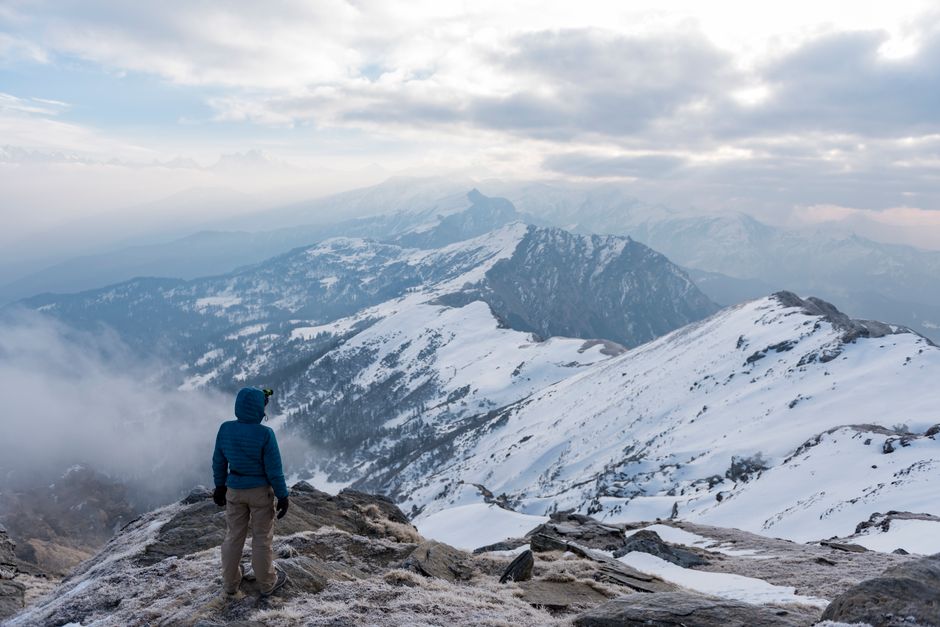
Most beginners overpack clothes and underpack the things that matter. Here’s the short list that actually prevents misery.
| Item | Specific Product Example | Price Range | Why It Matters |
|---|---|---|---|
| Boots | Salomon Quest 4 GTX or La Sportiva Ultra Raptor II Mid | $180-$250 | Ankle support on rocky descents. Break them in for 3 weeks before flying. |
| Down jacket | Rab Neutrino Pro or Montbell Alpine Down Parka | $250-$400 | Mornings at 4,000m are below freezing even in October. |
| Sleeping bag | Therm-a-Rest Questar 0F or NEMO Disco 15 | $300-$450 | Teahouse blankets are thin and shared. A 0°F bag saves your nights. |
| Water purification | Grayl GeoPress or Sawyer Squeeze | $40-$100 | Boiled water costs $2-4 per liter at teahouses. Purify stream water instead. |
| Trekking poles | Black Diamond Trail Ergo Cork | $100-$140 | Your knees will thank you on 1,000m descent days. |
Renting is fine too. Kathmandu’s Thamel district rents down jackets for $2/day and sleeping bags for $3/day. Quality varies. Check the zipper and the loft before you pay. If the down is flat, it won’t insulate.
Skip the fancy stuff. You don’t need a satellite messenger unless you’re going solo or off-season. You don’t need 4 pairs of pants. Two pairs — one hiking, one for evenings — is enough.
The Altitude Problem Nobody Takes Seriously Enough
Acute Mountain Sickness (AMS) is not a personality flaw. It’s physics. At 4,000 meters, there’s about 40% less oxygen. Your body needs time to adapt. Most beginners don’t give it that time.
How to Actually Acclimatize
The rule is simple: above 3,000 meters, don’t sleep more than 500 meters higher than the previous night. Every 3-4 days, take a rest day. Drink 3-4 liters of water daily. Diamox (acetazolamide) at 125mg twice daily can help, but it’s not a free pass to ascend faster. It makes you pee more. It can make your fingers tingle. It’s not for everyone.
The Everest Base Camp trek has a built-in acclimatization day at Namche Bazaar (3,440m). Use it. Go for a short hike to the Everest View Hotel. Sleep low. The Annapurna Base Camp trek has similar stops. If you feel a headache that won’t go away, nausea, or dizziness, descend. Not “wait and see.” Descend 500 meters. Most AMS deaths happen because people kept going.
When to Turn Around
If you can’t walk a straight line heel-to-toe, you have ataxia. That’s severe AMS. Descend immediately with help. If someone in your group is confused or unusually sleepy, that’s HACE. Descend now. Not in the morning. Now. Helicopter evacuations cost $3,000-$5,000 and your travel insurance must cover high-altitude trekking. Read the fine print. Many standard policies cap coverage at 3,000 meters. Get a policy that explicitly covers trekking up to 5,500 meters.
Choosing a Route: The Three Beginner-Friendly Options
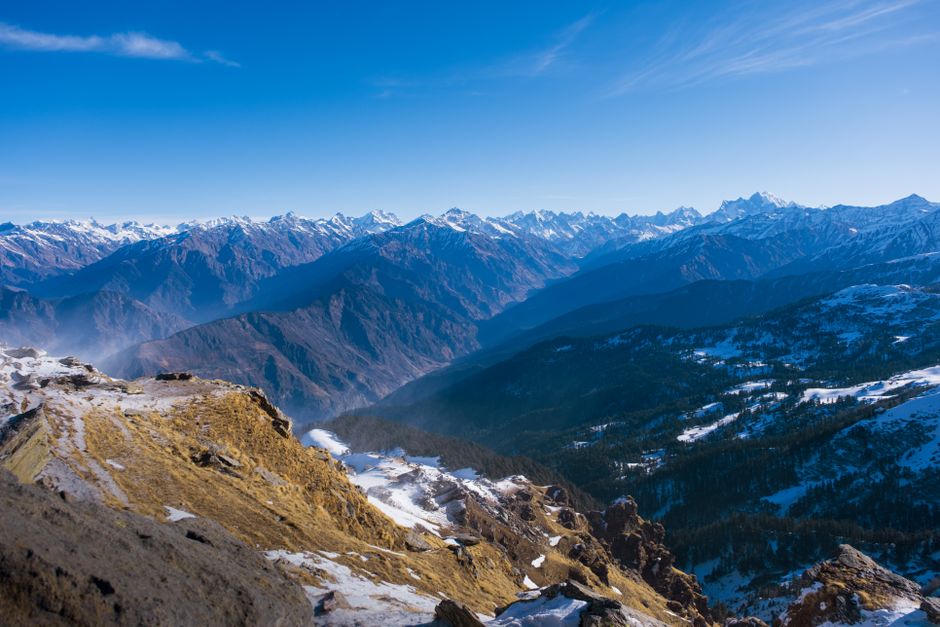
Not every Himalayan trek is for beginners. Some routes — like the Three Passes or Kangchenjunga — will break you if you don’t know what you’re doing. Start with these instead.
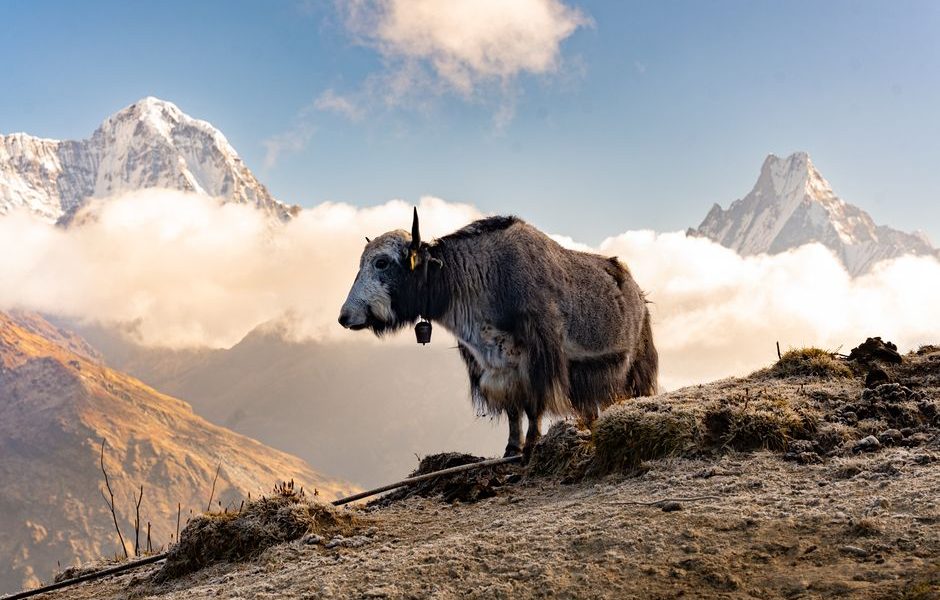
- Poon Hill (Nepal, 4-5 days): Max altitude 3,210m. Teahouses every 2-3 hours. Costs about $25-35/day all-in. The sunrise view of Dhaulagiri and Annapurna is the payoff. Best first Himalayan trek. Period.
- Annapurna Base Camp (Nepal, 7-10 days): Max altitude 4,130m. More commitment, more altitude, but the trail is well-marked and teahouses are everywhere. Budget $30-40/day.
- Hampta Pass (India, 4-5 days): Max altitude 4,270m. Requires camping, not teahouses. You’ll need a guide or trekking company. Costs INR 8,000-12,000 ($100-$150) for a group trip from Manali. The pass crossing day is long but not technical.
Skip Everest Base Camp for your first trek. Not because it’s hard — the walking is moderate. But it’s 12+ days at altitude with no easy exit. If AMS hits at Lobuche, you’re two days from the nearest road. Build experience first.
Food, Water, and the Money Question
Teahouse treks in Nepal run on a simple system. You sleep cheap (NPR 500-1,500 per night, about $4-12) and eat expensive. A plate of dal bhat costs NPR 600-900 ($5-7). A pot of tea costs NPR 300-500. Budget $25-35/day on the Annapurna circuit. Everest region is slightly pricier — $35-45/day.
Carry cash. ATMs in Lukla and Jomsom exist but run out of money. Break large bills in Kathmandu. Nobody on the trail can change a NPR 5,000 note.
Water: never drink from streams without purification. Giardia is real and will end your trek faster than altitude. The Grayl GeoPress ($100) filters and purifies in one press. The Sawyer Squeeze ($40) is lighter but slower. Boiled water at teahouses is safe but costs money and uses fuel. Purify your own.
You booked the flight. Now you have the permit costs, the gear list, the altitude rules, and the route options. The only thing left is to train — walk 5-8 miles with a loaded pack twice a week for a month before you go. The mountain will still be there. Your unprepared body will not.